
Walmart Connect grew 36% without VIZIO and Vibe. The filing still skips the dollars.
U.S. advertising including those TV businesses grew 37%. Global ads rose 25%. Walmart still will not print a quarterly Connect total, and some of the spend never shows up as revenue.
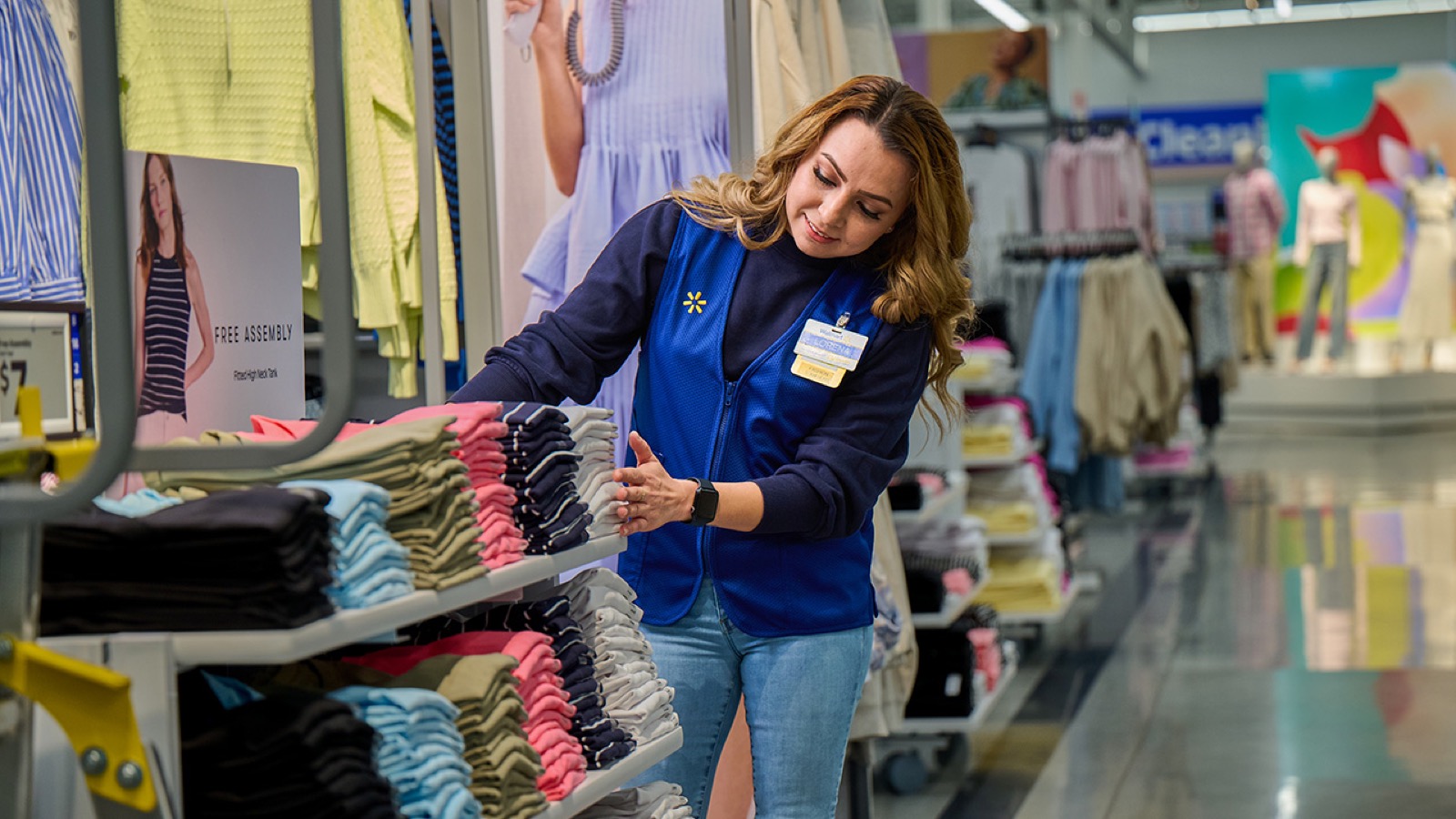
Walmart said this week that Walmart Connect, its U.S. advertising business, grew 36% in the third quarter of fiscal 2027. The same November 19 release puts overall Walmart U.S. advertising up 37%, and it says that wider print includes VIZIO and Vibe, the connected-TV businesses Walmart bought to widen where brands can run ads. The 36% Connect figure excludes both. Global advertising, including those units, rose 25%. Nowhere in the quarterly package does Walmart print a dollar total for Connect, or for U.S. advertising, for the three months ended October 31.
That pattern is familiar. Walmart treats “advertising business” as an operational metric. Growth rates show up every quarter. A rough global dollar figure tends to show up once a year: for fiscal 2026, the company said global advertising grew 46% to nearly $6.4 billion, including VIZIO. Until the next full-year print, anyone tracking Connect is mostly tracking percentages, carve-outs, and what management says on the call about mix.
What Thursday’s release printed for advertising
Figures are year-over-year growth rates from Walmart’s November 19, 2026 third-quarter fiscal 2027 earnings release, unless noted. The company did not disclose a quarterly dollar total for Walmart Connect or for U.S. advertising.
| Metric | What Walmart reported | What’s in the number |
|---|---|---|
| Walmart Connect | +36% | Excludes VIZIO and Vibe |
| Walmart U.S. advertising | +37% | Includes VIZIO and Vibe |
| Global advertising | +25% | Includes VIZIO and Vibe; International advertising down 15% on Flipkart Big Billion Days timing |
| Quarterly Connect / ad dollars | Not disclosed | Growth rates only in the quarterly release |
| FY2026 global advertising (prior year) | Nearly $6.4 billion, up 46% | Annual figure from the February 2026 Q4 release, including VIZIO |
| Where ad money lands on the P&L | Net sales or lower cost of sales | Depends on whether the arrangement is treated as a distinct advertising service |
VIZIO and Vibe are why the carve-out matters. Walmart closed its roughly $2.3 billion cash purchase of VIZIO, the smart-TV maker behind the SmartCast operating system, in December 2024. It agreed in June 2026 to buy Vibe.co, a self-serve connected-TV advertising platform aimed at smaller and mid-market advertisers, and closed that deal on August 4. The Wall Street Journal reported the Vibe price at about $1.4 billion. On the earnings call, Chief Growth Officer Seth Dallaire said VIZIO-powered TV unit volume was up nearly 150% year over year, and that Vibe had only recently been folded into the broader connected-TV offer. Earlier Connect prints often said “ex-VIZIO.” This quarter’s wording is “ex-VIZIO and Vibe.” The 36% is meant to show the older retail-media engine without those TV pieces. The 37% is the U.S. ad stack with them in.
Then there is where the money lands on the income statement. Walmart’s recurring footnote says advertising is recorded either in net sales or as a reduction to cost of sales, depending on the arrangement. Some brand spend shows up as revenue. Some of it lowers the cost of the goods Walmart sells, which lifts gross margin without growing the top line. Membership and other income, the second revenue line under total revenues, is mostly membership fees plus items such as rental and gift-card breakage. It is not where the company parks Connect. You cannot back into advertising dollars from membership income, and you cannot treat every advertising dollar as a clean sales line the way Amazon reports advertising services.
Margins still leave a trail. Walmart U.S. gross profit rate rose 50 basis points to 28.1% in the quarter. The earnings presentation said that move reflected improved business mix, primarily from growth of digital advertising, plus merchandise-category mix from lower pharmacy sales. Companywide gross profit rate was up 28 basis points. On the call, CFO John David Rainey said advertising and membership are shifting the P&L toward more gross profit, and that the same mix can pressure operating expenses. He also said he was hesitant to call a 50-basis-point gross-profit expansion the new run rate. Ads are helping the mix. Investors still do not get a clean quarterly Connect revenue or margin line.
Global growth looked softer than the U.S. print because India moved on the calendar. Flipkart’s Big Billion Days event shifted timing, so International eCommerce fell 2% and International advertising fell 15% in the quarter, with a corresponding benefit expected in the fourth quarter. A 37% U.S. advertising print and a 25% global print can sit in the same release for that reason. Inside the U.S., management also tied Connect demand to marketplace expansion: Walmart U.S. marketplace sales rose about 49%, and more third-party sellers tend to buy the ads that sit next to their listings.
If Walmart stock or a broad fund that owns it sits in a 401(k), Connect helps explain why the company keeps talking about operating income growing faster than sales, even while the dollar size of that ad engine stays mostly annual and partial. Map concentration with Taxable Investing Basics for First-Gen Professionals and RSU Vest Day Playbook for Diaspora Households. If you sell into Walmart or Walmart Marketplace, Connect is also a cost line: sponsored search and display can move a chili crisp or a noodles pack off the shelf, and that spend is the other side of the growth rate Walmart is celebrating. Cash Flow for Ecommerce, Import, and Wholesale Diaspora Businesses is the tighter budget frame for that side of the aisle.
What Thursday’s filing gives you is a 36% Connect rate with VIZIO and Vibe removed, a 37% U.S. advertising rate with them included, a 25% global rate weighed down by Flipkart’s calendar, and a reminder that some of the money never lands in revenue. What it withholds is this quarter’s Connect dollars. Until the next annual advertising total, the story stays a high-margin mix told mostly in percentages and footnotes.
Related content
Further diaspora reading
- Chili crisp hit 12,000 U.S. stores. A reset can still pull the jar. (Generational)
- Taxable Investing Basics for First-Gen Professionals (Generational)
- Cash Flow for Ecommerce, Import, and Wholesale Diaspora Businesses (Generational)
- Career Traps and Proactive Solutions (Goldsea)
- Is the Asian Canadian Dream Surpassing the Asian American Dream? (Goldsea)
Generational Take
Get the next Generational Take
Get our latest practical tips and takes in your inbox. No spam.