
Three OpenAI alumni built Applied Compute. Why is Palo Alto Networks buying it?
The startup helps companies train and run models they own. Palo Alto already sells to the CIOs who approve those deployments. Management’s forecast: more than $1 billion in annual recurring revenue by fiscal 2029.
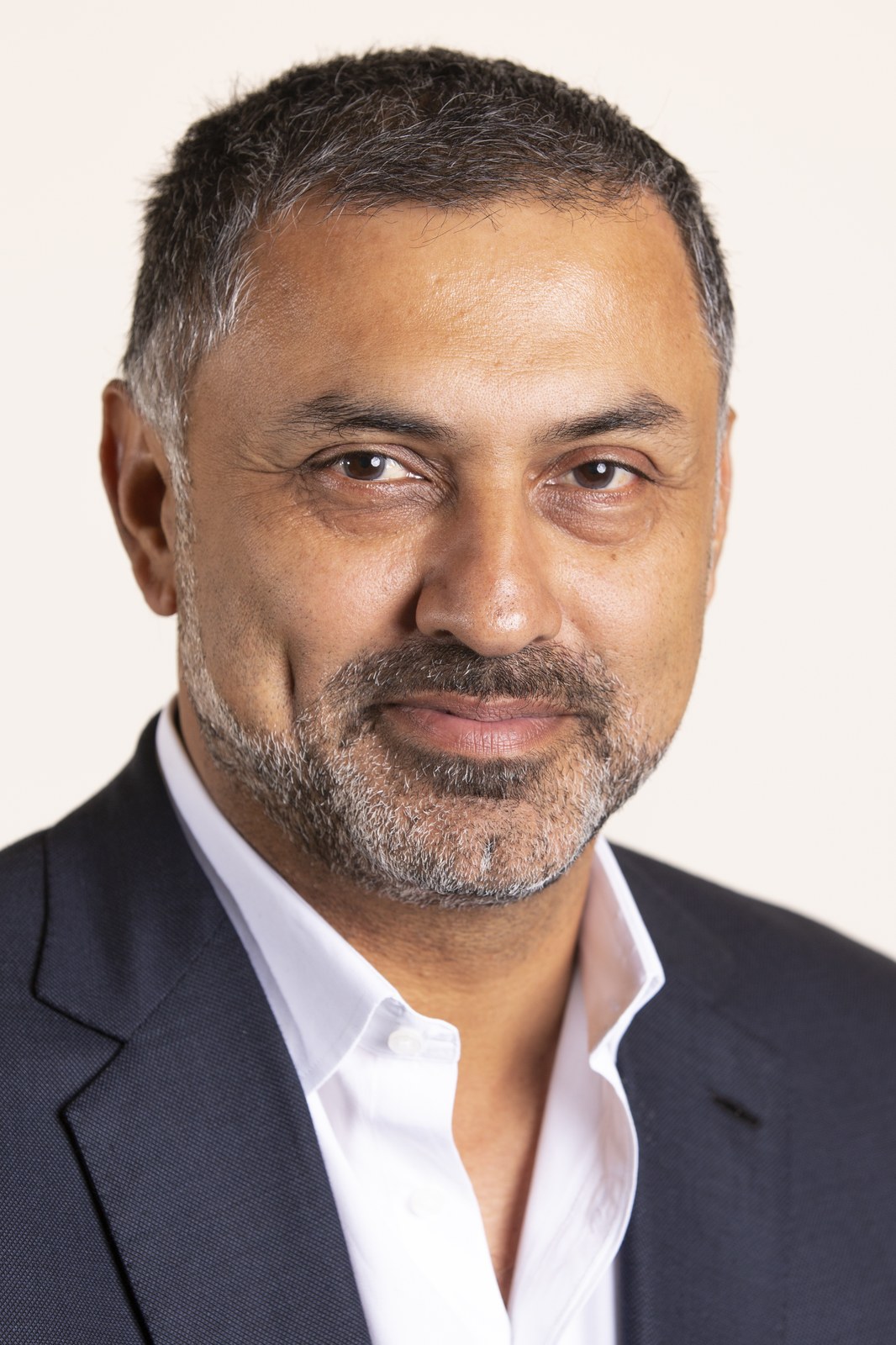
Palo Alto Networks agreed this week to buy Applied Compute, the San Francisco startup founded by former OpenAI researchers Yash Patil, Rhythm Garg, and Linden Li, in an all-stock deal valued at $4.5 billion, subject to adjustments. Patil, Applied Compute’s co-founder and chief executive, is set to become Palo Alto’s co-chief AI officer after closing. On the company’s fiscal first-quarter 2027 earnings call, management said it expects Applied Compute to add more than $1 billion in annual recurring revenue to its Next-Generation Security ARR by fiscal 2029. Treat that as a forecast for the combined company after closing, not what Applied Compute bills today.
What the startup builds is technical. Why Palo Alto wants it is more about who gets the meeting. Applied Compute helps companies post-train and run open-weight models: parameters you can download, adapt on your own data, and serve in production. Palo Alto Networks already sells cybersecurity platforms to more than 70,000 customers, including the chief information officers and security buyers who have to sign off on those deployments. Nikesh Arora, Palo Alto’s chairman and chief executive, cast the deal as pairing Applied Compute’s platform with “the trust we have earned with CIOs worldwide.” The question underneath: who already has permission to sell AI into a big company?
Deal terms next to the ARR forecast
Figures come from Palo Alto Networks’ November 18, 2026 press release and fiscal first-quarter 2027 earnings materials. The $1 billion line is management’s forecast for incremental Next-Generation Security ARR by fiscal 2029 after closing, not Applied Compute’s current run rate.
| Item | Detail |
|---|---|
| Consideration | $4.5 billion all-stock, subject to adjustments |
| Included on the target’s balance sheet | About $500 million of cash and prepaid compute commitments |
| Expected close | Palo Alto fiscal third quarter 2027, subject to regulatory clearance |
| Applied Compute annualized revenue cited | About $100 million within 18 months of founding |
| Management ARR forecast | More than $1 billion of incremental NGS ARR by fiscal 2029 |
| Patil’s role after close | Co-chief AI officer at Palo Alto Networks |
| What Applied Compute sells | Post-training and inference for open-weight models companies adapt and run |
Source: Palo Alto Networks press release and Q1 FY2027 earnings presentation, November 18, 2026
Patil, Garg, and Li came at that problem from different desks at OpenAI before leaving in 2025. Patil worked on the agentic software-engineering effort that became Codex. Garg was a core contributor on o1, OpenAI’s first major reasoning model, and on high-compute reinforcement-learning work. Li worked on ML systems and high-throughput inference for the big training runs behind reasoning models. When they launched Applied Compute, the bet was that companies would want specialized models they own, not only general chatbots rented through an API. Open-weight models make that path easier on paper. They also dump more security, monitoring, and compliance work onto the buyer. That is a gap a security vendor can sell into.
Applied Compute’s AC2 platform is built for that cycle: take a strong base model, train it against a company’s own evaluations and data, serve it in the same harness used in training, then feed production traces back into the next round. The company has said customers keep the weights. Early public customers named in company and press coverage include DoorDash, Cognition, and Mercor; later fundraising coverage also named Nvidia and Microsoft among backers or customers. Palo Alto’s earnings materials say Applied Compute reached about $100 million in annualized revenue within 18 months of founding, with roughly 70 U.S.-based employees. Weeks before the deal, it had been raising at a $3.25 billion valuation. The agreed purchase price is $4.5 billion in stock and includes about $500 million of cash and prepaid compute commitments at the target.
Arora told investors Palo Alto wants to help enterprises train and serve secure, including sovereign, implementations of open-weight models, and to put Applied Compute’s researchers into Palo Alto’s own security products. The company said it is already training more than 35 specialized models for its platforms. To support customer inference, management sketched more than 100 megawatts of diversified global capacity over three to five years, with cumulative capital spending under $3 billion from fiscal 2027 through 2030. Those are ambitions on a slide. The sharper claim is the ARR target: more than $1 billion of incremental Next-Generation Security ARR by fiscal 2029 if the CIO channel does what management expects.
The deal still has to clear. Closing is expected in Palo Alto’s fiscal third quarter of 2027, subject to regulatory approval and other customary conditions. Until then, Applied Compute keeps serving its own customers, and Palo Alto keeps selling security. For diaspora professionals watching the ladder, there is also a people story here. Patil is an Indian-origin founder moving from OpenAI researcher to startup CEO to a co-chief AI officer seat at a major public cybersecurity company run by Arora, himself an Indian-American SoftBank and Google alumnus. Garg and Li round out a Stanford-to-OpenAI-to-exit path that many first-gen families recognize even when the product is obscure. If Palo Alto RSUs or similar cybersecurity names already sit next to your paycheck, map concentration with RSU Vest Day Playbook for Diaspora Households. For the career math of moving from a research seat to an operator seat, see Salary Benchmarks and Market Data for First-Gen Negotiations and Bamboo Ceiling Navigation for Asian Diaspora Professionals.
Under the press language, this is a distribution deal. Applied Compute built a way for companies to train and run models they control. Palo Alto already has the meetings where those projects get funded or blocked. Management’s $1 billion ARR forecast by fiscal 2029 is the claim that those meetings can turn a young model-training business into a much larger line on a security company’s books. Until the deal closes and the revenue shows up, keep that figure on the forecast side of the ledger.
Related content
Further diaspora reading
- Asian-Owned Employer Firms Face a Wider Financing Gap in the Fed’s Small Business Credit Survey (Generational)
- Bamboo Ceiling Navigation for Asian Diaspora Professionals (Generational)
- RSU Vest Day Playbook for Diaspora Households (Generational)
- Career Traps and Proactive Solutions (Goldsea)
- Is the Asian Canadian Dream Surpassing the Asian American Dream? (Goldsea)
Generational Take
Get the next Generational Take
Get our latest practical tips and takes in your inbox. No spam.