
The new I bond rate is 5.51%. When can your family actually touch the cash?
November’s reset looks strong next to many savings accounts. Sort the same cash into three jobs, including a parent-care reserve you might need fast, then check the 12-month lock and the three-month early-redemption cost.
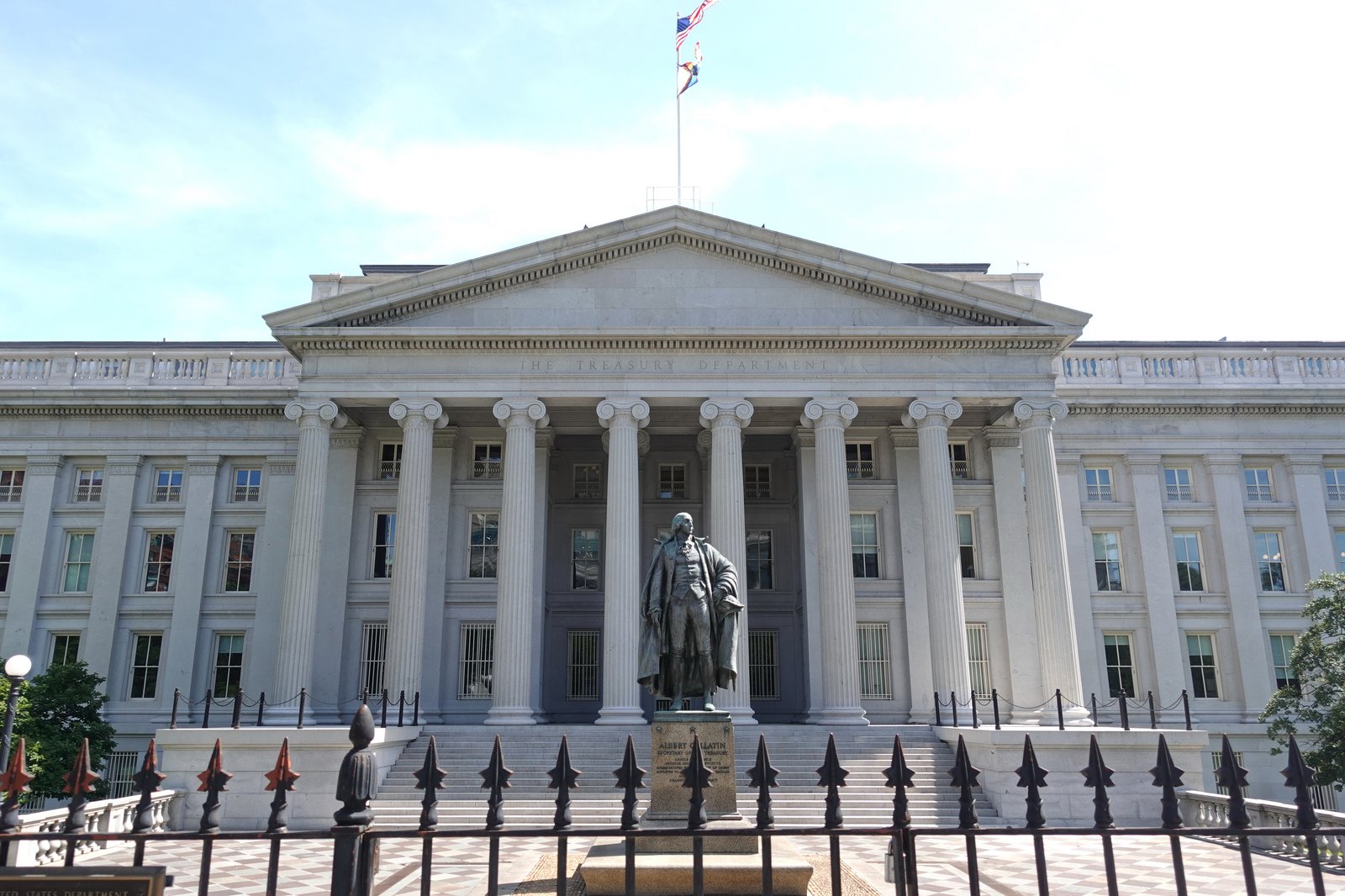
Series I savings bonds issued from November 1, 2026, through April 30, 2027, start at a 5.51% composite annual rate, according to TreasuryDirect. That is up from 4.26% for bonds issued in the prior six months. The new package includes a 1.40% fixed rate, the highest since late 2006, and a 2.04% semiannual inflation rate. The number looks good in a text thread. The household question is blunter: if a parent needed a home-care deposit next month, when could you spend this money?
An I bond’s rate has two parts on two timelines. The fixed rate is set when you buy and never changes for that bond. The inflation rate resets every May 1 and November 1 from the non-seasonally adjusted Consumer Price Index for All Urban Consumers, and the composite rate moves with it. Treasury announces those pieces twice a year, but your bond’s earnings rate flips every six months from its issue month. Buy in November and the next changes land on May 1 and November 1. Interest accrues monthly and compounds twice a year, when prior interest is added to principal. You do not get a monthly deposit into checking. The cash shows up when you redeem.
Three jobs for the same cash after the November reset
Series I bonds issued from November 1, 2026, through April 30, 2027, start at a 5.51% composite annual rate. Use the same dollar amount for each job. Rate first, then ask when you can spend the money.
| Cash job | When you might need it | Fit for a new I bond? | What “touch the money” means |
|---|---|---|---|
| Parent-care or emergency reserve that could hit this year | Days to a few weeks | Skip | Keep it in a liquid savings account. You cannot redeem an I bond for 12 months. |
| Cash you can leave parked for 1 to 5 years | After month 12; maybe earlier than year 5 | Maybe | Redeem after 12 months. Before five years, you lose the last three months of interest. |
| Cash you can leave for 5+ years | Year 5 and beyond | Yes | Redeem anytime after five years with no interest penalty. Keep the 1.40% fixed rate for the life of the bond. |
November rate parts, lockup, and an early-exit cost sketch
The composite rate is an annual rate that applies for six months, then resets with inflation. The fixed rate on a bond you buy now stays for the life of that bond. Purchase limit is $10,000 of electronic I bonds per Social Security number per calendar year.
| Piece | Figure |
|---|---|
| Composite rate (new issues Nov. 2026–Apr. 2027) | 5.51% |
| Fixed rate (life of the bond) | 1.40% |
| Semiannual inflation rate (this reset) | 2.04% |
| Prior composite (May–Oct. 2026 issues) | 4.26% |
| Earliest redemption | 12 months after issue |
| Penalty if redeemed before 5 years | Last 3 months of interest |
| Rough 3-month interest on $10,000 at 5.51% | About $138 (illustrative; actual depends on the rates in those months) |
| TreasuryDirect example if cashed at 18 months | You keep the first 15 months of interest |
Source: TreasuryDirect I bonds interest rates and I bonds overview; eCFR 31 CFR 359.6–359.7
The lockup decides which cash belongs in the bond. You cannot redeem for 12 months after issue. If you redeem before five years, you forfeit the last three months of interest, though the value will not fall below what you paid. After five years, that interest cost goes away. Treasury’s own example: cash at 18 months and you keep the first 15 months of interest. On a $10,000 purchase, three months of interest at a 5.51% annual composite is roughly $138 if that rate held for those months. The real figure depends on the rates that actually applied. Once you redeem in TreasuryDirect, the linked U.S. bank account is generally credited within about one business day of the redemption date on the summary. That is still not same-day cash for a hospital bill.
Give the same cash three different jobs. First: a parent-care or emergency reserve you might need this year, a flight home, a month of paid help, a facility deposit. That money has to move in days. Park it in a high-yield savings account you can wire from, even if the APY sits closer to the mid-4% range many no-strings accounts advertise this month, or lower at a big bank.
Second: cash you can leave alone for one to five years, a planned renovation buffer, a known tuition year, a care fund you do not expect to tap before next winter. An I bond can hold that slice once a liquid buffer sits elsewhere, as long as you accept the three-month interest cost if life forces an earlier exit. Third: cash you can leave for five years or more. That is where the November fixed rate of 1.40% plus ongoing inflation resets do the most work, because you can redeem without the early-interest penalty.
One Social Security number can buy up to $10,000 of electronic I bonds in a calendar year. New I bonds are electronic only through TreasuryDirect. Interest is exempt from state and local income tax, and federal tax can wait until you redeem, unless you choose to report it yearly. Education tax breaks may apply if you meet the rules later. None of that helps if the money is locked while a sibling asks for a same-week wire for a parent’s care.
If you already own older I bonds, the November inflation rate of 2.04% feeds into their next six-month earnings period on their own issue-month schedule. Their fixed rates stay whatever they locked at purchase. A bond bought in May 2026 still carries a 0.90% fixed rate even while new issues advertise 1.40%. Check TreasuryDirect for the composite on each holding before you treat every I bond as earning 5.51%.
Split the pile before you chase the rate. Size the liquid parent-care line with Parent Care Cost Benchmarks for Diaspora Adult Children and the Parent Care Cost Planner. Keep the everyday emergency floor in Emergency Fund Benchmarks When Family Depends on You and How to Build an Emergency Fund When Your Family Depends on You. If paid help is already on the table, Hiring Home Care for Aging Immigrant Parents: Basics keeps the care calendar separate from the bond calendar. Caregiving that already pulls from retirement accounts belongs next to Caregiving Households Were More Than Twice as Likely to Tap Retirement Savings..
The 5.51% rate is real for new purchases through April 30, 2027. So are the 12-month lock and the three-month early-redemption cost. Put the cash that might be needed quickly where you can touch it. Put the cash that can wait into the bond that matches that wait.
This is educational reporting on U.S. Treasury savings-bond rules, not investment, tax, or care advice. Confirm rates, limits, and your own redemption timing on TreasuryDirect before you buy or cash a bond.
Related content
Further diaspora reading
- Emergency Fund Benchmarks When Family Depends on You (Generational)
- Parent Care Cost Benchmarks for Diaspora Adult Children (Generational)
- Caregiving Households Were More Than Twice as Likely to Tap Retirement Savings. (Generational)
- Hiring Home Care for Aging Immigrant Parents: Basics (Generational)
- What’s Behind Asian American Longevity (Goldsea)
Generational Take
Get the next Generational Take
Get our latest practical tips and takes in your inbox. No spam.