
Wholesale Prices Rose 0.3%. The Food and Electronics Numbers Tell Different Stories.
October’s producer price index rose 0.3%. Final-demand foods climbed 1.3%. Electronic components jumped 4.2%. Run a restaurant food week and a parts purchase order separately before you treat the headline as your cost.
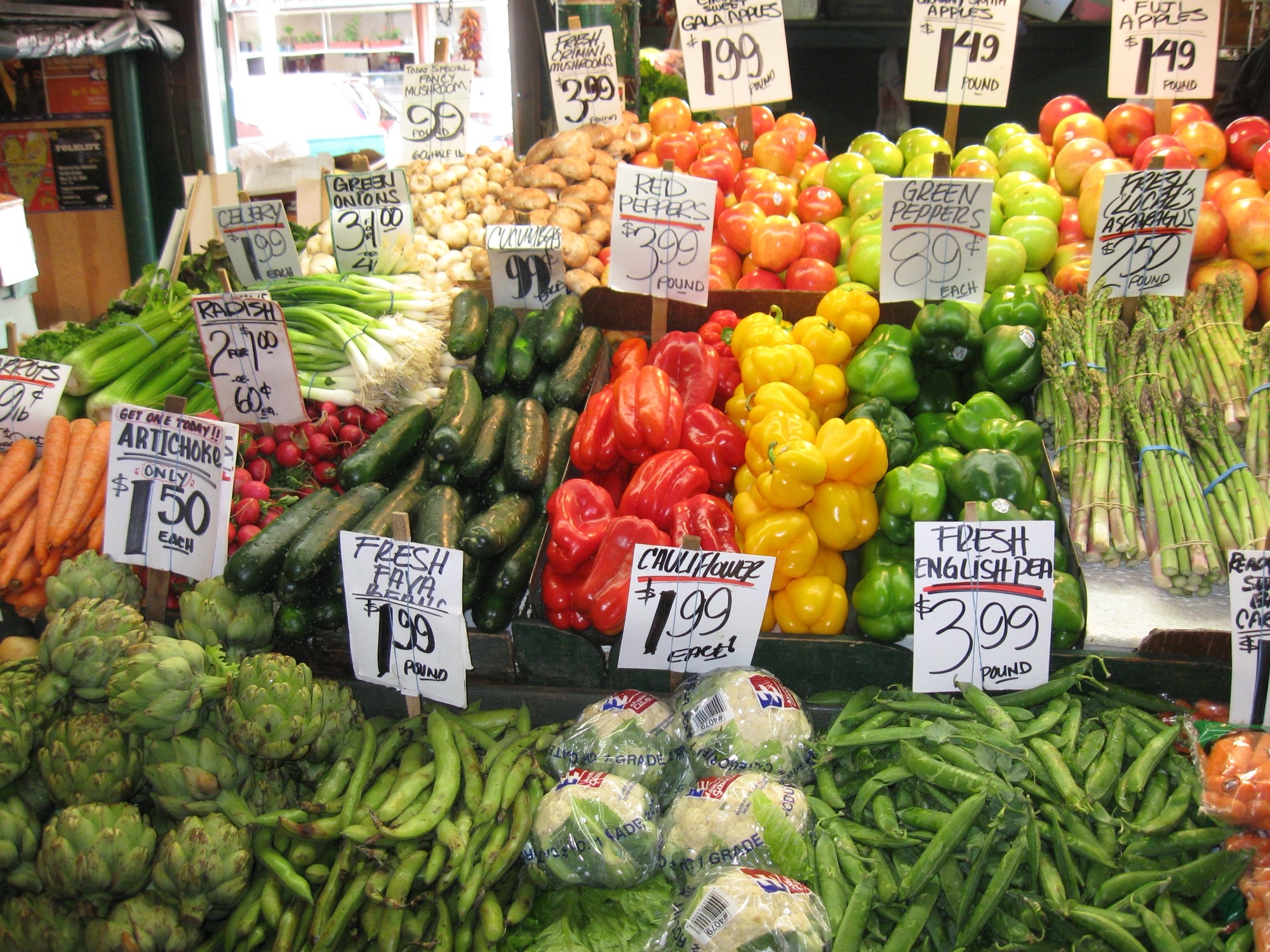
The Bureau of Labor Statistics reported Friday that the Producer Price Index for final demand rose 0.3% in October, after a 1.4% jump in September. Goods rose 0.5%. Services rose 0.2%. Over the 12 months ended in October, final demand prices were up 6.5%. Yesterday’s consumer price story covered rent, groceries, and a household remittance. This print is for the operator who pays the invoice before anyone orders dinner or ships a board.
PPI averages selling prices received by domestic producers. Your supplier’s quote still depends on freight, taxes, import sourcing, and whatever terms you locked. The index tells you which categories moved. The purchase order tells you what clears accounts payable.
Inside the same month, food and electronics pulled apart. Final-demand foods rose 1.3%. Fresh and dry vegetables jumped 26.7%. Processed poultry rose 6.1%. Meats edged down 0.4%. Fresh fruits and melons fell 1.8%. Electronic components and accessories rose 4.2% for the month and 31.7% from a year earlier. The separate hardware commodity index was flat. A kitchen buying produce and chicken is looking at a different cost sheet from a reseller stocking chips and cable.
Restaurant food vs electronics parts under October PPI
Each dollar column multiplies a sample buy by the October percent change, as if the invoice moved one-for-one with the index. Your wholesaler or distributor quote can land higher or lower. PPI averages selling prices received by domestic producers.
| Business / PPI line | October change | Sample buy | Implied dollar change |
|---|---|---|---|
| Restaurant: final demand foods | +1.3% | $8,000 weekly food buy | About +$104 |
| Restaurant: fresh and dry vegetables | +26.7% | $2,000 produce line inside that week | About +$534 |
| Restaurant: processed poultry | +6.1% | $2,500 poultry line | About +$153 |
| Hardware reseller: electronic components and accessories | +4.2% (+31.7% year over year) | $25,000 parts purchase order | About +$1,050 on the month; about +$7,925 vs a year-ago price level |
| Hardware reseller: hardware (nuts, bolts, related) | 0.0% | $10,000 fasteners and shelf hardware | $0 on the monthly index print |
Source: BLS Producer Price Indexes, October 2026; Generational sample math
Say a restaurant spends $8,000 on food in a week. If every line moved exactly with the 1.3% foods index, that is about $104 more. Put $2,000 of that week in produce and apply the 26.7% vegetable print, and the math says about $534. A $2,500 poultry line at 6.1% adds about $153. An Asian specialty distributor or broadliner may have held some cases, raised others, or tacked on a fuel surcharge the foods index never shows. Truck transportation of freight rose 3.9% in the same report, and that can show up on the delivery ticket too.
On a $25,000 electronic-components purchase order, a 4.2% move would cost about $1,050 more. Against last year’s price level, the 31.7% year-over-year rise implies roughly $7,925 more on the same dollar basket. A $10,000 buy of ordinary hardware, nuts, bolts, and related stock, sat at a 0.0% monthly change on the hardware index. Components and shelf hardware can share a warehouse aisle and still print opposite stories. Import invoices, allocation premiums, and broker sourcing can also miss the domestic producer average by a wide margin.
Food and alcohol wholesaling margins rose 4.2% in October. That trade-services line tracks wholesaler margins, not the sticker on a case of cabbage, so a restaurant’s landed cost can shift even when the commodity print looks quiet, or stay sticky after vegetables spike. Match the PPI category to what you buy, then check the margin and freight lines that ride on top.
Set the menu price or the customer quote after those lines are on one page. Cash Flow for Ecommerce, Import, and Wholesale Diaspora Businesses and Runway and Staffing Basics for Restaurants, Retail, and Service Shops keep inventory timing next to payroll. Immigrant-Owned Small Business Financing Basics and Small Business Banking When Your Books Don’t Match Mainstream Templates help keep a higher invoice from drifting into household cash. Yesterday’s October CPI household-bills piece is the consumer side of the same month.
Hold onto the 0.3% headline. Pay from the food line, the components line, and the invoices that match them.
Related content
Guides
- Cash Flow for Ecommerce, Import, and Wholesale Diaspora Businesses
- Runway and Staffing Basics for Restaurants, Retail, and Service Shops
- Immigrant-Owned Small Business Financing Basics
- Small Business Banking When Your Books Don't Match Mainstream Templates
- Food and Grocery Cost Benchmarks for Diaspora Households
Further diaspora reading
- Cash Flow for Ecommerce, Import, and Wholesale Diaspora Businesses (Generational)
- Runway and Staffing Basics for Restaurants, Retail, and Service Shops (Generational)
- Tariffs Caused Most Hardship to US Small Businesses (Goldsea)
- January Producer Price Rise Suggests More Inflation Brewing (Goldsea)
- October prices rose 0.4%. Which household bills are driving it? (Generational)
Generational Take
Get the next Generational Take
Get our latest practical tips and takes in your inbox. No spam.