
Jensen Huang Has Left Nvidia. Here’s Who Runs It Now.
Huang resigned as CEO and director. CFO Colette Kress is interim CEO, Harvey C. Jones is the first board chair, and Tuesday’s earnings call is the first real look at how that split works.
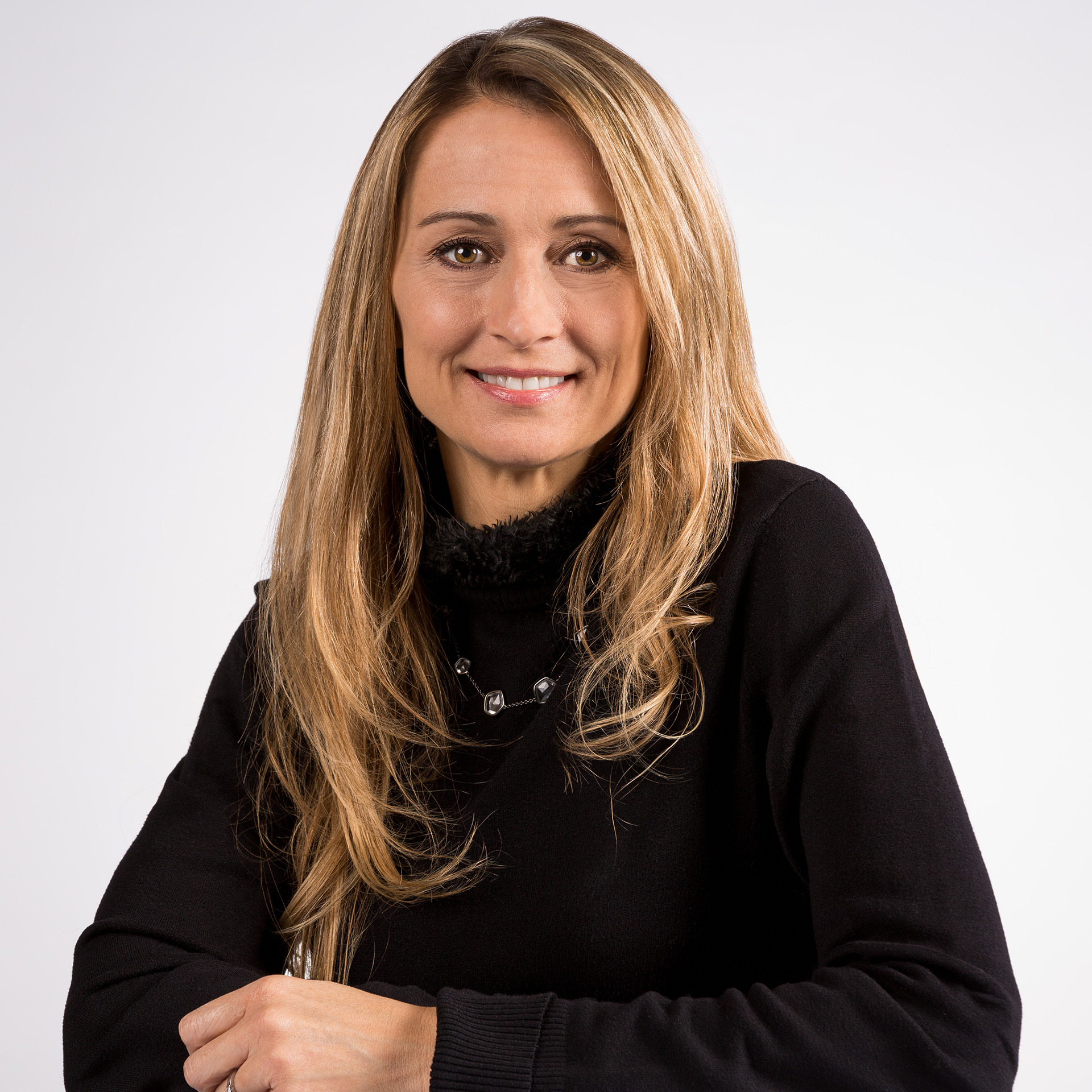
On Nov. 11, Nvidia’s board accepted Jen-Hsun “Jensen” Huang’s resignation as president, chief executive officer, and director, effective immediately. The Form 8-K named Colette M. Kress, executive vice president and chief financial officer since 2013, as interim CEO. She keeps the CFO job while the board searches for a permanent chief executive, looking at internal and external candidates. Harvey C. Jones, a director since 1993, became the board’s first chair. Nvidia’s Nov. 12 newsroom release matched the filing. Shares closed Nov. 12 at $166.19, down 4.34% after falling further earlier in the day.
Huang co-founded Nvidia and ran it for 33 years. He left after personal-conduct reporting and a board inquiry had already put succession in the news. The filing itself is narrower. It settles who can speak for management, who runs the board, and who owns the next earnings call. If you hold NVDA in a brokerage account, or carry it inside an S&P 500 or Nasdaq fund, those seats are the part that changes your file.
Who holds which job after the Nov. 11 filing
Titles from Nvidia’s Form 8-K and Nov. 12 press release. The permanent CEO search is open to internal and external candidates.
| Seat | Who | What they control now |
|---|---|---|
| Interim CEO (and still CFO) | Colette M. Kress | Day-to-day executive authority; remains finance chief; signed the 8-K |
| Chair of the Board (first ever) | Harvey C. Jones | Leads the board; runs the permanent-CEO search; speaks for the directors |
| President, CEO, and director | Vacated by Jen-Hsun “Jensen” Huang | No executive title and no board seat after Nov. 11 |
| Operations / field / legal EVPs | Debora Shoquist; Nick Parker; Tim Teter | Supply, customers, and legal under the interim CEO |
Kress is running the company day to day. She has handled Nvidia’s numbers with investors for more than a decade, after finance roles at Texas Instruments, Microsoft, and Cisco. In the company release, Jones said she understands the customers, operations, and balance sheet, and that the board expects the product roadmap and customer commitments to continue. Keeping the CFO title while serving as interim CEO is a familiar bridge appointment. The person who used to turn Huang’s roadmap into guidance now has both jobs.
Jones’s role is the board. Until this week, Nvidia used an independent lead director instead of a chair. Stephen C. Neal held that seat. A chair leads the full board, not only the closed sessions without management. Jones co-founded Daisy Systems, led Synopsys as CEO and later as executive chairman, chaired Tensilica until Cadence bought it, and has run Square Wave Ventures since 2004. He is overseeing the permanent-CEO search and is the director Nvidia quoted saying the board has confidence in Kress.
The rest of the officer bench is still in place. Debora Shoquist remains EVP of operations. Nick Parker runs worldwide field operations. Tim Teter is general counsel and secretary. Founder Chris A. Malachowsky stays listed as an Nvidia Fellow. Engineers such as Ian Buck, long associated with CUDA and hyperscale work, remain operating leaders, not board appointments. Huang is listed as a founder with no officer title. The flat structure he preferred, with dozens of people reporting to the CEO, now reports up through an interim chief who spent her career on earnings calls.
Huang still owns a large stake. Nvidia’s 2026 proxy put his beneficial ownership near 870.6 million shares, about 3.58%, much of it in family trusts with shared voting power. Ownership does not restore a board seat or a veto over the search. Vanguard and BlackRock each held larger institutional stakes in the same proxy season. Nvidia remains one-share, one-vote.
Tuesday, Nov. 17, is when investors hear from the new setup. Nvidia will post third-quarter fiscal 2027 results around 1:20 p.m. Pacific for the period ended Oct. 25, then hold the call at 2 p.m. Pacific. Kress was already due to publish written CFO commentary after the numbers. Listen for who opens the call, how the company talks about the roadmap, and whether supply, memory costs, and the Vera Rubin ramp get the same level of detail as under Huang. Language on customer financing and buybacks matters too. The permanent search may stay vague. Even a short process update shows whether Jones’s board or Kress’s operating team is driving the calendar.
Households with NVDA in a taxable account, a target-date fund, or a tech-heavy sleeve next to employer RSUs should check how much of the portfolio that one name already is. Taxable Investing Basics for First-Gen Professionals and RSU Vest Day Playbook for Diaspora Households help size the exposure. Goldsea’s Colette Kress primer and its read on AI-sector capital after Huang add the broader market reaction.
Kress runs the company for now. Jones runs the board and the search. Tuesday’s call is where that split gets tested against the quarter’s numbers.
Related content
Guides
- Taxable Investing Basics for First-Gen Professionals
- RSU Vest-Day Playbook for Diaspora Households
- The High-Income Trap: Why Upwardly Mobile Asian Professionals Still Feel Broke
- Taxable Brokerage Savings Rate Benchmarks for First-Gen Professionals
- RSUs, Bonuses, and Irregular Income for Upwardly Mobile Professionals
Further diaspora reading
- Who Is Nvidia's New CEO Colette Kress? (Goldsea)
- Investors Fret Over Loss of Nvidia's Large-Scale Wealth-Spreading across AI Sector After Huang (Goldsea)
- Taxable Investing Basics for First-Gen Professionals (Generational)
- RSU Vest Day Playbook for Diaspora Households (Generational)
- Nasdaq falls 5.5% into a correction. Index funds, QQQ, and RSUs already stacked the same AI names. (Generational)
Generational Take
Get the next Generational Take
Get our latest practical tips and takes in your inbox. No spam.