
More Than 25 Million Switch 2 Consoles Reached Players. That Metric Isn’t Shipments.
By the end of October, Nintendo says more than 25 million Switch 2 consoles had been sold to players. That is sell-through, not the 26.35 million sold into retail through September. For NTDOY holders heading into the holidays, each number answers a different question.
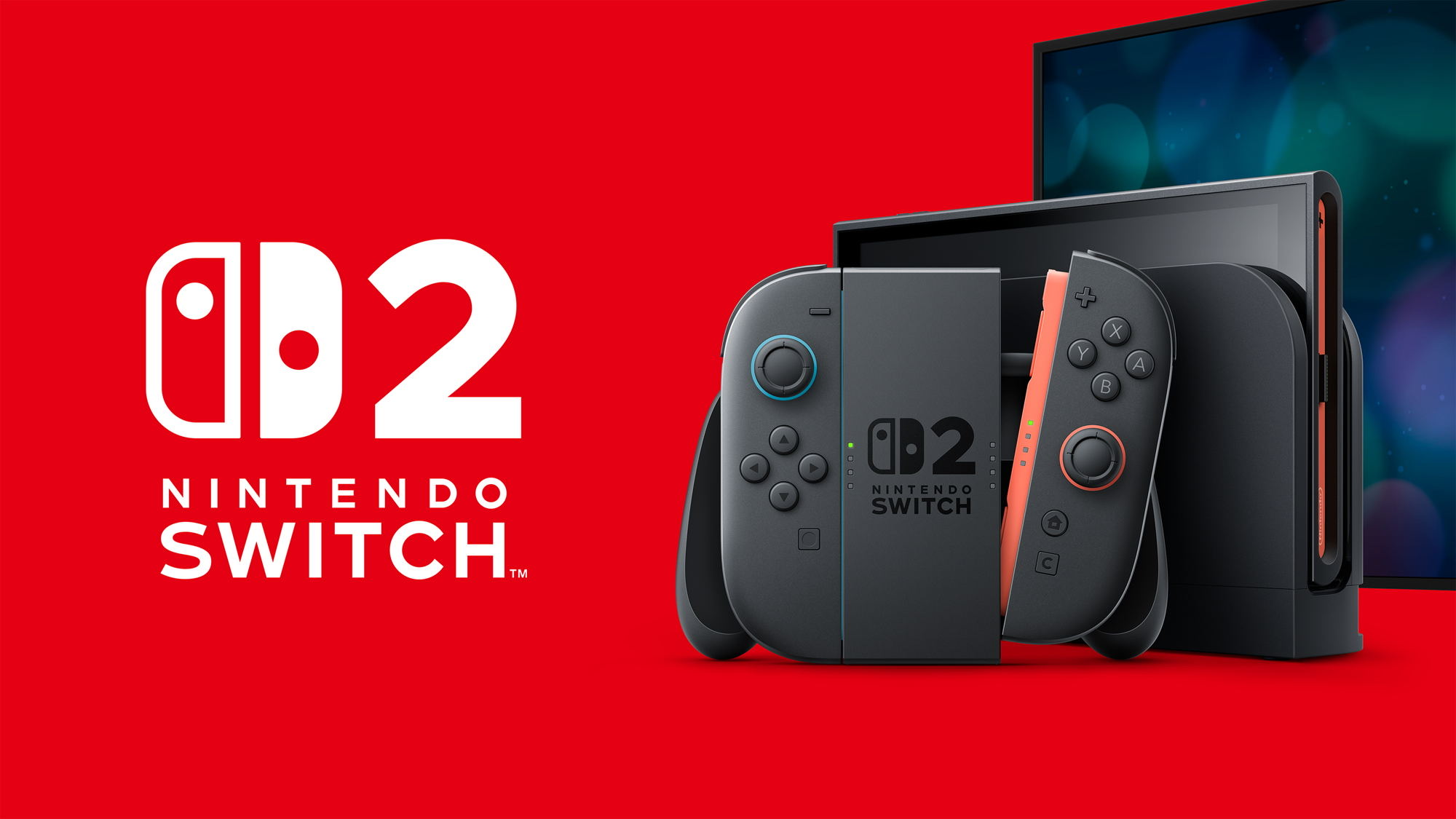
Nintendo told investors that more than 25 million Nintendo Switch 2 consoles had reached players by the end of October. The Kyoto entertainment company put the figure in its Nov. 6 investor presentation, about a year and a half after the hybrid system launched on June 5, 2025. President Shuntaro Furukawa, who has led Nintendo since 2018, called the same total the installed base in the Q&A. If you hold the U.S. ADR NTDOY, or you are pricing a holiday console for a sibling who already owns a Switch, this is the demand number. Units shipped into stores are a different line.
Nintendo’s footnotes make the split plain. Sell-through means sales to individual consumers: units sold by retailers plus units sold on Nintendo’s own direct-sales sites. Sell-in means sales by the Nintendo group to outside entities. For the hardware tables Nintendo publishes each quarter, that includes units sold to retail partners and the same direct consumer channel. A console can sit on a store shelf after Nintendo has already booked the sell-in. Direct sales land in both counts. So the two tallies track each other without lining up one for one.
What each Switch 2 unit number measures
Nintendo publishes both metrics with different cutoffs. Do not subtract one from the other as if they share a date.
| Metric | Latest figure | What it counts | Holiday takeaway |
|---|---|---|---|
| Sell-through | >25 million (end of Oct. 2026) | Units sold to individual consumers (retail plus Nintendo’s direct-sales sites) | Demand / installed base: how many homes actually have the system |
| Sell-in (life-to-date) | 26.35 million (as of Sept. 30, 2026) | Units Nintendo sold to outside entities, including retail partners, plus direct sales through Nintendo sites | What left Nintendo’s books through the fiscal half, including channel stock |
| FY27 hardware guide (sell-in) | 16.5 million (year to March 2027) | Planned sell-in for the current fiscal year; first half already booked 6.49 million | About 10 million still needed Oct.–March; Furukawa says the next several weeks matter most |
Source: Nintendo IR presentations Nov. 5–6, 2026 (261106e, 261105_3e)
The cutoffs also differ, which is why you should not subtract one from the other and call the remainder “unsold stock.” Life-to-date Switch 2 hardware sell-in stood at 26.35 million as of Sept. 30, per Nintendo’s sales-unit page and the Nov. 5 results materials. The 25 million sell-through figure runs through the end of October. One side includes an extra month of consumer buying. The other still includes whatever was sitting in the channel at September’s close.
Sell-through is the better read on whether people are still taking the system home after the launch rush and the price hikes. In Japan, the Japanese-language Switch 2 rose from ¥49,980 to ¥59,980 in May. The U.S. MSRP moved from $449.99 to $499.99 on Sept. 1, with Canada and Europe following the same day. Furukawa said Japan’s installed base grew faster than any of Nintendo’s past dedicated platforms, then slowed after a rush of buying ahead of the hike. Outside Japan, buyers had more time between the announcement and the new price, and Nintendo offered hardware-and-software bundles in that window, so the drop-off looked milder. He is using the 25 million consumer total to argue that adoption still looks solid at the higher stickers.
Sell-in answers the holiday question investors ask next: can Nintendo still hit its fiscal-year shipment plan? For the year ending March 2027, the company left Switch 2 hardware guidance at 16.5 million sell-in units, down from 19.86 million in the launch fiscal year. First-half sell-in was 6.49 million, down 37.4% from the year-earlier launch half. That leaves roughly 10 million units to move between October and March. Furukawa said holiday sales heavily shape annual shipments for Nintendo’s dedicated platform business. With the price revisions already in place, he told investors “the sales trends over the next several weeks will be key to achieving our sales guidance.”
The Americas already account for a large share of what has left Nintendo’s books. Through Sept. 30, life-to-date sell-in was 9.00 million in the Americas, 7.07 million in Japan, 5.85 million in Europe, and 4.42 million elsewhere. Software is carrying more of the recent story than fresh hardware growth. Switch 2 software sell-in rose 18.8% in the half to 24.49 million units, and combined Switch and Switch 2 annual playing users sit near 129 million, still above 100 million after the new hardware launch. Furukawa pointed to March’s Pokémon Pokopia, a Switch 2 exclusive, as a global hardware driver earlier this fiscal year. He also flagged the Zelda 40th Anniversary Edition console and the Nov. 5 Ocarina of Time remake as early holiday fuel. Games and special editions pull sell-through. The 16.5 million guide still has to clear as sell-in.
If NTDOY sits in a taxable brokerage account next to other Japan or mega-cap names, Taxable Investing Basics for First-Gen Professionals and Taxable Brokerage Savings Rate Benchmarks for First-Gen Professionals help size the sleeve. The same week’s earnings split, profit up while hardware sell-in fell, is already in Nintendo’s net profit rose 11%. Switch 2 hardware sales fell 37%.. Watch sell-through to see if players keep buying at the new price. Watch sell-in to see if the shipment plan survives December.
Related content
Further diaspora reading
- Nintendo’s net profit rose 11%. Switch 2 hardware sales fell 37%. (Generational)
- Sony’s profit jumped 45%. PlayStation console sales weren’t the whole business. (Generational)
- Taxable Investing Basics for First-Gen Professionals (Generational)
- Nintendo Operating Profit Jumps 151% on Robust Software Demand, Tariff Refund (Goldsea)
- Pokemon Pokopia Sells 2.2 Million Copies, Boosting Switch 2 Momentum (Goldsea)
Generational Take
Get the next Generational Take
Get our latest practical tips and takes in your inbox. No spam.