
Nintendo’s net profit rose 11%. Switch 2 hardware sales fell 37%.
November 5 first-half results show sales down 12% while operating profit jumped 49%. Software demand, digital downloads, and a U.S. tariff refund explain the split, with memory costs and holiday pricing still ahead.
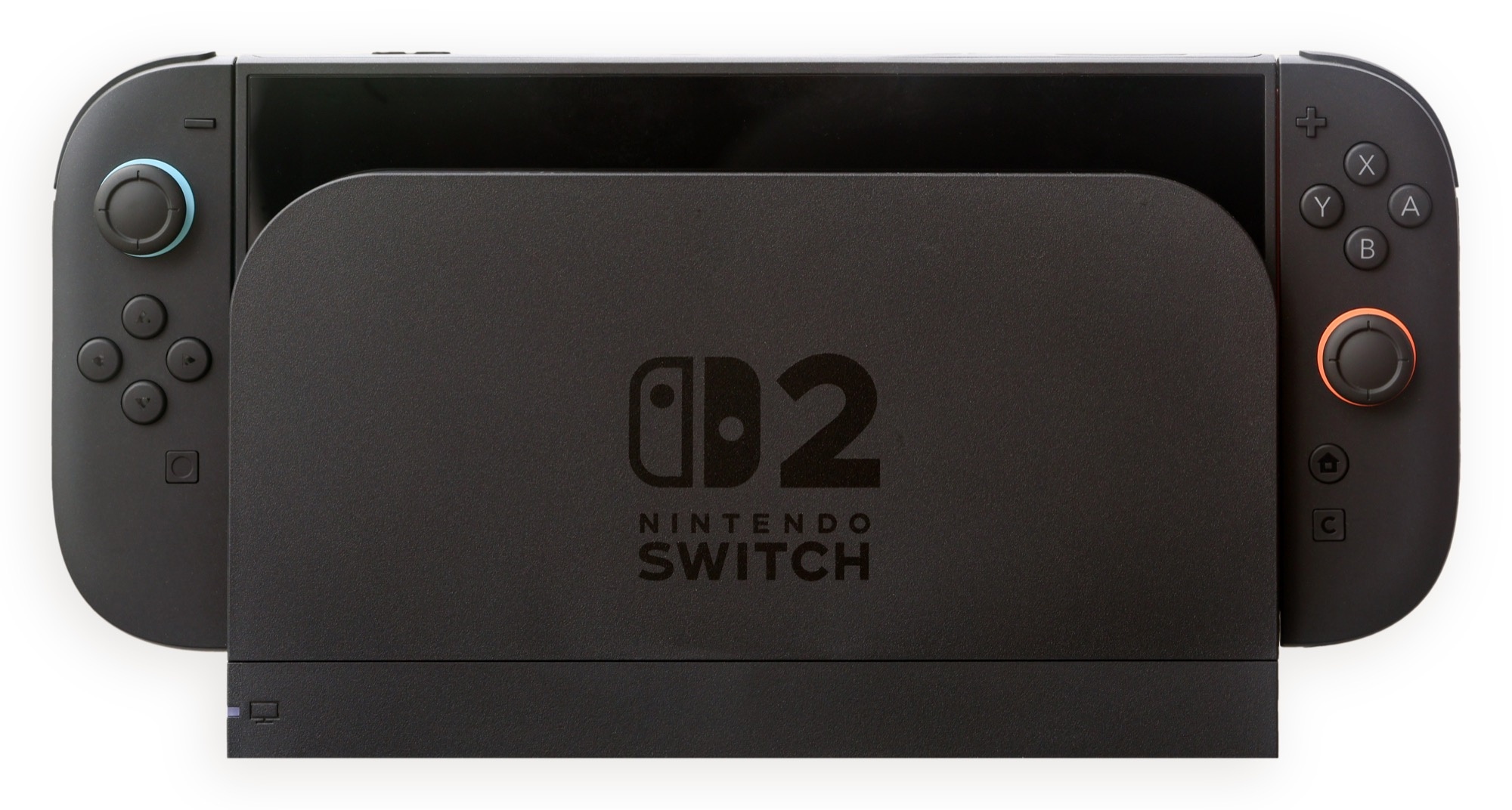
Nintendo’s net profit rose 11% to ¥220.9 billion in the six months ended September 30. Net sales fell 12.1% to ¥966.0 billion. Operating profit jumped 49.1% to ¥216.5 billion. Nintendo Switch 2 hardware sell-in fell 37.4% to 6.49 million units. Sales and profit moved in opposite directions because the mix inside those numbers changed.
The Kyoto company reported on November 5. Shuntaro Furukawa, Nintendo’s president since 2018, is past the Switch 2 launch rush and into the harder stretch: tougher year-ago comparisons, higher memory prices, and a holiday season that already carries a raised sticker. The OTC ADR, NTDOY, closed November 6 at $13.10, down about 4%. Tokyo-listed shares fell nearly 8%. If you are buying a console this winter, or holding the ADR next to other Japan names, read hardware units, software demand, digital revenue, and component costs together.
Hardware explains most of the sales drop. Sales from Nintendo’s dedicated video game platform business, the console-and-games line in the report, fell 15.3% to ¥903.3 billion even though software unit sales rose, because fewer consoles shipped. Switch 2 hardware sold 6.49 million units in the half, down from 10.36 million a year earlier, when the system was still in its first big sell-in wave after the June 5, 2025 launch. Original Switch hardware fell to 1.27 million units. In the July-September quarter alone, Switch 2 hardware was 2.67 million units, about 41% below the year-ago quarter and below the prior quarter’s 3.82 million. Life-to-date Switch 2 hardware reached 26.35 million units by September 30. Plenty of households already own one. Fewer new ones are leaving the warehouse at last year’s pace.
Software is why profit could still rise. Switch 2 software sell-in climbed 18.8% to 24.49 million units. Switch software rose 6.8% to 65.73 million units, helped by backward compatibility on Switch 2 and by hits such as Tomodachi Life: Living the Dream at 8.81 million units and Rhythm Heaven Groove at 2.89 million. On Switch 2, Splatoon Raiders sold 2.42 million units, Fire Emblem: Fortune’s Weave 1.34 million, and Star Fox 1.17 million. Hardware’s share of dedicated-platform sales fell from 73.2% to 54.5%. First-party software’s share of platform software sales rose to 76.6%. When games take a larger slice of the bill, the margin follows.
Digital revenue made that shift clearer. Digital sales, which cover downloadable versions of packaged games, download-only titles, add-on content, and Nintendo Switch Online, rose 60.5% to ¥249.6 billion. They accounted for 60.7% of dedicated-platform software sales, up from 54.5%. Gross profit rose 22.1% to ¥486.4 billion, and the gross profit ratio jumped to 50.4% from 36.2%. Fewer consoles on the invoice, more downloads and add-ons beside them: that is how profit can climb while sales shrink.
One cost line also helped, and it will not show up the same way every half. Nintendo recorded about $300 million as a reduction of cost of sales in the first quarter from refunds of U.S. tariffs imposed under the International Emergency Economic Powers Act, or IEEPA. The company says it primarily bore those tariffs instead of passing them through sticker prices. IP-related income, which covers movies, smart-device content, royalties, and official-store merchandise, rose 87.9% to ¥62.7 billion, helped by The Super Mario Galaxy Movie. Those two lifts padded the half. Holiday hardware still has to do its own work.
Component costs are the pressure to watch into shopping season. Nintendo’s full-year forecast still includes about ¥100 billion of cost-of-sales impact from rising component prices, especially memory, plus tariff measures. Inventory rose to ¥814.5 billion at September 30 from ¥539.8 billion at the prior fiscal year-end. Furukawa tied that jump to holiday stock, higher raw-material prices, planned procurement, and the higher unit value of Switch 2 hardware. The company can secure enough memory for now, he said, and is not planning another price hike after earlier raises that took the U.S. Switch 2 to $499.99. From the third quarter on, more of those materials arrive at higher prices, so the cost bite should be larger than in the first half. Next fiscal year’s memory bill, he warned, looks heavier still.
Guidance did not get a holiday rewrite. Nintendo left its May forecast unchanged: ¥2.05 trillion in sales, ¥370 billion in operating profit, and ¥310 billion in net profit for the year ending March 2027. Switch 2 hardware is still guided to 16.5 million units for the year, Switch 2 software to 60 million. Hitting those software numbers needs a stronger second half. Titles already in the window include The Legend of Zelda: Ocarina of Time and, in January, Metroid Ravenous. The near-term household question is simpler. How many raised-price consoles move once gift budgets open?
If NTDOY sits beside other Japan or gaming names, separate the mix story from the unit story. Taxable Investing Basics for First-Gen Professionals helps size a single-name sleeve. RSU Vest Day Playbook for Diaspora Households is for the job that already concentrates tech or chip exposure. The same week’s other console-adjacent earnings map is Sony’s profit jumped 45%. PlayStation console sales weren’t the whole business..
Through the holidays, watch software attach, digital share, and memory costs before you treat the hardware unit table as the whole company. When the boxes slow and the games keep selling, the P&L can look like this print.
Related content
Further diaspora reading
- Sony’s profit jumped 45%. PlayStation console sales weren’t the whole business. (Generational)
- Taxable Investing Basics for First-Gen Professionals (Generational)
- Nintendo Operating Profit Jumps 151% on Robust Software Demand, Tariff Refund (Goldsea)
- Nintendo Profits Rise Despite Surge in Memory Chip Prices (Goldsea)
- RSU Vest Day Playbook for Diaspora Households (Generational)
Generational Take
Get the next Generational Take
Get our latest practical tips and takes in your inbox. No spam.