
KB Kookmin will move corporate dollar trade payments onto JPMorgan’s Kinexys in August. The stake is import-export clocks, not family wires.
Korea’s largest bank by assets plans near-real-time USD remittances for exporters and importers across 10 countries, including the U.S., India, Singapore, and the Gulf. It is bank blockchain for trade settlement, not a retail remittance product.
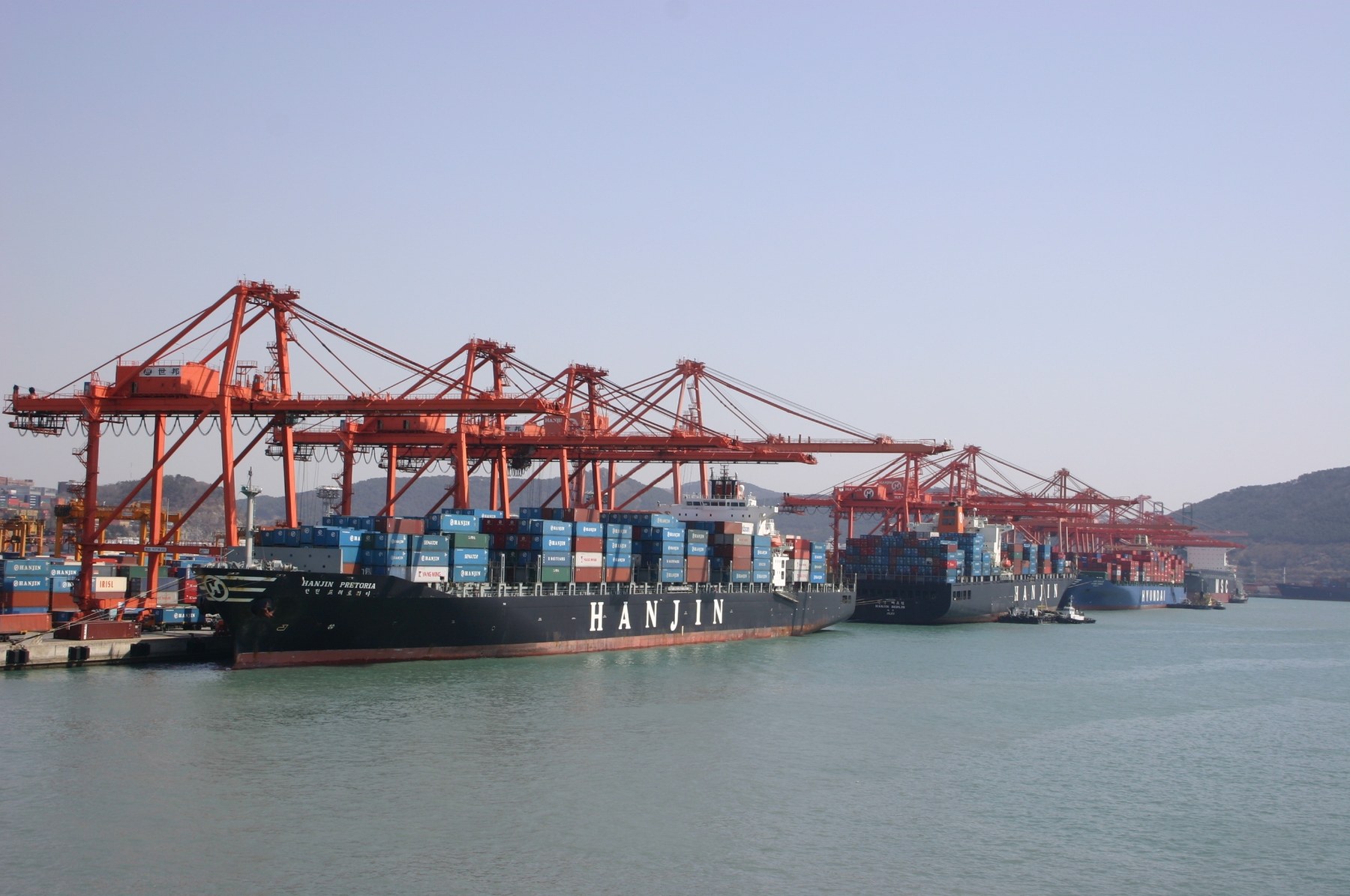
KB Kookmin Bank said on July 26 that it will launch a payment service for import and export firms next month on Kinexys, J.P. Morgan’s institutional blockchain payments network. Local coverage calls it the first time a Korean financial institution has used Kinexys for corporate import-export settlement. The product is aimed at trade clients who need U.S. dollar remittances to clear faster across time zones, not at households sending a monthly Kakao-timed family wire.
The corridor list is the business story. Coverage says the service will be available at KB’s domestic branches and its Singapore branch, with USD transfers first to ten markets: South Korea, the United States, Singapore, Saudi Arabia, India, Thailand, Qatar, the United Arab Emirates, Bahrain, and South Africa. That is a trade map that mixes U.S. buyers, Southeast Asian suppliers, and Gulf counterparties. Korean American and other diaspora operators who invoice or pay across those clocks are the household-adjacent readers, even when the bank’s formal customer is a corporate entity.
Kinexys is J.P. Morgan’s permissioned payments and tokenization unit, formerly branded Onyx. Bank and press materials describe near-real-time interbank dollar settlement, overseas remittances, and programmable payments that can run around the clock, linked to existing SWIFT workflows rather than replacing them overnight. Coverage cites more than $4 trillion in cumulative Kinexys volume and average daily activity above $7 billion. No public crypto token is the retail product here. Corporate clients stay inside regulated bank rails that happen to settle on shared ledger infrastructure.
Scale explains why the launch matters beyond a press release. Parent KB Financial Group has been ranked South Korea’s largest lender by assets in S&P Global’s Asia-Pacific bank review, with about $552.76 billion in assets and a place among the region’s top 30 banks. KB is also one of the four commercial banks testing the Bank of Korea’s offshore won settlement network, BOK-WireInt. Dollar trade payments on Kinexys and overnight won settlement on BOK-WireInt are related plumbing stories with different jobs: one moves trade USD for corporates, the other aims to let foreigners settle won through home-country bank accounts.
For diaspora small-business owners, the useful question is operational, not cryptographic. If you import components from Korea or Thailand, export finished goods to U.S. or Gulf buyers, or run a dual-hq trading book out of Singapore and Seoul, ask whether your bank or your counterparty’s bank will sit on the same near-real-time dollar path after August. Shorter settlement windows change cash-flow buffers, letter-of-credit timing, and how much working capital you keep parked for weekend and holiday gaps.
What this is not: a consumer remittance fee cut. Family support wires to parents in Busan or Seoul still belong on separate retail corridors. Compare those quotes the same way you did last month. The Kinexys product is priced and scoped for import-export corporate clients, with programmable features that automate international payments for companies that already live inside KB’s commercial stack.
Caveats keep expectations honest. August is a launch window, not a guarantee that every corridor feels instant on day one. Liquidity, counterparties, and compliance checks still sit between two invoices. Blockchain settlement inside a bank network can compress intermediary hops without deleting AML, FX conversion, or invoice disputes. Treat early months as a pilot for your own cash calendar: measure days-to-cash before and after, then decide whether the buffer you keep for Middle East or U.S. holidays can shrink.
If trade dollars fund your household, update the business file first. Map which invoices clear through KB Korea or Singapore, which still need SWIFT-only paths, and whether your U.S. operating company or Korea affiliate is the legal sender. Then keep family remittance caps beside rent and retirement so a faster corporate rail does not quietly inflate the home send.
Start with Cash Flow for Ecommerce, Import, and Wholesale Diaspora Businesses and Immigrant-Owned Small Business Financing Basics. Household Korea wires still belong in Send Money to Korea From the U.S.. Pair this corporate rail with the desk piece on BOK-WireInt offshore won settlement so USD trade speed and won overnight plumbing stay on separate pages in the file.
Related content
Generational Take
Get the next Generational Take
Get our latest practical tips and takes in your inbox. No spam.