
Judge strikes down the 75-country visa freeze that stalled family green cards for seven months
On August 21, a Manhattan federal judge vacated the State Department policy that since January 21 had blocked immigrant visas for nationals of 75 countries. Consular green-card cases can move again, though refusals on other grounds stand, the department will not say whether posts have resumed, and a separate proclamation still blocks immigrant visas for 19 countries.
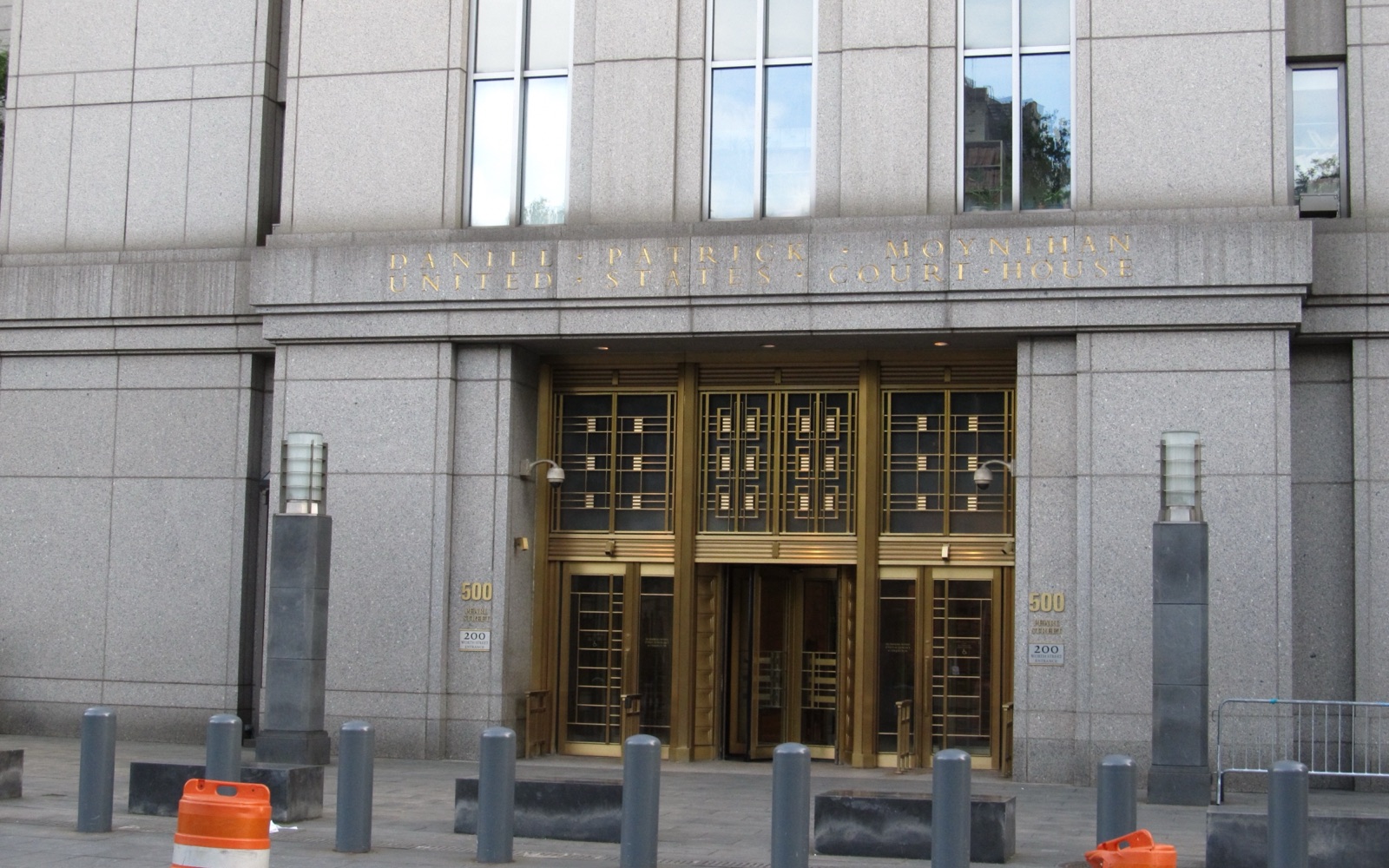
On August 21, U.S. District Judge Jeannette A. Vargas in Manhattan vacated a State Department policy that since January 21 had blocked immigrant visa issuance for nationals of 75 countries, roughly two in five of the world's nations. For U.S. citizens and permanent residents sponsoring parents, spouses, or siblings abroad, the ruling reopens a lane that had been closed at consulates for seven months. It does not hand out visas. It removes one nationality-based refusal rule and sends affected cases back for ordinary consular review.
The case is Catholic Legal Immigration Network, Inc. v. Rubio, No. 1:26-cv-00858 in the Southern District of New York. CLINIC, a national nonprofit that trains and supports immigration legal-aid providers, sued alongside African Communities Together, six U.S. citizens whose relatives in Ghana, Guatemala, Jamaica, and Ethiopia were waiting on family petitions, and five Colombians with employment-based petitions of their own. Secretary of State Marco Rubio announced the pause on January 14, 2026, citing public-charge risk, and sent a cable to every diplomatic and consular post the same day titled "Pausing Immigrant Visa Issuances for Nationalities at High Risk of Public Charge." It told officers to refuse listed nationals under section 221(g) of the Immigration and Nationality Act even when no other ground of ineligibility applied.
Immigrant visas are the consular step for people moving permanently to the United States: family-sponsored green cards, employment-based permanent residence, diversity visas, and similar categories. The January policy did not touch H-1B work visas, F-1 student visas, B-1/B-2 visitor visas, or other temporary categories. If your household worry is a job transfer or OPT clock, this ruling is not the file. If someone in the family has an approved petition and was stuck after a consular interview, it is.
The 75-country list stretched across Africa, Latin America, the Caribbean, Eastern Europe, the Caucasus, Southeast Asia, and the Middle East. Asian corridors on it included Bangladesh, Nepal, Pakistan, Thailand, Cambodia, Bhutan, and Mongolia, plus Afghanistan, Burma, and Laos, which also fall under a separate proclamation this ruling leaves standing. India, China, the Philippines, Vietnam, and Korea were never on the list. Dual nationals were exempt if they applied with a valid passport from a country off the list, a carve-out that mattered for households holding more than one citizenship.
Vargas held that the policy violated the Immigration and Nationality Act's bar on nationality discrimination in immigrant visa issuance and exceeded Rubio's authority. Congress gave the grant-or-refuse decision to consular officers, and the statute expressly withholds that power from the secretary of state. She called the policy patently unlawful, vacated it in full rather than only for the plaintiffs, set aside refusals based solely on the pause, and sent those applications back for fresh adjudication. Refusals resting on some other ground of ineligibility, including an individualized public-charge finding an officer documented in the case notes, were left standing.
That distinction matters at the kitchen table. A sibling refused only because Bangladesh appeared on the cable may get another look. A parent whose officer wrote up a public-charge finding still has that finding to overcome. The court wiped the categorical nationality ban, not every hard consular letter from the last seven months.
Whether embassies have acted on the ruling is another matter. Asked over the weekend whether consular posts had resumed issuing immigrant visas to the 75 nationalities, and what guidance had gone out, a State Department spokesperson would say only that the department prioritizes rigorous screening and does not comment on ongoing litigation. NEPYORK, a Nepali diaspora news outlet, published the non-answer on August 23. Until posts publish their own instructions, plan around a backlog.
Afghanistan, Burma, and Laos are the exceptions, because a second restriction is still running there. Presidential Proclamation 10998, signed December 16, 2025 and effective January 1, fully suspended entry and visa issuance for nationals of 19 countries, including Afghanistan, Burma, and Laos, and partially suspended it for 20 more. It also stripped exceptions an earlier proclamation had granted to immediate-relative immigrant visas in the IR-1, CR-1, IR-2, CR-2, and IR-5 categories, which cover the spouse, child, and parent filings most sponsoring households make. Vargas left every bit of that alone, and explained why. The Supreme Court's 2018 decision upholding the first-term travel ban turned on presidential authority over who may enter the country. This case asked a narrower question: whether the State Department may refuse immigrant visas to applicants Congress had already made eligible.
Public charge, the rationale behind the January cable, is still moving on its own calendar. A Department of Homeland Security final rule effective September 18, 2026 restores broader discretion to weigh means-tested benefits such as Medicaid and SNAP for filings submitted on or after that date, which we covered in DHS public charge rule takes effect Sept. 18. That rule governs adjustment-of-status cases filed inside the United States. Relatives interviewing abroad are judged under the State Department's own manual, where officers were already weighing affidavits of support, sponsor income, age, and health long before the country list appeared. Removing the list restores that individual review. It does not soften it.
The money side of a visa case rarely tracks the legal side. Through seven months of limbo, families kept paying consular fees, medical exams, document translations, and airfare to interviews that ended in a refusal slip. Others raised the monthly wire because a relative abroad had stopped counting on a departure date. Cross-Border Family Wealth and Paperwork Basics is the map for keeping those costs visible. Emergency Fund Benchmarks When Family Depends on You and Generational's family liquidity ratio help size cash that can absorb another six-month delay without reaching into retirement.
If a case may reopen, start with what went stale while it waited: I-864 support figures against this year's income, tax transcripts, employment letters, and a medical exam that may have expired. Ask counsel whether the refusal cited only the January policy or an independent ground as well. Check the embassy's own page before anyone buys a ticket. And remember the August Visa Bulletin still decides whether a priority date can take a visa number at all once processing resumes.
The government can appeal now rather than at the end of the case, because Vargas entered partial judgment under Rule 54(b). She paired the vacatur with a declaratory judgment, reasoning that vacatur alone would not stop the secretary from trying a similar policy again. The parties owe the court a joint letter by September 11 on how to handle the claims still open. Even with no appeal, posts need time to rewrite internal guidance and work back through every refusal remanded since January.
This is reporting on a published court order and agency statements, not immigration advice. Priority dates, exemptions, petition history, and post-level backlog turn on facts only a qualified attorney can read for your file. On the household side, the Family Support Budget Calculator keeps the monthly wire visible while a case waits.
For seven months, the answer at the consular window did not depend on anything a family could fix. Not income, not paperwork, not the sponsor's affidavit. It depended on which passport the applicant carried. That much is off the table now. The rest of consular processing is as slow as it was in January.
Related content
Further diaspora reading
- Treat the August Visa Bulletin as a financial-planning document (Generational)
- DHS public charge rule takes effect Sept. 18, and Medicaid and SNAP sit in the middle of it (Generational)
- Cross-Border Family Wealth and Paperwork Basics (Generational)
- Your cash looks ample until you run the family liquidity ratio (Generational)
- Highs and Lows of Asian Multi-Generational Living (Goldsea)
Generational Take
Get the next Generational Take
Get our latest practical tips and takes in your inbox. No spam.