
Bank of Korea names BOK-WireInt and pilots overnight offshore won settlement. Korean American investors get a New York–hours rails story.
On July 21 the central bank named the Bank of Korea Won International Wire Network and set a September pilot with KB Kookmin, Shinhan, Hana, and Woori. The stake for diaspora households is settlement plumbing that can run while Seoul sleeps, not a retail remittance app overnight.
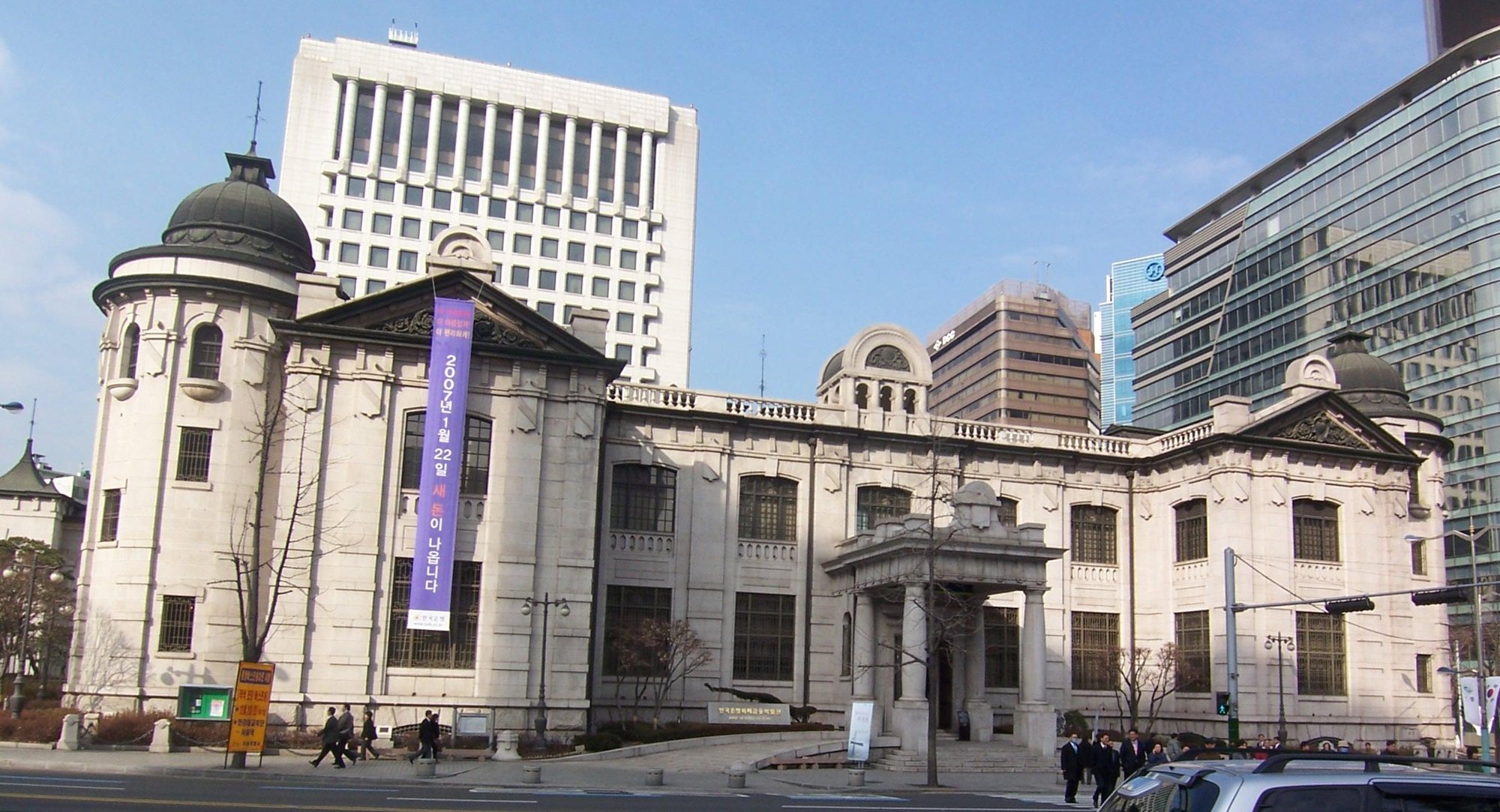
On July 21 the Bank of Korea put a public name on the missing overnight piece of Korea’s FX rebuild. The system is officially the Bank of Korea Won International Wire Network, shortened BOK-WireInt in English coverage. A September pilot will run with four commercial banks already testing: KB Kookmin, Shinhan, Hana, and Woori. Regulation revisions are due by August. Full operations are scheduled for January 2027.
The network’s job is settlement, not family wires. Foreign investors are supposed to settle won through accounts at banks in their home countries during local business hours, instead of waiting for Seoul desks to open. Hours run 24 hours on business days, from 9 a.m. to 9 a.m. the next day, and shut on weekends and public holidays. That is the New York–hours story Korean American and other overseas investors have been waiting for in the plumbing, not a promise that every remittance app suddenly clears faster.
Two days earlier, on July 19, the Ministry of Economy and Finance, the Bank of Korea, the Financial Services Commission, and the Korea Securities Depository published a Won Internationalization Roadmap. Coverage framed it as the biggest overhaul of Korea’s foreign-exchange rulebook since the 1997 crisis. The roadmap’s core is making the won easier to hold and settle outside Korea through designated offshore institutions, while easing capital-transaction reporting thresholds for lower-risk deals. BOK-WireInt is the settlement spine that roadmap needs.
Onshore FX already moved near the clock. On July 6, Korea opened dollar-won spot trading on a continuous schedule from 6 a.m. Monday to 6 a.m. Saturday, Seoul time, closed on weekends and New Year’s Day. That lengthened the Seoul market. It did not by itself give foreigners a clean way to settle won with other foreigners through home-country bank accounts while Korea slept. The July 21 naming and September pilot are the authorities’ answer to that gap.
MSCI is the scoreboard Seoul keeps citing. In its June 2026 review, the index provider kept Korea in emerging markets and off the developed-markets watchlist, pointing to limited offshore won convertibility and thin onshore liquidity in extended hours. BOK officials say better offshore settlement access should help the developed-markets bid. Treat that as aspiration with a long clock: watchlist status still has to be earned in a later review, and investors still have to believe liquidity sticks after the pilot.
For diaspora households the useful split is three ledgers. One is the investor and brokerage calendar: Korea equities, ADRs, and won cash that need settlement when U.S. markets are open. Two is the family remittance calendar: parent support, medical bills, Chuseok gifts that still move through Wise, banks, or money-transfer operators on separate retail rails. Three is the FX level itself, which just posted a strong July rebound against the dollar. BOK-WireInt speaks to ledger one. It does not replace ledger two, and it does not freeze ledger three.
That split keeps expectations honest. A Korean American holding SK hynix ADRs or a Korea brokerage line should watch which U.S. or global banks eventually sit in the offshore settlement network, and whether won cash can be managed on New York time without a Seoul account. A household sending a fixed monthly wire to Busan or Seoul should keep comparing net won delivered the same way it did last month. Pilots at four Korean banks are a systems start, not a consumer product launch.
Filipino and other workers remitting from South Korea sit on a different corridor again. Bangko Sentral ng Pilipinas figures put cash remittances from South Korea near $870 million for 2025 provisional, with early 2026 months still running hot. Their rails are employer payroll, Philippine banks, and remittance brands. BOK-WireInt is built for offshore investor settlement among banks, not for rewriting that OFW stack overnight.
What to do this week is mostly calendar work. Mark August for the regulation revisions, September for the pilot start, and January 2027 for full operations. If you invest across Seoul and New York clocks, ask your broker or bank how they plan to connect once offshore settlement institutions are live. If you only send family support, leave the pilot in the news file and keep your send caps beside retirement and rent.
For the remittance ledger that still funds parents, compare quotes in the Remittance Fee Comparator and park the baseline send in the Family Support Budget Calculator. Corridor how-tos live in Send Money to Korea From the U.S., Compare Remittance Fees to Korea From the U.S., and Plan Korea Remittances in Your U.S. Household Budget. Pair this rails story with the July won rebound desk piece so FX level and settlement plumbing stay on separate pages in the household file.
Related content
Generational Take
Get the next Generational Take
Get our latest practical tips and takes in your inbox. No spam.