
The 30-year average fell to 7.32%. A $400,000 loan is still about $300 a month above last year.
Freddie Mac's Thursday survey was down from 7.40% and up from 6.19% a year earlier. The week saves about $22 on a $400,000 loan. The year still costs about $300.
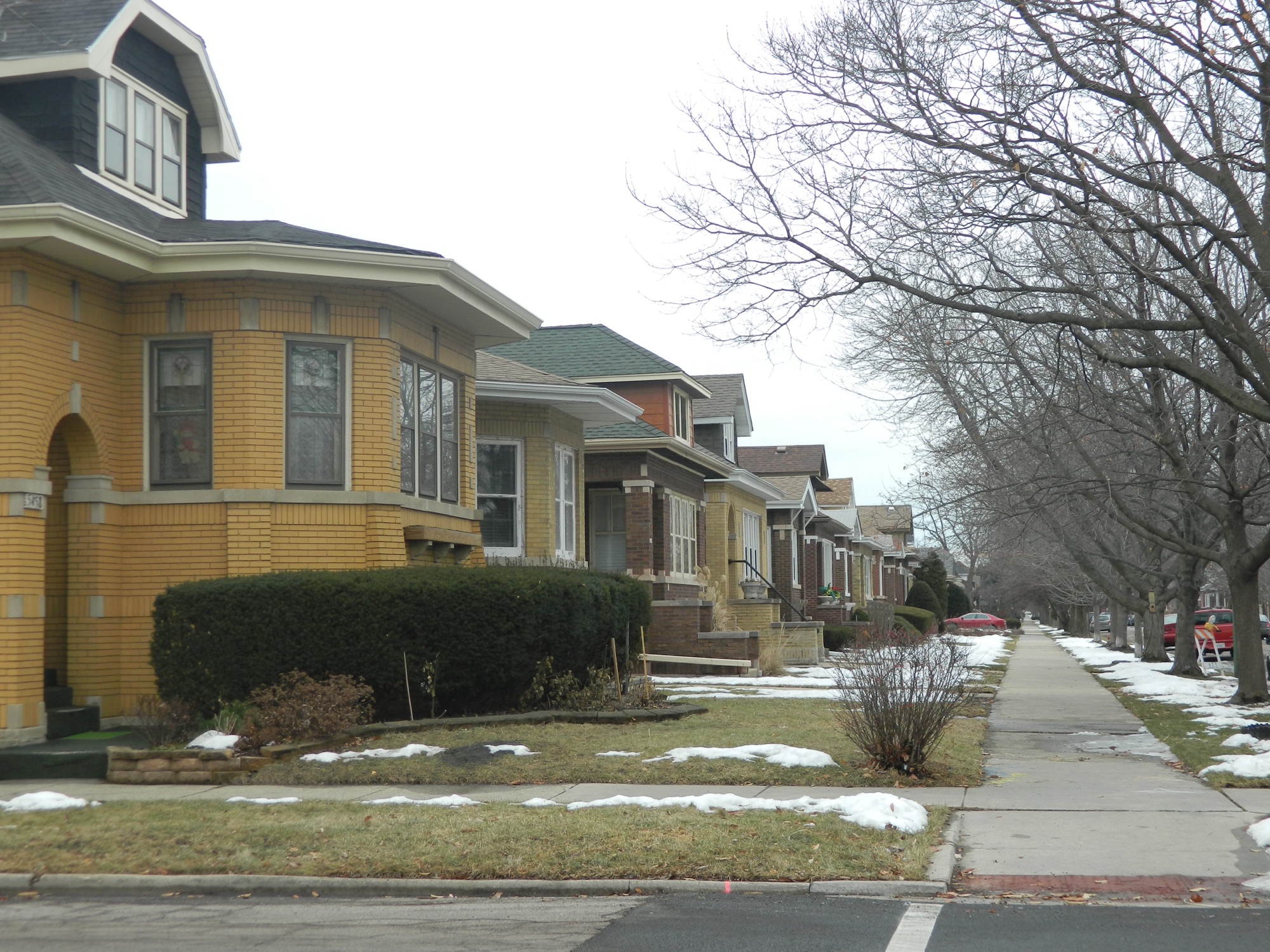
Freddie Mac said on Thursday that the average 30-year fixed mortgage was 7.32%. A week earlier it was 7.40%. A year earlier it was 6.19%. The last time this average fell was August 20. It climbed after that, held at 7.40% for two Thursdays, and broke that streak this week.
On a $400,000 loan for 30 years, principal and interest at 7.32% comes to about $2,748 a month. That is about $22 below last week and about $300 above the same loan at last year's 6.19%. On $1 million, the week saves about $55 and the year still costs about $750. Tax, insurance, and any homeowners association fee sit on top of those numbers. For a household that already sends money to parents, the $300 is the figure that has to fit beside that transfer. Sam Khater, Freddie Mac's chief economist, called the weekly move some relief for buyers. Twenty-two dollars is a grocery trip. Three hundred dollars shows up every month.
Freddie Mac is the McLean, Virginia company that buys conventional mortgages from lenders. It publishes this average every Thursday at noon Eastern, from applications submitted the prior Thursday through Wednesday. The loans inside it are home purchases with about 20% down and a credit score of 740 or higher. A Loan Estimate with your name on it can land above or below 7.32%. An FHA loan, insured by the Federal Housing Administration, a smaller down payment, or a loan over the local size cap is a separate price.
That cap is why a $1 million mortgage in San Francisco can still be conforming. The Federal Housing Finance Agency sets how big a one-unit loan Freddie can buy, and how big a loan Fannie Mae, the other large government-sponsored mortgage company, can buy. In most of the country the 2026 cap is $832,750. In San Francisco County it is $1,249,125. Thursday's 7.32% is a national mix of applications that fit those rules. If the spreadsheet still says 7.40%, swap in 7.32% and see whether the month moved.
In the week ending October 16, as Freddie's survey week was just opening, purchase applications fell. The Mortgage Bankers Association, the lenders' trade group, said purchase applications in the week ending October 16 were down 7% from the week before and 18% from a year earlier. Joel Kan, the association's deputy chief economist, said that lower rate left both purchase and refinance applications declining. His survey put the 30-year at 7.41%. Freddie's, a few days later, was 7.32%. The figure with your name on it is the Loan Estimate.
Thursday afternoon's bond market is a clue for the next survey. The 10-year Treasury yield, the bond mortgage rates tend to follow, closed at 4.96%. CNBC reported that was the first close under 5% since September 23. Freddie had already stopped counting applications for this average on Wednesday night. A quote issued on Tuesday was set before that close. The October 29 survey is the one that can pick Thursday's move up. Waiting on that print because the bond close looked friendly is a guess about next week. The $300 gap versus last year is already on the estimate in front of you.
The average also leaves out points, the cash a lender may charge upfront to trim the rate. Freddie stopped publishing them in 2022, because lenders do not have to report the fee on every application. Ask for the zero-point quote next to any quote that includes a point, so you can see what the fee buys. For a shorter loan, the 15-year average was 6.68%, down from 6.71% and up from 5.44% a year ago.
Put the $22 next to the money the household already sends. Then put the $300 next to it. A parent gift can still help with the down payment. The monthly payment is the rate on the amount you borrow, and the underwriter still sees the wires. Mortgage Readiness Benchmarks with a Family Support Line runs the payment with that support left in. First Home Affordability Calculator is where 7.32% goes, beside tax and insurance.
Use the year, not the week, when you decide whether the house still fits. If the payment only works after you take the family transfer out, the house is too expensive for this budget.
This is educational reporting on Freddie Mac's October 22 survey, the Federal Housing Finance Agency's 2026 loan limits, and the Mortgage Bankers Association's applications survey for the week ending October 16. It is not a mortgage quote or a reason to lock a rate. A Loan Estimate sets the payment that counts.
Related content
Further diaspora reading
- Mortgage Readiness Benchmarks with a Family Support Line (Generational)
- First-Home Buying Roadmap for Diaspora Professionals (Generational)
- Parent Down-Payment Gift Playbook That Closes Clean (Generational)
- San Francisco luxury prices rose 4.6%. Starter homes fell 1.7%. (Generational)
- Asian Americans earn more. So why is buying a home still so difficult? (Generational)
Generational Take
Get the next Generational Take
Get our latest practical tips and takes in your inbox. No spam.