
Hyuk Kim takes Hanwha Philly after a $269 million Navy landing-ship award. Korean yard know-how is the hire.
The Seoul National University naval architect succeeds Texas-born David Kim as Hanwha Defense USA moves to majority ownership. Philly is shifting from commercial Jones Act work into dual-use Navy builds.
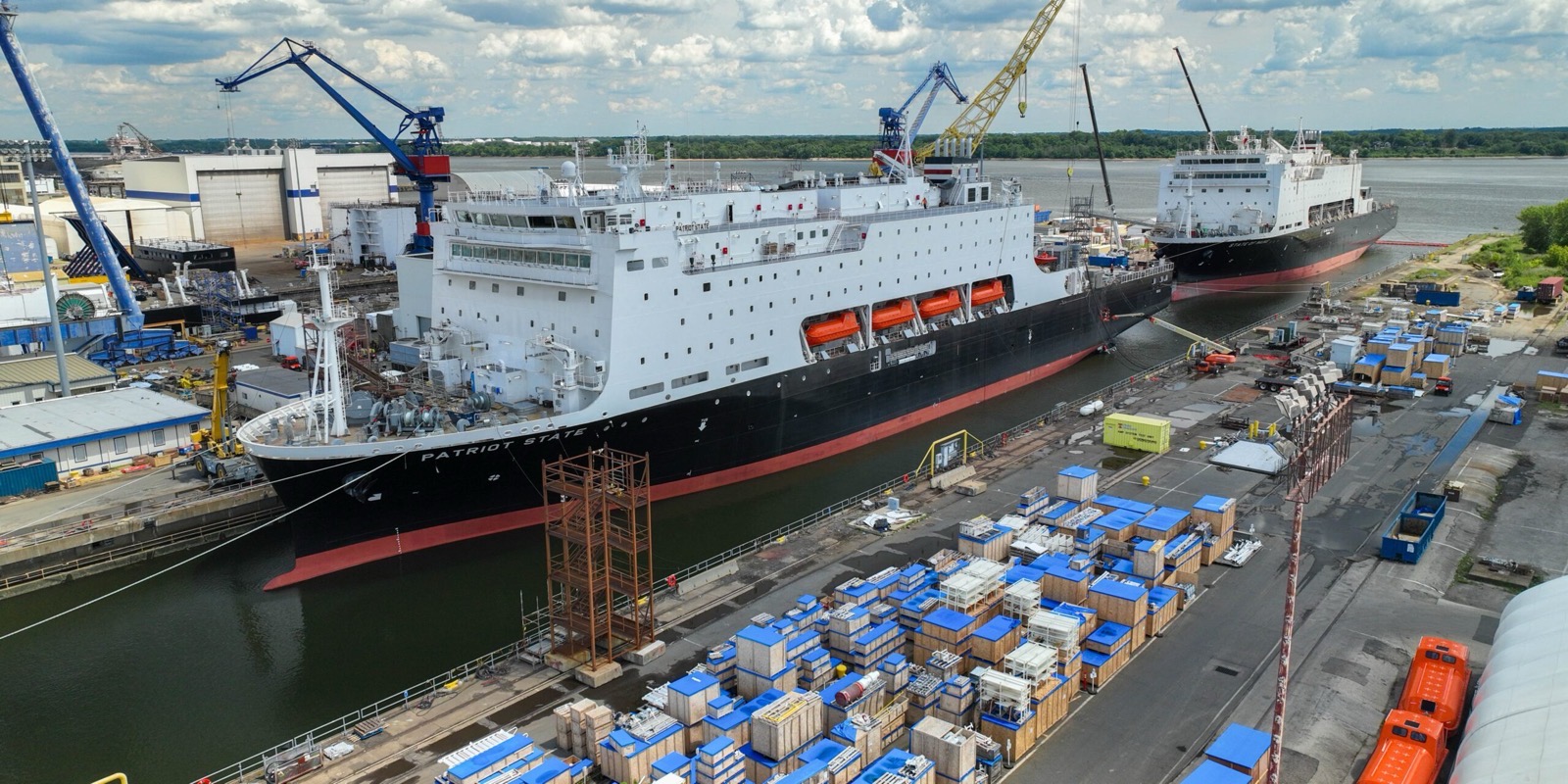
On November 2, Hanwha Philly Shipyard named Hyuk Kim president. The same week, Hanwha Defense USA said TOTE Services had selected it to build a Medium Landing Ship for the U.S. Navy and Marine Corps at the Philadelphia yard for $269 million, with options for three more ships.
Kim is a Seoul National University naval architect, born in 1977, who spent more than 25 years inside Daewoo Shipbuilding & Marine Engineering and its successor, Hanwha Ocean, then ran the Smart Vessel Business Center at Hanwha Systems. He succeeds David Kim, the Texas-born Korean American executive who helped close Hanwha’s $100 million purchase of the yard from Aker in December 2024 and, the company says, nearly doubled the workforce after the deal.
Hanwha Defense USA is moving to majority ownership of the shipyard, and Kim will report to retired Rear Admiral Tom Anderson, the former Navy Program Executive Officer for Ships who now leads Hanwha’s U.S. shipbuilding. The hire is for production: move Geoje’s cadence onto the Delaware.
Anderson put the gap in plain numbers. Hanwha Ocean’s flagship yard in South Korea delivers 35 to 45 commercial and naval vessels a year. Philly has long sat near one to one-and-a-half large ships a year. Company materials still credit the yard with roughly half of all large ocean-going Jones Act commercial ships built in the United States since 2000 — tankers and containerships for domestic trade that U.S. law says must be built here. Dual-use means keeping that commercial book while adding federal hulls.
Korean industrial capital turns into American paystubs at the gate. Hanwha has said it has already put about $200 million into the yard and talks about a multi-billion-dollar buildout that could lift headcount from roughly 1,500 to 2,000 toward several thousand more jobs over the next several years. Those figures are company plans, not a finished hiring board. Welding apprenticeships and Korean process engineers on temporary detail are the parts a cousin in South Philly or a nephew in Geoje can actually see.
The Navy work arrived before the nameplate changed. In July, the yard and TOTE were selected for Missile Range Instrumentation Vessels for the Missile Defense Agency, including a first ship nicknamed Golden Defender and due around 2030 — the first new-construction award under Hanwha ownership. The landing-ship subcontract is Hanwha Defense USA’s first contract to build for the Navy. Construction on the LSM is slated to start in the fourth quarter of 2027, with first delivery around 2030, under TOTE’s $2.2 billion vessel-construction-manager contract for a planned 35-ship Medium Landing Ship fleet.
David Kim’s chapter was the buy and the stand-up: CFIUS clearance, orange cranes, robots on steel plate, and a public pitch that Philly could someday approach Korean throughput. Hyuk Kim’s chapter is supposed to be the build rate. He has sold and planned naval ships, worked FLNG marketing out of London, and lately handled unmanned surface vessels. Anderson’s job is to translate that into U.S. Navy schedule discipline without losing the commercial line that still pays a lot of the overtime.
None of the big job targets write themselves. Skilled trades are scarce, training takes years, and South Korea–U.S. shipbuilding cooperation packages still move through politics. A $269 million hull is one ship. Options for three more are still options. Households should treat the hiring posters as real only when an offer letter and a start date show up.
If someone in the family is weighing a shipyard apprenticeship against another white-collar path, put the paycheck next to Salary Benchmarks and Market Data for First-Gen Negotiations. For Korean American professionals watching who gets the operating seat when Korean capital buys a U.S. plant, start with Bamboo Ceiling Navigation for Asian Diaspora Professionals. Keep Send Money to Korea From the U.S. nearby when a Geoje detail or a Philly overtime check starts crossing the corridor.
Hyuk Kim was hired to make more ships leave the Delaware. The $269 million award is why the calendar got serious.
Related content
Further diaspora reading
- Julie Kim takes the Takeda CEO seat as the first woman and first Korean American to lead the 245-year-old drugmaker (Generational)
- Bamboo Ceiling Navigation for Asian Diaspora Professionals (Generational)
- Foreign Firms Pressured to Invest in US Struggle to Build Supply Chains (Goldsea)
- Hanwha Offers $1.2 Billion for Shipbuilder Austal's US Operations (Goldsea)
- Send Money to Korea From the U.S. (Generational)
Generational Take
Get the next Generational Take
Get our latest practical tips and takes in your inbox. No spam.