
Julie Kim takes the Takeda CEO seat as the first woman and first Korean American to lead the 245-year-old drugmaker
Shareholders in Osaka completed an 18-month transition on June 24. The Seoul-born, Cleveland-raised executive now splits time between Boston and Tokyo with three major launches and a Japan-listed transformation agenda ahead.
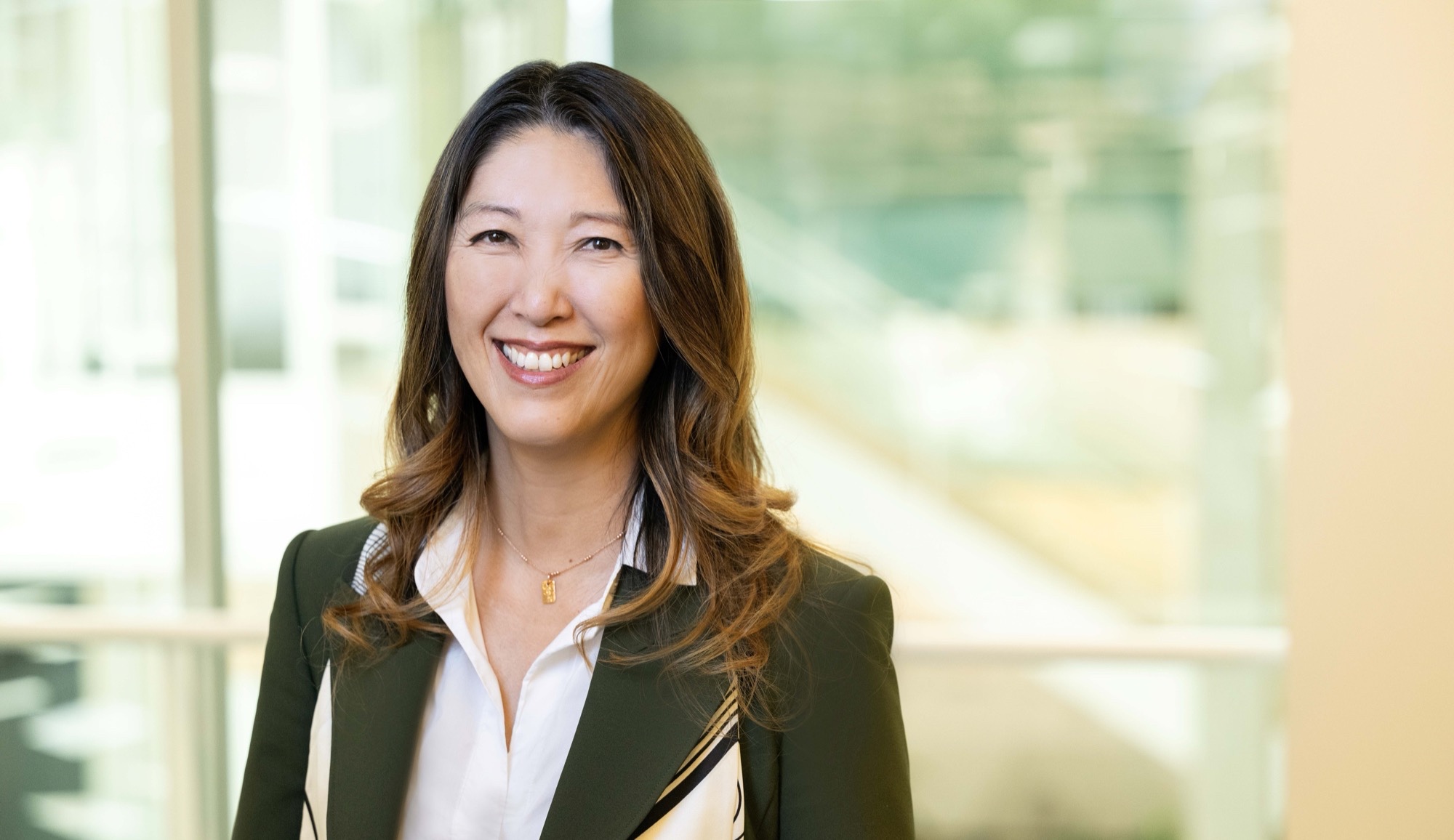
On June 24, 2026, Takeda Pharmaceutical Company Limited completed an 18-month CEO handoff. At the 150th Annual General Meeting of Shareholders in Osaka, shareholders elected Julie Kim as an internal director. The board then appointed her Representative Director, President and Chief Executive Officer. Christophe Weber, who had led Takeda for about 12 years, retired from the company and the board the same day.
For Korean American and other Asian diaspora professionals watching who gets the top job at a Japan-listed global drugmaker, the symbolism is hard to miss. Takeda’s own media materials call Kim the first woman and the first Korean American to hold the role in a company that traces its founding to 1781. She was born in Seoul in 1970, immigrated to the United States as a toddler, and was raised in Cleveland, Ohio. She now splits time between Boston and Tokyo.
The career path behind the title is a long corridor through legacy U.S. and European pharma, not a sudden jump from a national subsidiary. Kim holds a bachelor’s degree in economics from Dartmouth College and an MBA from Northwestern’s Kellogg School of Management. She entered the industry in 2001 at Baxter International after consulting work, then moved through Baxalta and Shire as those businesses were carved, sold, and recombined.
Takeda completed its roughly $62 billion acquisition of Shire in 2019, still widely cited as the largest takeover of a foreign company by a Japanese firm. Kim joined Takeda through that deal and has been on the executive team since. She rebuilt the Plasma-Derived Therapies Business Unit, then became president of the U.S. Business Unit and U.S. country head. Company materials say the U.S. unit accounts for nearly half of Takeda’s revenue. In January 2025, the board named her CEO-elect for a June 2026 start.
That U.S. chapter is where diaspora household finance meets big pharma strategy. The U.S. market sets pricing fights, Medicare negotiation timelines under the Inflation Reduction Act, and tariff headlines that ripple into global planning. Kim also chairs PhRMA’s International Committee and sits on PhRMA’s board, while serving as a Boston Public Library trustee and a member of the Council of Korean Americans. The dual Boston-Tokyo calendar is familiar to Korean American executives who keep one foot in U.S. schools and caregiving and another in Asia headquarters calendars.
Her near-term scorecard is unusually concrete for a first week on the job. In Takeda’s Meet Julie Kim materials and investor messaging around the succession, she has prioritized three planned launches over roughly the next 12 months: oveporexton for narcolepsy type 1, rusfertide for polycythemia vera, and zasocitinib for psoriasis, plus five additional late-stage assets behind them. In March 2026, while still CEO-elect, she backed a transformation program expected to deliver more than JPY 200 billion in annualized gross savings by fiscal 2028, with savings meant to help fund launch and pipeline investment rather than sit as pure cost-cutting theater.
Investors will also watch return on equity. Company communications around the transformation and Horizon One period have pointed to bringing reported earnings power up so ROE can sit above about 5% within roughly two to three years, even while launch investment keeps core operating profit growth muted in the near term. That is the kind of public target that turns a “first” appointment into a quarterly exam.
Representation still matters in the hallway conversation. Asian American professionals remain underrepresented in C-suite seats relative to mid-level technical and commercial talent, a pattern many readers know as the bamboo ceiling. Kim’s path mixed deep operating P&L work, multi-country general-manager experience in the U.K. and Ireland, access and pricing roles at Shire, and then ownership of Takeda’s largest commercial market before the CEO title. Boards that say they want global CEOs still often promote people who have already run the hardest geography and survived a megamerger integration.
None of that guarantees successful launches, smoother Japan-U.S. board dynamics, or an easy restructuring for employees caught in the operating-model redesign. Takeda faces loss-of-exclusivity pressure on older brands, policy risk in Washington, and the usual late-stage clinical and commercial uncertainty on new assets. Kim has talked about staying for a long tenure if shareholders keep renewing her, which is the right framing for a company that thinks in decades, not quarters.
For diaspora readers building careers in life sciences, consulting, or any Japan-U.S. dual-hq firm, the practical takeaway is the sequence. Learn a hard commercial or access skill, take a country or franchise P&L, stay close to the market that drives half the revenue, and treat succession timelines measured in years as normal rather than as a slight. Keep your own household file current when your employer’s center of gravity shifts continents: benefits, tax residency questions, and family support across Korea and the U.S. do not update themselves when a press release lands.
Start with Bamboo Ceiling Navigation for Asian Diaspora Professionals and First-Gen and Immigrant Layers of the Bamboo Ceiling. If your family money still moves on the Korea corridor while you work a U.S. or Japan job, keep Send Money to Korea From the U.S. beside your career plan so a promotion abroad does not quietly break the remittance math at home.
Related content
Generational Take
Get the next Generational Take
Get our latest practical tips and takes in your inbox. No spam.