
Anthropic locks nearly $900B of compute years ahead. Customers still pay by the token.
Q3 revenue rose 47% from the prior quarter, slower than the prior surge, and Anthropic spent $5 billion on expensive short-term capacity. The IPO hang-up is timing: multi-year take-or-pay bills versus metered Claude usage.
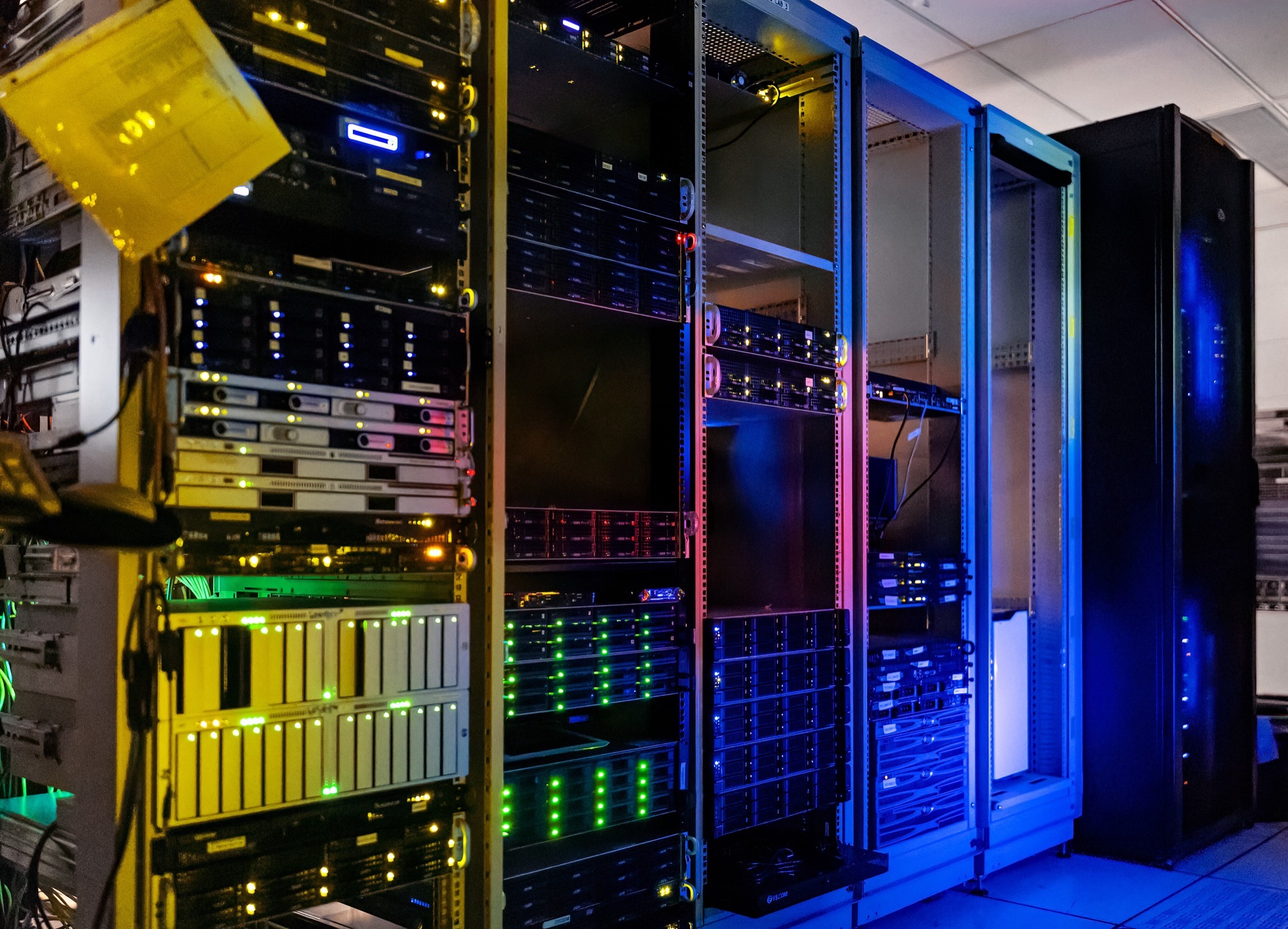
Anthropic's amended IPO filing on November 2 put a harder number on the bill behind Claude, the company's AI models and apps. Purchase and lease commitments for compute and infrastructure now total about $895.4 billion. About $69.8 billion comes due in the twelve months after September 30. Roughly $447.5 billion, nearly half the total, is expected before the end of 2030.
Those are bills Anthropic will owe whether or not every reserved hour of capacity turns into paying customer work. The same filing shows third-quarter sales of $16.96 billion, up 47% from the prior quarter and a step down from the 144% jump in the second quarter. Reuters highlighted that slowdown ahead of the IPO. Anthropic also warned that some partners who supply the capacity depend on outside financing. If that credit thins, contracted chips and buildings can arrive late, cost more, shrink, or never show up.
Anyone who has signed a multi-year lease before next year's clients were locked knows this shape. Anthropic typically books capacity twelve to eighteen months before the machines are ready. Many contracts include take-or-pay or minimum-purchase terms, so the company pays even when reserved hours sit idle. Customers mostly pay the other way, by use. Enterprises and developers open Claude when they need it. They do not sign a matching multi-year check for every rack Anthropic reserved. A planned Nasdaq listing under the ticker ANT has to answer whether usage grows fast enough, soon enough, to cover those earlier bills.
The third quarter already showed the clocks slipping. Compute and infrastructure expense rose to $9.86 billion, or 58% of revenue, from $5.56 billion and 48% a quarter earlier. Inside that line sat $5.0 billion of short-term compute that Anthropic says currently costs significantly more than capacity bought under multi-year deals. Demand ran ahead of the long pipeline, so the company paid up to keep serving customers. Operating results swung from a $974 million profit in the second quarter to a $567 million loss in the third. The filing ties that swing mainly to the short-term capacity and to $2.0 billion of non-cash charges from a donation-matching program.
Near-term cash still covers the next year of contracted spend. Anthropic ended September with $95.6 billion in cash and $36.3 billion in short-term investments, about $132 billion against the $69.8 billion due soon. The full $895 billion commitment is roughly seven times that cushion, so growth has to carry the later years. Price cuts and contractual discounts also trimmed about $600 million from sequential revenue. Winning usage can mean charging less per token while the infrastructure bill climbs.
Dario Amodei, Anthropic's chief executive and co-founder, and Daniela Amodei, its president and board chair, will take that story on a roadshow expected as soon as the week of November 9. Investors will hear that more than 11,900 customers already generate at least $100,000 in trailing twelve-month revenue, up from more than 1,500 at the end of 2025. What they will press on is how the company pays for the machines those customers run on. Anthropic is listing as a public-benefit corporation, with a Long-Term Benefit Trust set to elect a majority of the board.
Amazon, Google, and Microsoft sit on several sides of that question at once: they supply capacity, invest, distribute, and compete. Broadcom is a major equipment lessor in the commitment stack. Anthropic is also building Anthropic Direct, a hybrid path that leases chips and hosts them in dedicated facilities. That lets the company reserve data-center space earlier and wait on the larger accelerator spend until demand looks clearer. The filing says the setup should replace expensive short-term capacity as dedicated infrastructure comes online.
If you already hold AI-stack names in a 401(k), or track RSUs at a chip, memory, or networking employer, this is the calendar behind the product demo. Arista's switch-sales beat and Apple's memory-cost warning are receipts from the same buildout. RSU Vest Day Playbook for Diaspora Households keeps personal vest math separate from whether a lab's usage curve matches its lease schedule.
Treat the GAAP net loss carefully. It still swings with fair-value marks on convertibles and related instruments, so the operating line is the cleaner view of the business. Prospective buyers have talked valuations nearer $1.5 trillion to $1.6 trillion, below earlier chatter near $2 trillion, and the filing still leaves share count and price range blank. Partner financing risk cuts both ways: capacity that fails to arrive can slow product roadmaps even when demand is real.
Claude usage can keep climbing and still leave Anthropic squeezed if multi-year compute payments land before the metered checks that are supposed to fund them. The third quarter's short-term premium capacity was an early receipt for that gap. Investors pricing the IPO are deciding how soon they think those two clocks catch up.
Related content
Further diaspora reading
- Arista grows 58.5% as AI clusters need more switches. The networking bill is catching up to the GPUs. (Generational)
- Apple calls memory prices 'unprecedented.' Holiday margins drop as AI servers take the chips. (Generational)
- RSU Vest Day Playbook for Diaspora Households (Generational)
- How Hock Tan Built Broadcom into an Indispensable Power in the AI Boom (Goldsea)
- Anthropic Unveils Claude Duet AI Agent App (Goldsea)
Generational Take
Get the next Generational Take
Get our latest practical tips and takes in your inbox. No spam.