
Your Dependent-Care FSA Election Is a Bet on Next Year’s Childcare Bill.
For 2027 open enrollment, the federal exclusion tops out at $7,500 if your plan allows it. Size a year-round daycare election and a school-break election to expected eligible care and the plan’s own cap, not the IRS figure alone.
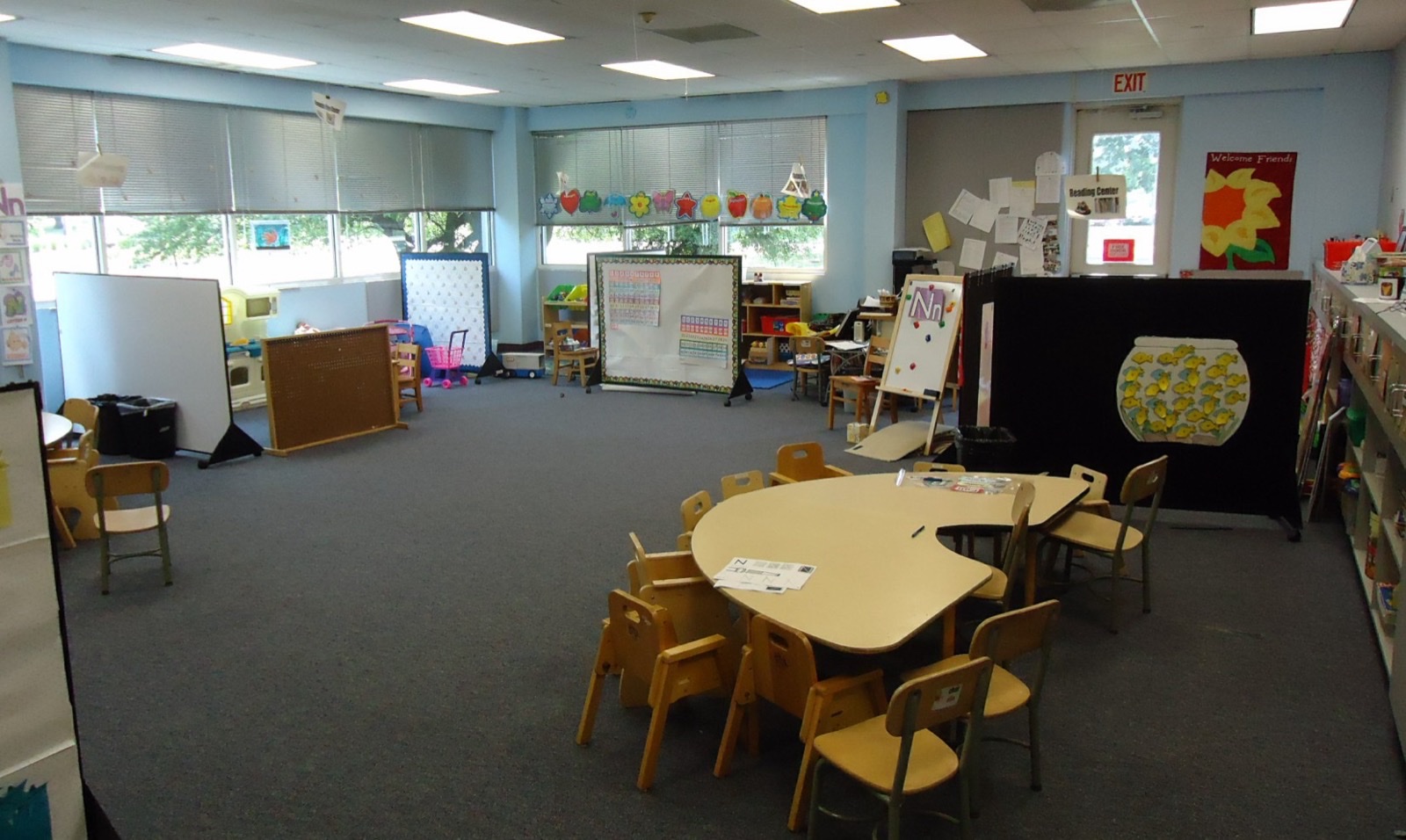
Open enrollment asks for a Dependent Care FSA number months before next year’s care invoices land. The figure should match the work-related care you expect to buy, not a ceiling you feel obliged to fill. For tax years beginning in 2026, IRC section 129 raised the federal exclusion to $7,500 for most filers, or $3,750 if you are married filing separately. IRS Publication 15-B for 2026 and the agency’s W-2 correction confirm that ceiling. Your employer’s plan still has to offer it.
Take two households on the same open-enrollment screen. Both file jointly. Both spouses have earned income. Each has one child under 13. Household A pays a full-time daycare center $1,150 a month, or $13,800 for the year. Child Care Aware of America’s 2025 national average for child care sits nearby, about $13,184 a year. Their summary plan description sets the 2027 Dependent Care FSA maximum at $7,500 and adds a grace period through March 15 for incurring care against a leftover balance. They elect $7,500. On a semi-monthly paycheck that is about $312.50 before taxes each period. The rest of the daycare bill stays outside the account.
Two 2027 elections, same tax year, different care calendars
Both households file jointly, both spouses have earned income, and each has one child under 13. Use these as planning samples. Confirm your plan maximum and your own invoices.
| Household | Expected eligible care for 2027 | Employer plan rule | Election |
|---|---|---|---|
| Year-round daycare | $1,150 a month × 12 = $13,800 full-time center care | Plan adopted the $7,500 federal maximum; grace period through March 15 | $7,500 (plan and federal ceiling) |
| School-break and after-school care | $2,520 after-school + $3,000 summer day camp = $5,520 (overnight camp left out) | Plan still caps elections at $5,000 | $5,000 (plan maximum) |
Federal Dependent Care FSA exclusion at a glance
This is the tax-free ceiling under IRC section 129. Your employer can offer less. Married filing separately is half.
| Item | 2026 and 2027 |
|---|---|
| Exclusion if single or married filing jointly | $7,500 |
| Exclusion if married filing separately | $3,750 |
| Carryover of unused Dependent Care FSA balance | Not allowed |
| Grace period to incur expenses after plan year | Only if the plan offers one (often 2½ months) |
| Reimbursement timing | Usually only up to amounts already contributed |
Source: IRS Pub. 15-B (2026); IRS Child and Dependent Care Credit information
Household B’s child is in school. After-school care runs about $280 a month for nine months, or $2,520. Summer day camp is eight weeks at $375 a week, or $3,000. A one-week overnight camp at $1,100 looks like childcare on the family calendar, but Publication 503 treats overnight camp as ineligible. Leave it out and expected eligible care is about $5,520. Their employer never raised the plan maximum above $5,000. Plenty of sponsors keep a lower cap so the plan can still pass nondiscrimination testing when higher earners would otherwise take the bigger limit. They elect $5,000, the plan cap, even though the IRS exclusion is higher and their eligible care is a little higher still.
The same federal rules apply to both. Dependent care assistance has to cover a qualifying person, usually a child under 13, so you can work or look for work. Daycare, preschool below kindergarten, before- and after-school care, and day camp can count. Kindergarten tuition, tutoring billed as school, and overnight camp generally do not. The exclusion cannot exceed your earned income, or the lesser earned income of either spouse if you are married. Reimbursement usually tracks only what you have already contributed year to date, so a big January camp deposit can arrive before enough money has left payroll. Unused Dependent Care FSA balances do not carry over the way a Health FSA sometimes can. If the plan offers a grace period, you may still incur care for a short window after Dec. 31. The run-out period only says when claims must be filed.
Form 2441 is where the exclusion meets the Child and Dependent Care Credit. You cannot use the same dollars twice. Expenses paid through the FSA shrink the expense base for the credit, and excluding the full $7,500 will usually leave no room for a current-year credit on those same children. Provider names and taxpayer identification numbers still belong on the return. Midyear, the election usually stays locked unless a qualifying life event fits the plan’s rules.
Households that mix grandparent weeks with paid care should forecast only the paid, work-related weeks. Care from a relative can qualify when that relative is not your spouse, not your under-19 child, and not someone you claim as a dependent, but the administrator still needs an invoice and a TIN. Put the FSA election beside rent and any standing family support in the Family Support Budget Calculator. Childcare Cost Benchmarks for Diaspora Working Parents helps size the gross bill. Employer Benefits Open Enrollment Basics for First-Gen Professionals covers the rest of the benefits screen.
Before you lock the number, open the plan document for the 2027 maximum, grace period, and claim deadline. Add the invoices you already have for daycare, after-school care, and day camp. Subtract anything Publication 503 would reject. Elect the smaller of that eligible total and the plan’s cap. Choosing the IRS ceiling when your care calendar is lighter is how money gets forfeited.
This is educational reporting on IRS Dependent Care FSA and IRC section 129 rules, not tax or benefits advice. Confirm your employer’s plan limit and your own expected eligible expenses before you elect.
Related content
Further diaspora reading
- Employer Benefits Open Enrollment Basics for First-Gen Professionals (Generational)
- Childcare Cost Benchmarks for Diaspora Working Parents (Generational)
- How to Plan Remittances Without Derailing Retirement (Generational)
- Highs and Lows of Asian Multi-Generational Living (Goldsea)
- The 2027 401(k) Max Is $25,500. What Does That Look Like on Your Paycheck? (Generational)
Generational Take
Get the next Generational Take
Get our latest practical tips and takes in your inbox. No spam.