
94% of office workers say crossing off a paper list beats a digital checkbox. Gen Z is restocking the desk.
Quill’s America’s Office Nostalgia survey finds paper to-do lists still outscore apps for satisfaction, with Gen Z twice as likely as boomers to handwrite meeting notes and leaning into premium planners and desk personalization to push back on notification fatigue.
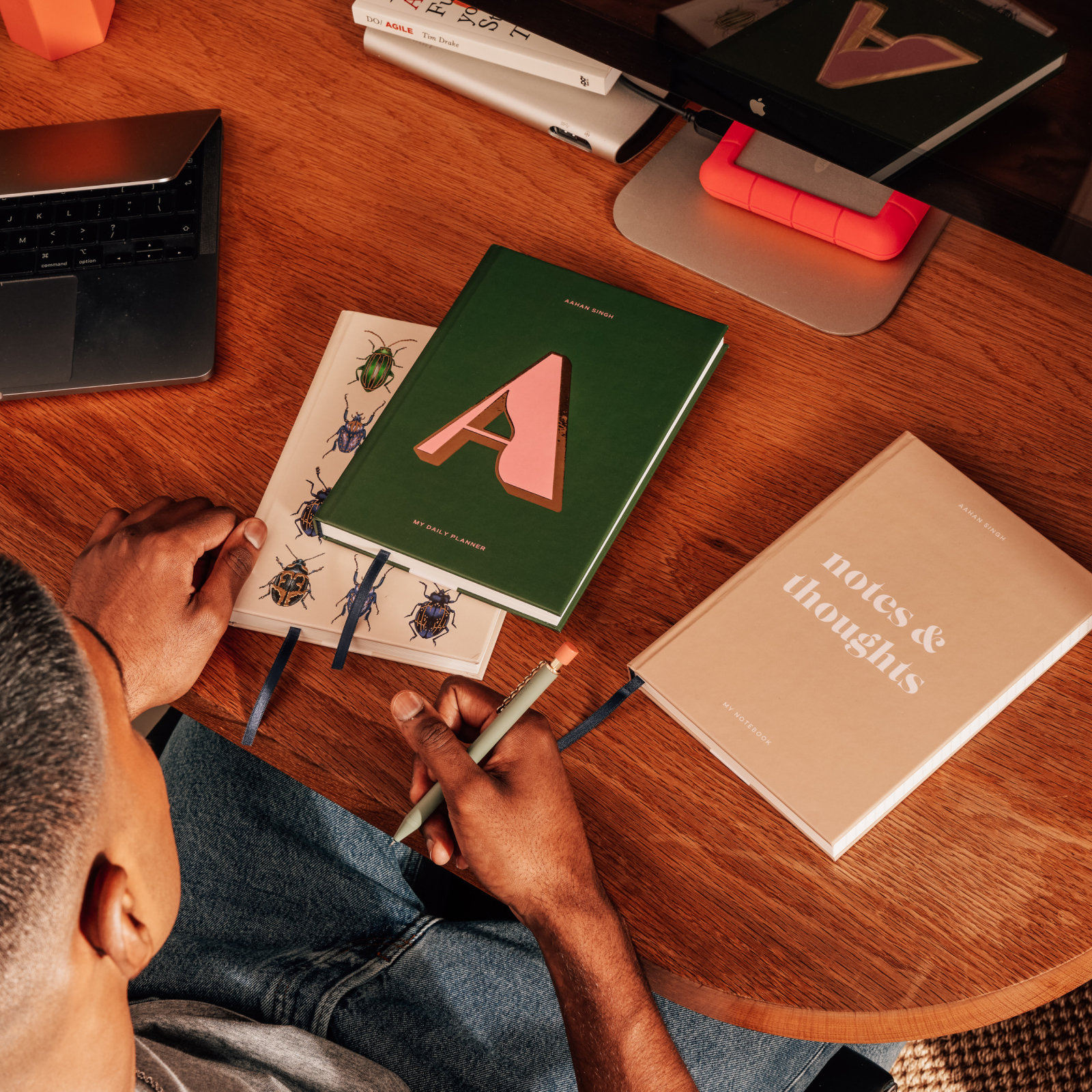
Ninety-four percent of office workers say physically crossing an item off a written to-do list feels more satisfying than checking a digital box. That is the sharpest finding from America’s Office Nostalgia, a May 2026 survey Quill commissioned from KRC Research among 1,000 U.S. adults who work at small and mid-sized businesses in traditional or hybrid offices. Quill is the Staples subsidiary that ships workplace supplies without a big-box storefront. Nearly half of the same workers (48 percent) go further and call a physical list a “far superior” habit to any digital task app.
The analog push is not coming from people who never learned Slack. Gen Z and millennials are twice as likely as boomers to prefer handwriting notes in a meeting over typing on a laptop, 50 percent versus 25 percent. Fifty-six percent of Gen Z workers say leaving a Post-it beats sending a direct message, compared with 30 percent of boomers. About one in three workers in Business Insider’s coverage of the Quill research said the constant stream of Slack, email, and Teams pings makes them long for more analog ways of working. The paper is a reaction to the ping, not a rejection of the job.
Gil Grandbois, the head of Quill, told Business Insider that younger employees are also buying up the aisle. Demand is stronger for premium notebooks, colorful leather desk pads, and higher-end pens that show personality, not only the cheapest pack of legal pads. In Quill’s survey, 23 percent of Gen Z and millennial workers say high-quality analog supplies would boost their motivation as much as top-of-the-line tech upgrades. More than a third (35 to 36 percent) treat desk aesthetic as an extension of their personal brand.
That brand language can sound like marketing until you watch how diaspora professionals actually use a permanent desk. Jessie Lei, an HR worker interviewed by Business Insider, pinned Post-its to his monitor, doodled on sticky notes between meetings, and kept Japanese kokeshi dolls and a thrifted tea station at a former workspace. Handwriting, he said, helped him focus and remember better than typing. Calvin Lee, who works at anime streamer Crunchyroll in San Francisco, said an assigned desk made return-to-office feel workable because he could build a maximalist station with Pokémon sticky pads, Genshin pens, and stickers. Hot desks erase that. Paper and objects mark a seat as yours when the rest of the day lives in shared channels.
Notification fatigue is the survey’s quieter core. More than one-third of Quill respondents said the expectation to be constantly available on Slack, Teams, or email is the most exhausting piece of modern work that makes them nostalgic for earlier rhythms. Thirty-six percent miss spontaneous lunches and coffee breaks. Mark Czupryna, Quill’s creative director, framed the company’s 70th-anniversary move in the same language: people still want experiences that feel tangible, intentional, and human when nearly everything else sits on a screen. In June 2026 Quill relaunched a limited-edition print catalog you can flip, call into, or scan with QR codes, a coffee-table lookbook timed to the research.
Retailers outside the B2B catalog aisle are counting the same shift. Papier, the London-founded personalized stationery brand led by CEO Taymoor Atighetchi, roughly doubled sales between 2022 and 2025 and reported more than £40 million (about $54 million) for the year ending January 2026. Gen Z now makes up about 35 to 40 percent of its customers. Atighetchi has said millennials often meet stationery as nostalgia, while Gen Z treats it as a novelty discovery. Notecards rose 33 percent year over year in 2025; writing paper rose 23 percent. The Business Research Company puts the global luxury writing-instruments and stationery market near $4.33 billion in 2025 and about $4.53 billion in 2026. Premium paper is a small line item with a loud cultural signal.
For first-gen and immigrant-household professionals, the paper habit can do double duty. A Slack-free list can hold the work sprint and the Friday remittance, the parent’s clinic visit, and the sibling group-chat money ask without opening another app that pings at dinner. Japanese and Korean stationery culture already travels through diaspora TikTok and desk setups; Hobonichi-style planners and gel pens are less exotic at many AAPI desks than a new AI meeting-summary bot. The point is not Luddism. It is choosing one channel that does not interrupt you back.
Leah M. Omilion-Hodges, a Western Michigan University professor who studies leadership communication, told Business Insider that decorative notebooks and personalized desks are not only aesthetics. Gen Z, she said, brings intention and honesty to work and rejects the idea that there is one rigid right way to finish a task. Crossing a line through a written item is a tiny ritual of completion in a day of unfinished threads. Employers chasing AI productivity tools might notice that their youngest hires are buying focus with a $20 notebook.
Paper does not mean ditching Asana or the laptop. Hybrid offices still run on shared calendars, and paper lists do not file themselves for compliance. The practical upgrade is narrower: keep a physical daily list for the three to five tasks that actually move the week, park family-money and care admin on the same page if those obligations share your paycheck, and personalize an assigned desk enough that return-to-office feels like a place you can think. If your workplace only offers hot desks, a portable planner and a small kit of pens still travel better than another browser tab.
Career pressure still sits beside the stationery haul. Bamboo Ceiling Navigation for Asian Diaspora Professionals and Career Negotiation When You Were Raised Not to Ask cover the promotion and pay conversations a prettier desk will not solve. Model Minority Stereotypes and the Bamboo Ceiling at Work and First-Gen and Immigrant Layers of the Bamboo Ceiling map the identity load that makes focus feel scarce. When equity vest days collide with family sends, keep RSU Vest Day Playbook for Diaspora Households and the Family Support Budget Calculator next to the planner.
Treat Quill’s numbers as a culture signal from SMB office and hybrid workers, not a medical claim about memory or a mandate to abandon digital tools. Preferences vary by job, disability access, and whether your workplace even allows personal desk décor. The useful read is simpler: the generation raised on notifications is buying paper to get a few quiet completions back.
The useful souvenir from Quill’s anniversary research is smaller than a catalog: a line you can draw through a finished task, on a desk that still looks like a person sits there.
Related content
Further diaspora reading
- Gen-Z Workers Most Worried About AI, Boomers Least (Goldsea)
- Bamboo Ceiling Navigation for Asian Diaspora Professionals (Generational)
- Career Negotiation When You Were Raised Not to Ask (Generational)
- Model Minority Stereotypes and the Bamboo Ceiling at Work (Generational)
- First-Gen and Immigrant Layers of the Bamboo Ceiling (Generational)
Generational Take
Get the next Generational Take
Get our latest practical tips and takes in your inbox. No spam.