
Pakistan’s remittances hit a record $41.6 billion, just as central-bank reward points stop
State Bank of Pakistan data put FY26 workers’ remittances at $41.6 billion, up 8.6%. The U.S. sent about $3.6 billion, while Sohni Dharti reward points stopped accruing on July 1.
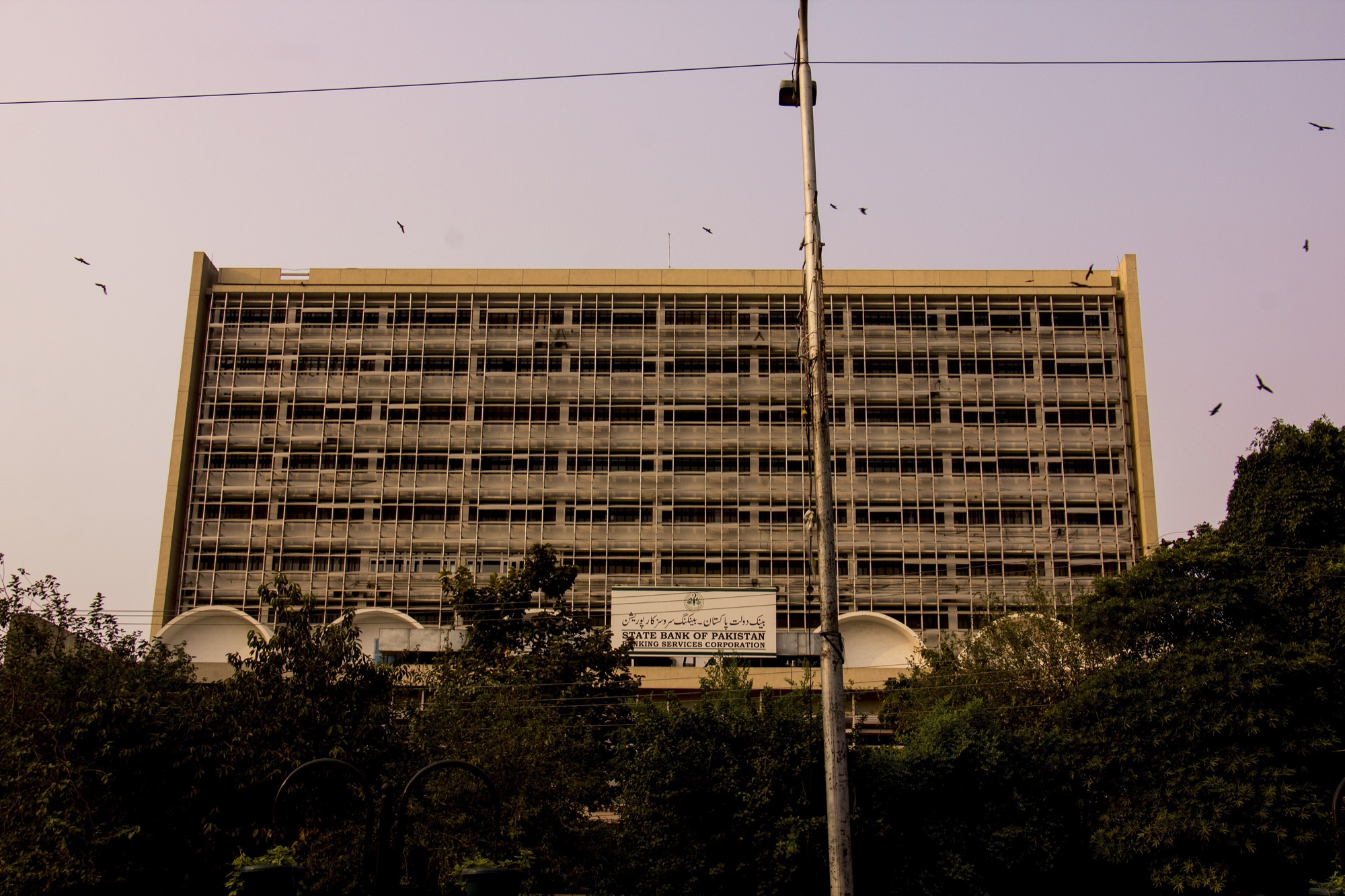
Overseas Pakistanis sent a record $41.6 billion in workers’ remittances in fiscal year 2025-26, the State Bank of Pakistan reported in early July, up 8.6% from $38.3 billion the year before. June alone came in around $3.5 billion, up 2% year over year even after an 18% drop from a festival-boosted May.
For Pakistani American households, that is a national print, not a permission slip to raise every PKR wire. Gulf corridors still dominate the table. SBP figures put Saudi Arabia near $9.78 billion and the UAE near $8.81 billion for the full year, with the United Kingdom around $6.33 billion. The United States contributed about $3.62 billion across FY26, including roughly $297 million in June.
The record lands beside a policy rewind. From July 1, 2026, the State Bank stopped awarding new reward points under the Sohni Dharti Remittance Programme. Points earned on eligible transfers through June 30, 2026, remain redeemable through June 30, 2027, after which the scheme shuts fully. Separately, the bank discontinued the Telegraphic Transfer Charges Incentive Scheme for banks while telling authorized dealers to keep qualifying home remittances free of cost for senders and beneficiaries.
Those incentive changes matter for formal-channel habits more than for any one New Jersey or Houston household’s monthly bill. If relatives abroad had treated reward points as part of the reason to use a bank rail, July’s record year and July’s program wind-down can sit in the same family chat. The useful local question is still net rupees delivered, fee, and timing, not whether a loyalty ledger in Karachi still accrues.
Pakistan’s remittance map is still Gulf-heavy in a way India’s recent survey mix is not. That does not make the U.S. corridor small for the families who live it. About $3.6 billion from the United States is enough to fund countless parent rents, school fees, and medical bills, and it is large enough that a fee or FX swing in New York still shows up as a short deposit in a Pakistani bank account the next morning.
Seasonality remains loud. May’s spike around Eid can reset expectations if nobody names the extra as a one-month cost. U.S. senders also still face the 2026 federal remittance transfer tax on certain cash, money-order, and similar physical funding methods, while many account- and card-funded transfers sit outside that tax. A strong SBP year does not change that funding choice.
Keep sibling roles honest. If one person covers parents’ monthly expenses while another covers school fees or hospital spikes in Lahore, Karachi, or a smaller city, write the split down. A $41.6 billion headline will not prevent double-paying the same bill or converting overtime into a permanent expectation. When one sibling is in the Gulf and another is in the U.S., compare net PKR and delivery method, not only the USD or dirham amount each person sent.
Treat the FY26 total as a corridor health check, not a household to-do list. If your send already fits retirement and rent, a record year is context. If relatives read $41.6 billion as proof you can raise the baseline, bring the conversation back to net PKR delivered and the U.S. lines that fund it.
For a calmer next step, open the Pakistan corridor page for destination context, compare two quotes in the Remittance Fee Comparator, and put the monthly amount through the Family Support Budget Calculator so the PKR line sits beside housing and savings. When you need deeper rails and receiving details, read Send Money to Pakistan from the U.S..
Related content
Generational Take
Get the next Generational Take
Get our latest practical tips and takes in your inbox. No spam.