
MIT AgeLab and NIC are spending three years reimagining senior living. Boomers will not buy the old model.
The industry data shop and MIT’s longevity lab launched Reimagining the Future of Senior Living to study what next residents want from housing, health, tech, and lifestyle. For diaspora families already juggling home care and filial duty, the stake is whether professional senior living can feel like a choice, not a last resort.
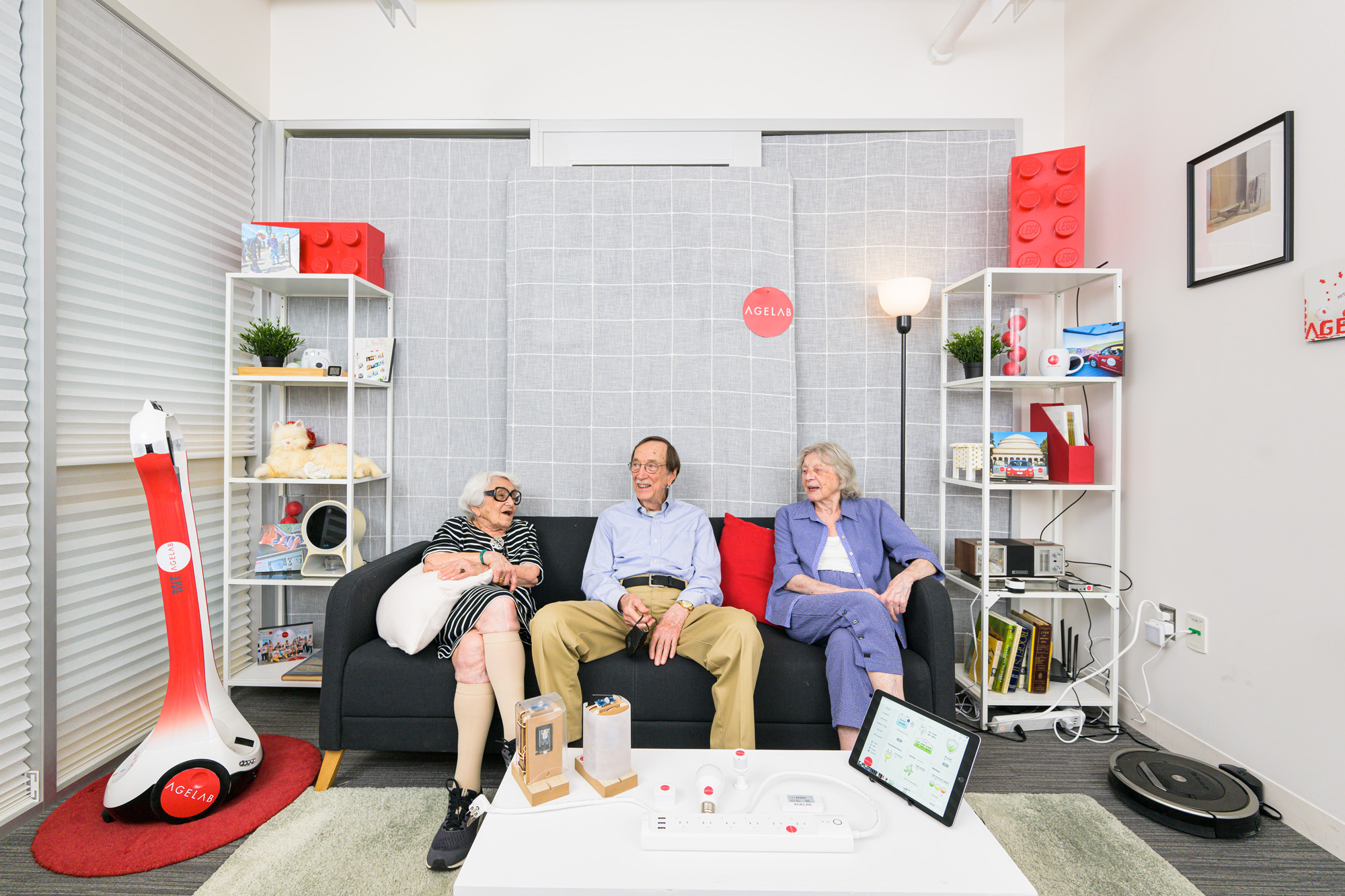
The National Investment Center for Seniors Housing & Care and the MIT AgeLab have opened a three-year project with a blunt premise: the next wave of older adults will not quietly accept the senior living model built for their parents. The collaboration, announced August 5 and titled Reimagining the Future of Senior Living, is meant to map what people actually want from housing, health, technology, wellness, and lifestyle before operators keep building yesterday’s product at scale.
NIC is the Annapolis nonprofit that investors and operators lean on for senior housing data, including its NIC MAP market series. The MIT AgeLab is a Cambridge research lab that studies longevity, consumer behavior, and the tech and services that make longer lives livable. Pairing them is a bet that demography alone will not fill buildings if the product still feels institutional.
Ray Braun, NIC’s president and CEO, put the stakes in generational terms. Differences emerging over the next several decades will redefine wants and expectations, he said, and the sector has to rethink offerings so future residents have communities they are proud to call home. That is investor language for a consumer problem families already feel: many people delay a move until crisis, then resent a setting that looks like a hospital with nicer wallpaper.
Joseph F. Coughlin, who directs the AgeLab and wrote The Longevity Economy, frames the home as more than an address. In the launch materials he calls it an extension of lifestyle and a services platform for the next phase of life. The study’s hope, he said, is not only to polish today’s successful models but to expand offerings that “excite and delight” tomorrow’s older adults and their families. For adult children shopping tours on a Saturday, delight is the opposite of a brochure that leads with medication carts.
The research plan is wide on purpose. NIC says the work will include cross-sector data reviews, generational brand research, industry working groups, roundtables, and national surveys with next-generation consumers. AgeLab’s mixed-methods approach will pull lessons from financial services, healthcare, hospitality, pharmaceuticals, retail, and technology, sectors where boomers already expect apps, memberships, and branded experiences. The point is to stop designing senior living as if those habits stop at age 75.
Lisa McCracken, NIC’s head of research and analytics, told Senior Housing News the goal is a product that stays relevant for generations ahead and can reach a larger cohort than the industry touches today. A full study is planned after three years, with smaller findings released along the way and an advisory committee focused on industry “so what,” according to McKnight’s Senior Living. Families should treat those interim shares as early clues, not a finished playbook for a parent’s next move.
Operators are paying for a seat at the table. NIC is funding the collaboration with support from a dozen senior-living operators, including Benchmark Senior Living, HumanGood, National Church Residences, Merrill Gardens, and Presbyterian Homes & Services. Merrill Gardens president Tana Gall told Senior Housing News the industry needs AgeLab’s consumer work to understand what the next generation really wants. When operators write checks for research, they are admitting the status quo is not enough.
The market backdrop makes the timing less academic. NIC MAP data for the second quarter of 2026 put senior housing occupancy near 90 percent in primary markets, with half of those metros already at or above that line and construction running historically thin. Demand is strong. The open question is whether tomorrow’s residents will keep filling inventory that still reads as institutional care, or whether they will keep aging at home, inventing co-housing, or waiting until a fall forces the decision.
Boomers have spent decades training brands to treat them as choosers. Industry reporting over the past year has been blunt that many reject nursing-home aesthetics, batch activities, and loss of agency. They want independence, wellness, connectivity, and communities that still feel like life. Adult children, often the real decision-makers, shop with the same eye. Coughlin has argued elsewhere that senior housing has to move from places to platforms: curated lifestyle, not only beds and dining hours. The NIC partnership is that thesis with a three-year research budget.
Diaspora households hear a second layer. Pew Research has found about one in four Asian American adults in multigenerational homes, far above white households, and filial care norms still make nursing homes a hard sell in many families. That preference can be love and logistics at once. It can also burn out the daughter who translates every Medicare letter. Culturally fluent, aspirational senior living, when it exists, can be a bridge rather than a betrayal. Operators who only study a generic “boomer” without language, food, temple or church calendars, and immigrant paperwork will miss a large share of the next market.
Not every parent needs a community tour next week. Aging in place with home care, accessible housing upgrades, or a relative moving in can still be the right plan. The study matters because the industry is finally treating preference as design input, not a marketing slogan. For sandwich readers, the practical habit is simpler: ask what your parents would be proud to show a visitor, what tech they already trust, and what care they refuse, then keep that list next to cost worksheets before anyone signs a deposit.
Use the Parent Care Cost Planner to compare home care, multigenerational housing, and community fees on the same page. Multigenerational Housing When Parents Move In or You Move Home and Hiring Home Care for Aging Immigrant Parents Basics cover the paths that still keep parents outside institutional walls. When bills and siblings collide, Parent Care Cost Benchmarks for Diaspora Adult Children and the Family Support Budget Calculator keep the conversation in numbers instead of guilt.
Three years is a long wait for a full report. Interim shares at NIC conferences will be the early reads. Until then, the launch itself is the news: senior living’s research shop and MIT’s longevity lab are admitting that pride of place, not only occupancy rates, will decide who moves in.
Related content
Guides
- Multigenerational Housing When Parents Move In or You Move Home
- Parent Care Cost Benchmarks for Diaspora Adult Children
- Hiring Home Care for Aging Immigrant Parents: Basics
- Medicare and Medicaid Paperwork Barriers for Limited-English Parents
- Caregiver Costs and Retirement Delay Benchmarks for Employed Adult Children
Further diaspora reading
- A Proposed $10,000 Tax Credit Could Make Aging in Place More Affordable (Generational)
- Family Caregivers Aren’t Only Spending Money. They’re Losing Years of Retirement Savings (Generational)
- Multigenerational Housing When Parents Move In or You Move Home (Generational)
- Parent Care Cost Benchmarks for Diaspora Adult Children (Generational)
- Highs and Lows of Asian Multi-Generational Living (Goldsea)
Generational Take
Get the next Generational Take
Get our latest practical tips and takes in your inbox. No spam.