
Nasdaq just set a record. Groceries still cost a third more than in 2019.
A few AI names and looped chip-and-cloud deals are lifting the index. Grocery prices are still about a third above 2019, and a quarter of households have no emergency cash.
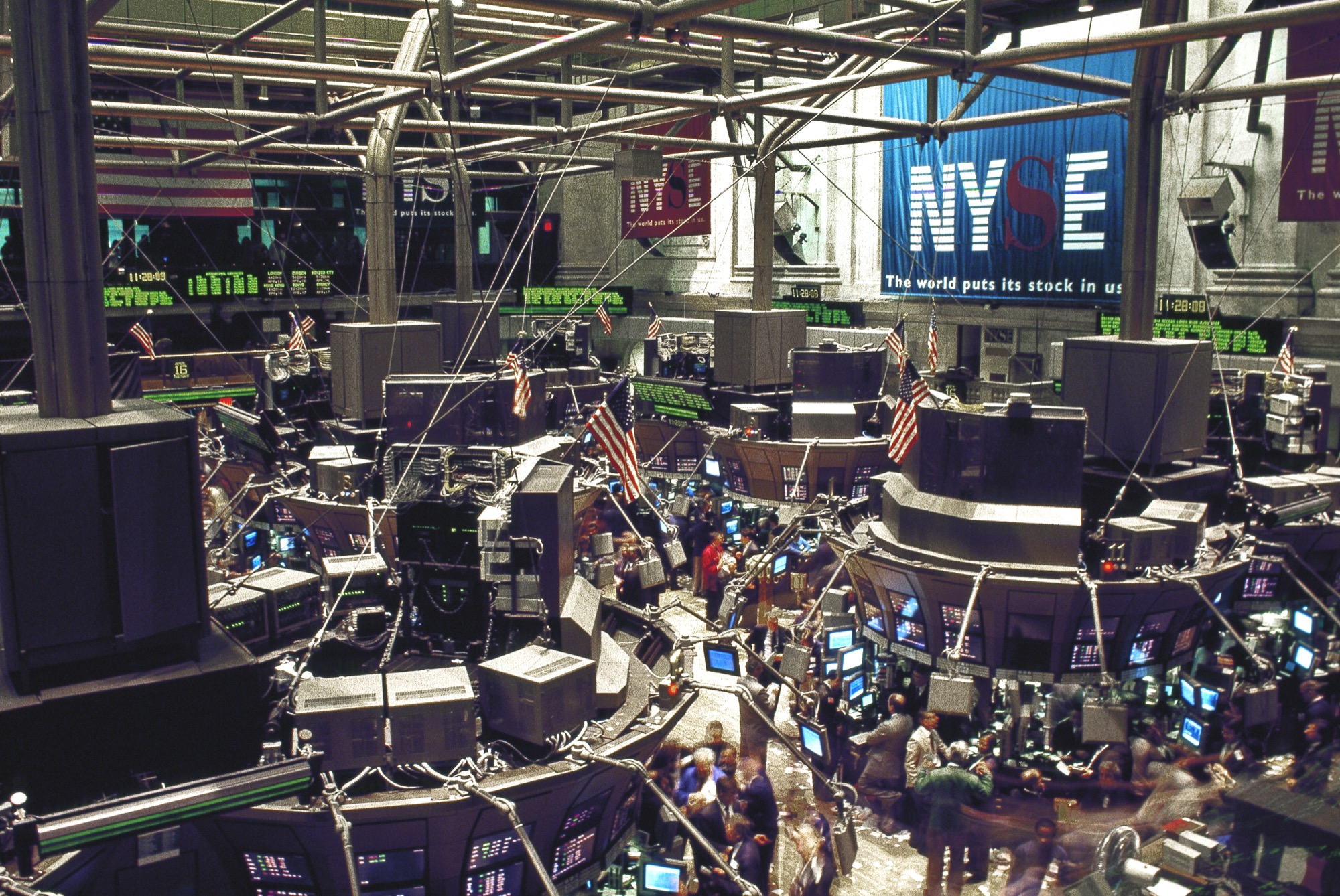
The Nasdaq Composite, the tech-heavy stock index, printed a record close this week. The S&P 500, the 500-company gauge sitting in most 401(k)s, was within half a percent of its August 13 record of 7,798.99. A phone chart can look like a raise. Then you check the receipt.
Grocery-store food still costs about a third more than it did in 2019. The Bureau of Labor Statistics, which prices the household basket each month, said food at home, the grocery-store part of that basket, rose 2.2 percent over the year to August. The yearly pace has cooled. Shoppers are still paying the 2021 and 2022 jumps that never reversed.
The same office’s all-items index is about 30 percent above December 2019. Gasoline jumped 27.4 percent over the last year. Energy as a group rose 16.3 percent. An AP-NORC poll last December found 49 percent of Asian American adults named inflation and living costs a top issue, against about one-third of adults overall. That tracks a reader who lives in an expensive metro, holds a 401(k), and still buys rice by the bag.
The index itself is a narrower story than the headline. Dow Jones Market Data counted about 6 in 10 S&P 500 stocks more than 20 percent below their own highs while the index sat within 1 percent of a record. Seven companies, the group traders call the Magnificent Seven, were about 34 percent of the S&P 500’s value in September: Apple, Nvidia, Microsoft, Amazon, Alphabet, Meta, and Tesla. Nvidia, the chipmaker that still supplies most of the processors used to train large AI models, was about 8 percent of the whole index by itself.
A 401(k) that owns the S&P owns a lot of those seven names. Fortune noted in August that the ordinary cap-weighted S&P held about 38 percent in technology, against about 17 percent in the equal-weight version that treats every company the same. The default fund is a tech-heavy bet.
A lot of the bid under those names is AI money that travels in a circle. In February, OpenAI, the ChatGPT company, said it was raising $110 billion. Nvidia put in $30 billion. Amazon has since completed a $50 billion stake. SoftBank, the Japanese investment firm, put in $30 billion.
The same week as the raise, OpenAI said it would take a huge block of Nvidia’s next chips for answering queries and training new models. Amazon also expanded the cloud work OpenAI already does on Amazon Web Services.
The chipmaker funds the lab. The lab buys the chips and the cloud time. The listed stocks can book that loop as demand.
Bloomberg has mapped the same pattern at Microsoft, which also runs the Azure cloud, at Oracle, the software and cloud company, and at CoreWeave, a firm that rents Nvidia chips to AI labs. Nvidia is an investor in CoreWeave and, in one contract, agreed to buy leftover computing time if other customers do not. That can lift a share price. The weekly shop does not move with it.
The Federal Reserve’s Distributional Financial Accounts, which split the country’s balance sheet by wealth, show the top tenth of households held about 87 percent of corporate stocks and mutual funds in the first quarter. The bottom half held about 1 percent. A record close lands in very different kitchens.
Cash in those kitchens is thin. The Bureau of Economic Analysis, the Commerce Department shop that tracks income after tax, put the personal saving rate at 3.0 percent in July. In 2019 the annual rate was 7.3 percent. Bankrate’s latest emergency-savings survey, fielded in December 2025, found 24 percent of adults had no emergency savings at all. Fifty-four percent said inflation was why they were saving less.
The Fed’s own 2025 household survey, released in May, found 63 percent of adults would cover a $400 shock with cash or the equivalent, unchanged for three years and down from 68 percent in 2021. A cooler yearly grocery print does not refill that account.
Many of the same readers hold RSUs in the AI names lifting the index, send a grocery wire, or host parents for weeks at a time. Food and Grocery Cost Benchmarks for Diaspora Households is the cart math. RSU Vest-Day Playbook for Diaspora Households is the reminder that a paper gain stays paper until it vests and clears tax.
If the 401(k) just printed a high, write down food, gas, and family support for this month before you treat the statement as surplus. Price that line in the Family Support Budget Calculator. Taxable Investing Basics for First-Gen Professionals is the calmer read on what an index fund actually does when the fridge still costs 2019 plus a third.
If the statement looks like a raise, check the cart before you raise the family wire.
This is educational reporting on public market indexes, consumer prices, and household surveys, not investment, tax, or budgeting advice. Index levels and monthly inflation prints can change after a close or a revision.
Related content
Further diaspora reading
- Food and Grocery Cost Benchmarks for Diaspora Households (Generational)
- RSU Vest-Day Playbook for Diaspora Households (Generational)
- Taxable Investing Basics for First-Gen Professionals (Generational)
- Asian Americans Care Most About Inflation, Says AP-NORC Poll (Goldsea)
- Asian American income hit $126,300. Skilled immigration still explains most of the gap. (Generational)
Generational Take
Get the next Generational Take
Get our latest practical tips and takes in your inbox. No spam.