
Korea's market crash remade "home country" stocks into an Alphabet CapEx weather vane
After a roughly 28% plunge from June highs, fueled by 2x Samsung and SK hynix ETFs, Seoul faded ahead of Alphabet earnings on Wednesday and ripped higher Thursday when Google raised AI spending. Diaspora households with Korea brokerage accounts or new Hynix ADRs are holding a different product than they think.
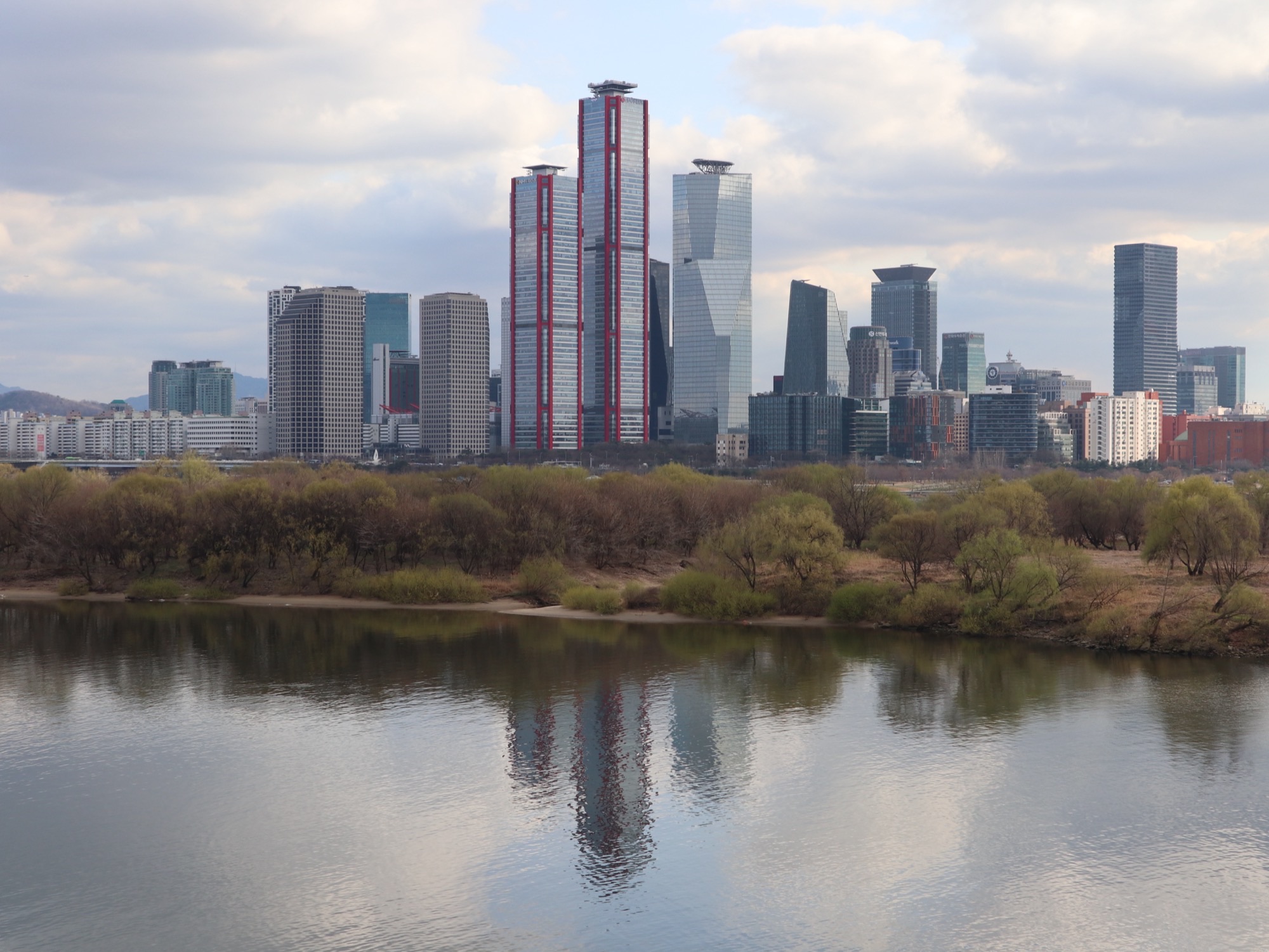
South Korea's KOSPI closed Thursday, July 23, up 4.4% at 7,096.89 after Alphabet raised its 2026 capital-expenditure guide to about $195 billion to $205 billion overnight. Samsung Electronics rose 3.65% and SK hynix jumped 4.85%, according to Yonhap. A day earlier, the same index had opened more than 4% higher, briefly tagged 7,100, then faded to a 0.74% gain at 6,797.7 while traders waited on that Alphabet print.
Those two sessions are the hangover, not the crash. From a June 19 intraday peak near 9,386 and a June 22 record close of 9,114.55, the index had already fallen on the order of 25% to 28% by mid-July, with a near-10% Black Tuesday drop on June 23 that tripped a market-wide halt. Circuit breakers and buy/sell sidecars became routine. Bloomberg-tracked return volatility on the KOSPI topped 60% year to date, ahead of Bitcoin's roughly 50% over the same window.
For Korean American and other diaspora households, the useful story is not a buy or sell tip. It is that the meaning of owning Korea changed shape. When Samsung Electronics and SK hynix together climbed above half of KOSPI market value in late May and early June (business coverage put the pair near 54% to 57% at points in June), a broad Korea fund stopped behaving like a country basket. It started behaving like a concentrated AI-memory bet that gaps when hyperscalers talk about servers.
Leverage made that concentration violent. On May 27, Korea listed single-stock 2x exchange-traded funds tied to Samsung and SK hynix, products aimed partly at keeping retail trading onshore. By late June, JPMorgan estimated leveraged ETFs on Korean assets had swollen to about $50 billion, roughly four times the U.S. scale relative to market size. When prices fell, those funds had to sell underlying shares to reset daily leverage, which pushed prices lower and forced more selling.
Retail balance sheets absorbed the shock. Brokerages reported hundreds of billions of won in forced liquidations in early July. Investor deposits later slid by trillions of won in single sessions as cash left brokerage accounts. Online forums filled with holders of Samsung 2x products stuck far below purchase prices. That is household money, not abstract foreign flow.
Regulators moved after the damage. President Lee Jae Myung ordered faster safeguards on the chip leveraged ETFs in mid-July. On July 16, finance authorities said they would temporarily halt new single-stock leveraged listings, ban advertising on existing products, raise the minimum deposit toward 30 million won from 10 million won (cash-only rules phasing in August), expand mandatory education, and lift minimum trading units later in the year. About 16 single-stock leveraged products tied to the two chipmakers were already listed, including inverse versions.
JPMorgan's Mixo Das team argued on July 21 that the unwind looked mostly technical: leveraged ETF assets had shrunk toward about $26 billion, with the bank estimating the path to a more sustainable ~$18 billion was roughly 75% done, and equity hedge-fund deleveraging more than halfway. The bank kept an overweight stance and a 12,500 twelve-month KOSPI target, while noting VKOSPI had run near five times the U.S. VIX. Markets can still whip even when analysts say the worst forced selling is behind.
Cross-border plumbing tightened the link to U.S. screens. SK hynix listed American depositary receipts on Nasdaq in mid-July, raising about $26.5 billion in what coverage called a record U.S. share sale by a foreign company. Each ADR represents one-tenth of a Seoul share. Dollar proceeds from that deal also helped the won firm from crisis-era lows near 1,560 per dollar earlier in July toward the mid-1,400s. Diaspora investors who buy SKHY in a U.S. brokerage and relatives who hold common shares in a Korea account now watch the same chip cycle on two clocks.
Foreign institutions were not sitting still through the melt-up either. Reporting tied to Bloomberg data put year-to-date foreign net selling of KOSPI shares near $108 billion, including more than $40 billion from SK hynix alone, as managers trimmed names that had become too large for concentration limits. Domestic retail often bought the dips. That handoff puts more of a national index's daily swings on household risk tolerance.
Alphabet's print explains why Wednesday felt nervous and Thursday felt euphoric. Cloud revenue jumped 82% to about $24.8 billion, and CapEx guidance rose again after a quarter where Alphabet said CapEx roughly doubled year over year to about $44.9 billion. Google shares still slipped after hours on the spending size. Seoul treated the CapEx hike as proof that AI server demand, and therefore HBM and server DRAM orders, had not peaked. When two stocks are half the index, that one sentence in a Mountain View call can move Yeouido more than a local economic print.
None of this means Samsung or SK hynix stopped printing cash. Memory cycles have always been violent. What changed is the packaging: index concentration above 50%, retail 2x products on the same two names, ADR dual listing, and a global CapEx narrative that resets overnight. A parent's long-held Samsung shares, a Korea ETF in a U.S. IRA, and a new Hynix ADR can all look like home-market pride while sharing the same overnight risk.
Practical next step for diaspora households is an inventory, not a trade. List every Korea-linked holding: common shares in a Seoul brokerage, ADRs, country or EM funds, single-stock leveraged products relatives may still hold, and any margin or unsettled balances. Note whether a Korea fund is mostly two chipmakers. Separate investment risk from remittance and parent-support cash so a gap day does not force a family transfer cut.
If you send money to Korea on a schedule, keep that line capped beside U.S. bills and retirement with the Family Support Budget Calculator, compare quotes in the Remittance Fee Comparator, and read Send Money to Korea From the U.S. plus Plan Korea Remittances in Your U.S. Household Budget. For long-horizon savings that should not swing with Alphabet CapEx week, First-Gen Retirement Planning Basics is the quieter file to update while Seoul is still loud.
Related content
Generational Take
Get the next Generational Take
Get our latest practical tips and takes in your inbox. No spam.