
A $500 Holiday Wire to the Philippines: Cash at the Counter Cost $11 More and Sent ₱1,772 Less
On a Nov. 16 Western Union quote, the same $500 to the Philippines funded with debit online beat cash in-store on fee, exchange rate, and pesos received, before the 1% federal remittance tax on cash.
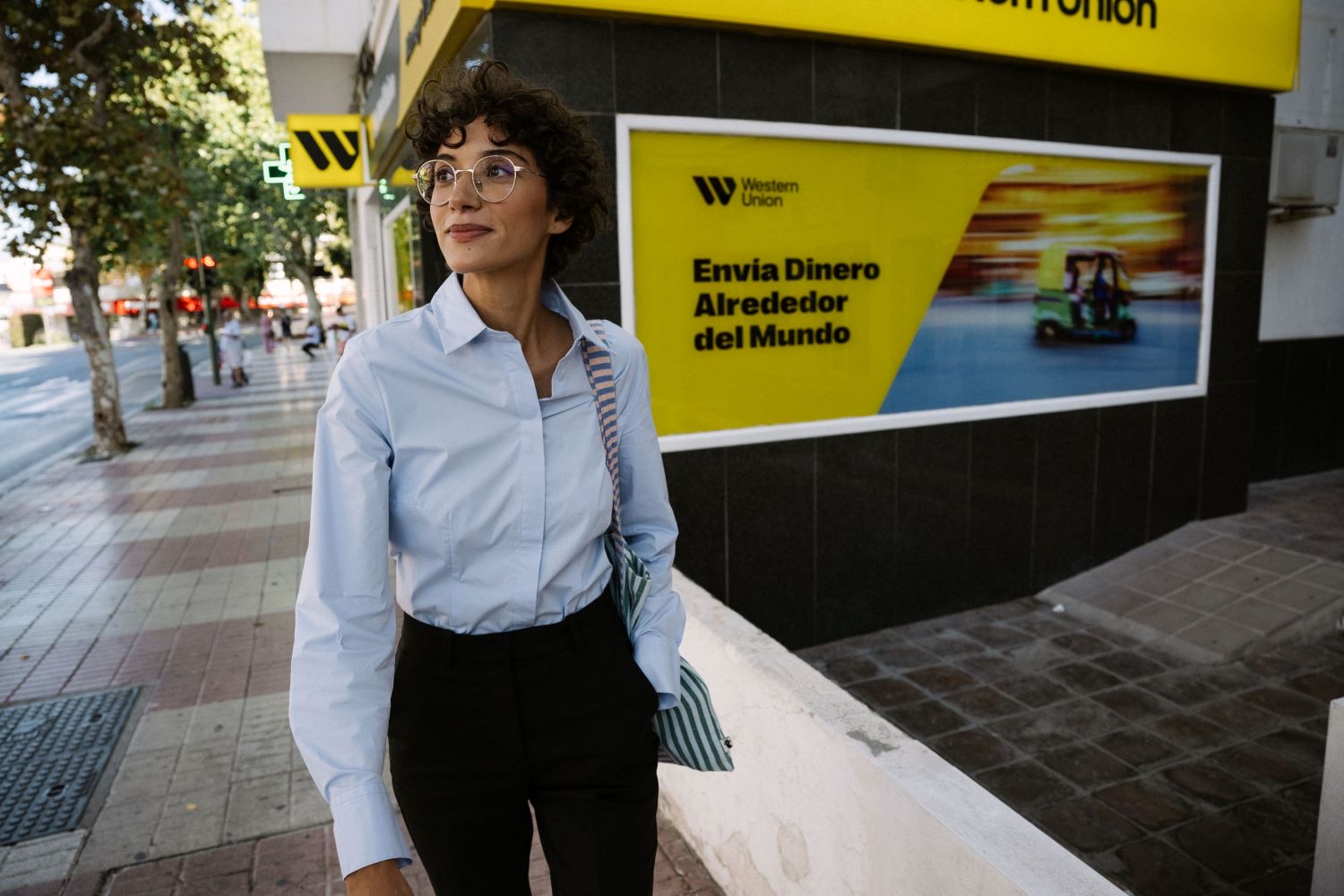
Holiday padala season is when a lot of U.S. households open the remittance app, or walk into a storefront with cash because that is how the family has always done it. The country on the other end can be the same. How you fund the send is not. On the evening of Nov. 16, 2026, a live Western Union quote for $500 to the Philippines put a fee, an exchange rate, pesos received, and the federal remittance tax on the same screen for both paths.
Paying online with a debit card for bank-account delivery showed a $0.00 transfer fee, a BEST RATE of 65.4297 Philippine pesos per U.S. dollar, and ₱32,714.85 for the receiver. The transfer total was $500. Debit funding kept the send outside the 1% remittance tax in section 4475 of the Internal Revenue Code.
Same $500 to the Philippines, two funding paths
Western Union.com quotes from the evening of Nov. 16, 2026 (Eastern time). Same $500 send to the Philippines. One path pays with debit online into a bank account. The other pays cash in-store for cash pickup. Rates move, so check yours before you send.
| Line | Debit online → bank deposit | Cash in-store → cash pickup |
|---|---|---|
| Transfer fee | $0.00 | $6.00 |
| Exchange rate | 65.4297 PHP per USD (BEST RATE shown) | 61.8861 PHP per USD |
| Amount received | ₱32,714.85 | ₱30,943.05 |
| 1% remittance tax (section 4475) | $0 (debit funding) | $5.00 (cash funding) |
| What you pay | $500.00 | About $511 ($500 + $6 fee + $5 tax) |
Source: Western Union.com pre-payment summary, Nov. 16, 2026; IRS section 4475 / IR-2026-48
On the same site, same $500, same destination, paying cash in-store for cash pickup looked different. The quote showed a $6.00 transfer fee, 61.8861 pesos per dollar, and ₱30,943.05 for the receiver. The summary put the send plus fee at $506, then flagged that a 1% federal remittance tax would apply. On $500 sent, that tax is $5, so you leave with about $511 once fee and tax are in. Family still gets the peso figure on the receipt. You pay the extra dollars.
Side by side, cash sent about ₱1,772 fewer pesos and cost about $11 more than debit on this quote. Before Western Union let the cash path continue, it warned that online options could save money and deliver more pesos. The numbers on the next screen matched. Promo fees and first-time rates move, and a $0 Philippines fee through Dec. 15 will not show for every sender. Compare both quotes the night you send, instead of relying on the fee you remember from last Christmas.
The tax line is easy to miss in a holiday rush. Since Jan. 1, 2026, section 4475 has put a 1% excise tax on outbound remittances funded with cash, a money order, a cashier’s check, or a similar physical instrument. The sender owes it. The remittance company collects it. A send funded from a covered bank or credit union account, or with a U.S.-issued debit or credit card, stays outside that tax. In April, Treasury and the IRS published proposed regulations (IR-2026-48) that treat the taxable amount as what goes to the recipient, not the provider’s fee. Providers report it on Form 720. This is educational reporting, not tax advice.
Plenty of FilAm households will feel that math in December. Bangko Sentral ng Pilipinas, the Philippine central bank, put September 2026 cash remittances at $3.20 billion, up 2.6% from a year earlier, with the United States still the largest recorded source share. December is usually the peak month for Christmas spending back home. Pew Research Center found 42% of Filipino adults in the United States had sent money to the Philippines in the year before its 2022–23 survey. A thinner rate plus a cash tax shows up as less for tuition, groceries, or a sibling’s holiday budget.
Delivery timing can pull you toward cash pickup even when the rate is worse. Around Christmas Eve and New Year, Philippine bank holidays can delay a deposit until the next banking day, while an agent window may still pay out if it is open. Ask relatives whether a wallet credit or cash pickup is what they need on a closed banking day. Then read the fee, the rate, and the tax line before you fund either way.
U.S. remittance rules from the Consumer Financial Protection Bureau already require the company to show the fee, the exchange rate, and what the recipient should get before you pay. Open the same dollar amount once as cash and once as debit or bank funding, or drop both receipts into the Remittance Fee Comparator. How to Compare Remittance Fees Before You Send and Federal Remittance Tax Awareness for U.S. Senders walk through that check. For peso rails and wallets, see Send Money to the Philippines From the U.S.. Put the monthly send next to rent in the Family Support Budget Calculator.
If cash is the only path that works for an unbanked sender, or for a relative who only collects at a counter, build the fee and the 1% tax into the cash you bring. If a debit card or linked account is available, price that quote first. On this Nov. 16 screen, funding method alone separated ₱32,714.85 from ₱30,943.05.
Quotes move by the hour. Treat this as one provider’s numbers from one evening, then confirm the fee, rate, amount received, and any remittance tax on your own pre-payment screen before you send.
Related content
Further diaspora reading
- How to Compare Remittance Fees Before You Send (Generational)
- Federal Remittance Tax Awareness for U.S. Senders (Generational)
- Send Money to the Philippines From the U.S. (Generational)
- A new 1% federal remittance tax adds cost to money sent abroad (Generational)
- How the Philippines Went from an Asian Economic Leader to Laggard (Goldsea)
Generational Take
Get the next Generational Take
Get our latest practical tips and takes in your inbox. No spam.