
The $100,000 H-1B fee was struck down, then stayed. Employers are still being asked to pay.
A Massachusetts court vacated the fee in June, then paused its own order on appeal. As of mid-July, Murthy Law Firm and other counsel still treat the charge as collectible on covered consular petitions.
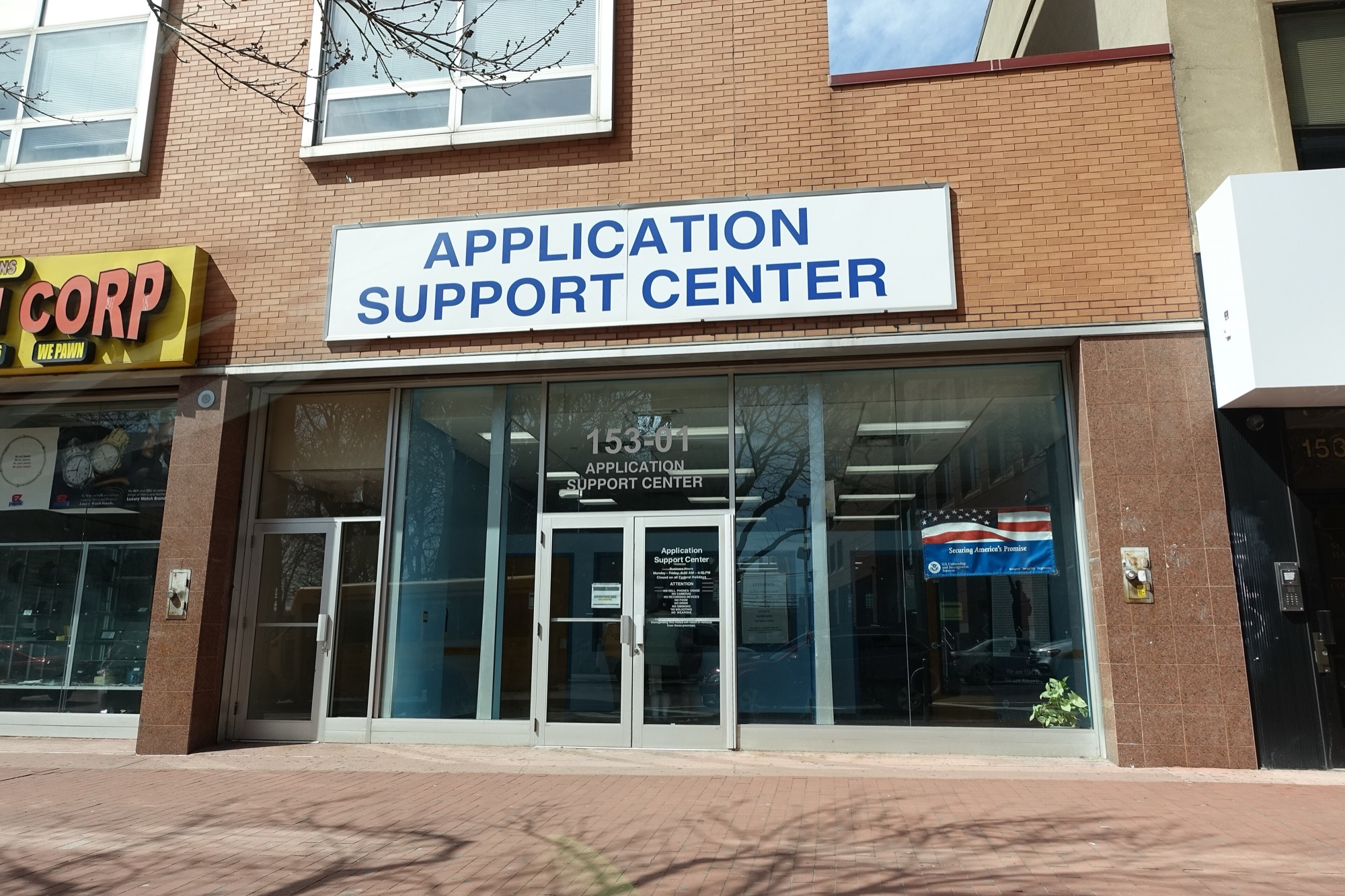
Indian and other Asian professionals make up a large share of H-1B beneficiaries. When a six-figure filing fee appears, disappears, and reappears inside a few days, the household feels it as delayed start dates, frozen transfers, and employers who suddenly sound less sure about overseas hires.
The fee grew out of a September 19, 2025 presidential proclamation that imposed a $100,000 charge on certain new H-1B petitions, especially cases that need consular processing for workers outside the United States. Extensions and many in-country paths were widely described as outside the core hit. The practical line still depends on how USCIS reads “new” in a given petition.
On June 8, 2026, Judge Leo Sorokin of the U.S. District Court for the District of Massachusetts vacated the fee in State of California v. Mullin, treating it as an unauthorized tax Congress had not approved. Headlines read like relief. Four days later, on June 12, the same court stayed its own order while the government appealed to the First Circuit.
As of a July 16, 2026 Murthy Law Firm update, USCIS was still requesting the fee on covered petitions. The government had filed an emergency stay motion with the First Circuit on June 18 in No. 26-1699. Until that court rules otherwise, counsel have been telling employers to budget as if the charge still applies. Parallel challenges in other venues have also been part of the landscape, which is why “struck down” and “collectible today” can both appear in the same week’s email thread.
For households, the money story is not only the employer’s $100,000 line item. It is whether an offer letter still includes a U.S. start, whether a spouse’s job search waits another cycle, whether rent in Bangalore or Hyderabad continues while a petition sits, and whether a green-card sponsorship timeline gets rewritten around appellate delay. Large tech and consulting employers may absorb the fee for priority roles. Smaller firms and university-adjacent shops often cannot.
Travel and change-of-employer plans are another quiet cost. Workers already in the United States on valid H-1B status are not the same fact pattern as a first consular petition filed from abroad, but families still reshuffle flights, lease break fees, and school calendars when counsel says “wait for the stay.” A fee that is live today and possibly gone after an appellate order is hard to model as a clean line item. It shows up as optionality that keeps getting repriced.
Indian nationals have accounted for roughly seven in ten H-1B approvals in recent tallies. That concentration means corridor anxiety travels quickly through family WhatsApp groups even when a specific cousin’s petition is not the one on appeal. A paused court order is not a household refund. It is a reason to keep payment receipts and written employer commitments.
If an employer already paid under protest, ask in writing how refunds would be handled if a final ruling vacates the fee. No one should assume a process exists until counsel or USCIS publishes one. Until then, the household job is simpler: do not spend a hoped-for refund, and do not treat a court headline as a start-date guarantee.
This piece is educational reporting on published court and counsel updates. It is not immigration advice, employment advice, or a prediction of how the First Circuit will rule. Coverage rules, exemptions, and refund possibilities turn on petition facts and future orders that only a qualified professional can assess for a specific case.
If your household cash flow depends on a pending H-1B start date, put the temporary support and rent bridge through the Family Support Budget Calculator, keep employer and counsel emails in one folder, and treat visa timing as a budget assumption you revisit when the First Circuit moves. For longer-run U.S. payroll planning once status is stable, Employer Benefits Open Enrollment Basics for First-Gen Professionals and First-Gen Retirement Planning Basics stay useful.
Related content
Generational Take
Get the next Generational Take
Get our latest practical tips and takes in your inbox. No spam.