
EliseAI raises $350M at $4B. The AI already sits on one in six U.S. apartment lines.
Minna Song's New York company automates leasing calls, maintenance tickets, and clinic phones. For renters who already put a third of spending into housing, the AI answering the front desk just got a much larger check.
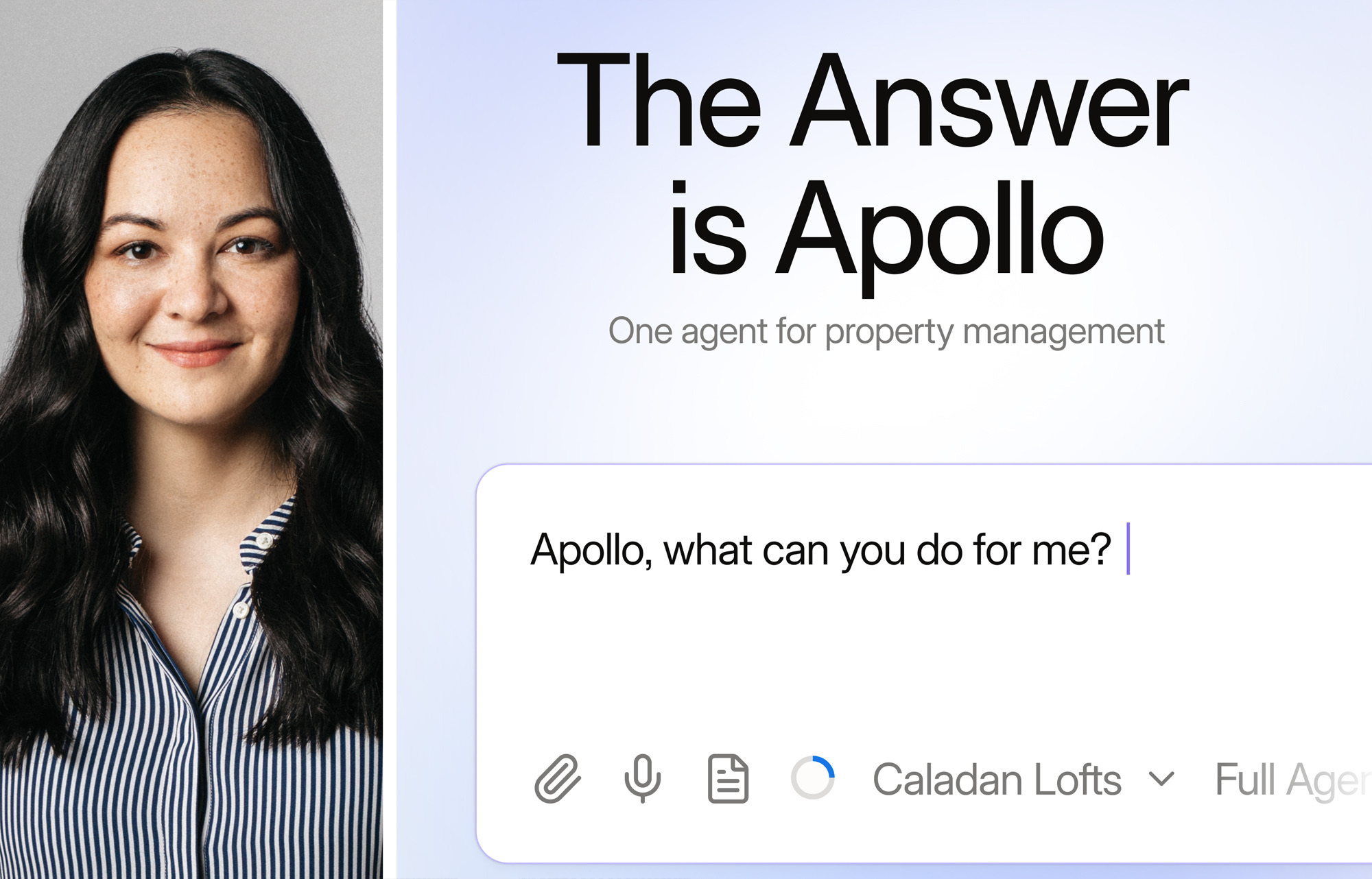
When you call about a vacant two-bedroom or a broken dishwasher, the voice on the other end may already belong to software. EliseAI, the New York company that builds those agents for landlords and clinics, said Tuesday it raised $350 million at a $4 billion valuation, nearly doubling the $2.2 billion mark it set about a year ago.
Andreessen Horowitz and Bessemer Venture Partners led the round, with Ontario Teachers' Pension Plan, Sapphire Ventures, and Navitas Capital joining. The money is primary capital for product and hiring, not a secondary cash-out. Bessemer partner Sameer Dholakia is joining the board.
For households that already feel rent and medical bills before anything else, the useful question is who owns the phone tree. The U.S. Bureau of Labor Statistics says housing took 33.4 percent of average consumer spending in 2024. Healthcare took 7.9 percent. Together that is more than forty cents of every consumer dollar, before food and the rest of the month.
Co-founder and CEO Minna Song studied computer science at MIT and started EliseAI in 2017 with Tony Stoyanov, now the chief technology officer. Before they shipped code, Song has said she took a job at a New York real estate firm to find the bottleneck that made apartments expensive to run. The answer was not a prettier listing site. It was the pile of leasing texts, maintenance tickets, renewals, and after-hours calls that keep property teams on the phone.
That pile is now EliseAI's product. The company says its agents handle leasing, resident services, maintenance, renewals, and billing for housing operators, and patient scheduling and front-desk work for specialty clinics. In a Fortune interview tied to the raise, Song said the platform handles about five million calls a month across both businesses. Company materials put the housing footprint at roughly one in six U.S. apartments, with more than 30 million Americans having interacted with it since launch.
Those are company figures, not a Census count. Even so, plenty of renters have already booked a tour or logged a work order with software that never sleeps. Census Bureau data from 2023 found about one million Asian-alone renter households spending more than 30 percent of income on housing. Across all renters, nearly half crossed that cost-burden line. The AI does not set the rent. It sits between the household and the office that answers when something breaks.
Song's pitch to investors is that operating costs, not only zoning, keep housing expensive. Make the building cheaper to run, she argues, and there is more room for occupancy and renewals. EliseAI says it passed $200 million in annual recurring revenue in June, doubling year over year for a fifth straight year. Investors are paying for that growth: the company was valued at $2.2 billion after its August 2025 Series E, and at $4 billion in this round.
Earlier this month the company launched Apollo, an agent meant to finish tasks across the whole Elise platform instead of living in one narrow chat window. Song told Fortune that binding decisions still need a person: approving or denying an application, sending a formal notice, signing off on lease terms. Fair housing answers get drafted and queued. The AI does not get the last word. For renters, that distinction matters more than the fundraising announcement.
Healthcare is the second bet. Specialty groups use EliseAI for inbound calls, referrals, scheduling, insurance checks, and follow-up, the admin layer that eats evenings before a parent appointment or a specialist referral. On the company blog, Song argues cheaper intelligence should show up in ordinary life, not only in consumer chatbots. The raise funds that bet, not a new app for renters to download.
The hiring map matches diaspora career cities as much as landlord headquarters. EliseAI is based in Manhattan, plans a second engineering hub in San Francisco, and is hiring across New York, San Francisco, Boston, Chicago, Austin, and Toronto. For builders who want vertical AI instead of another horizontal assistant, the company is advertising the unglamorous industries on purpose.
None of this guarantees lower rent next lease cycle. Landlords buy software to lift occupancy and cut labor, and savings do not automatically transfer to tenants. Song's own framing admits as much: you cannot make housing meaningfully cheaper without making it cheaper to operate. The path from operator margin to household rent is still a market and policy fight, not a software setting.
What changed this week is the size of the check behind the phone tree. If you are renewing a lease, waiting on a maintenance ticket, or calling a clinic before work, you are already living inside the product category that just drew $350 million. Watch whether your building's response times get faster, and whether the person who finally picks up still has authority to fix the thing that broke.
Households tracking rent share against the rest of the budget can start with Housing Cost Burden Benchmarks for Diaspora Households and Rent Versus Buy Math in High-Cost Diaspora Metros. If a tech offer in one of EliseAI's hiring cities is part of the plan, RSU Vest Day Playbook for Diaspora Households keeps the equity math separate from the rent that still clears every month.
This is educational reporting on a private financing round and company claims, not investment advice. Unit share, call volume, and revenue figures come from EliseAI and contemporaneous press interviews.
Related content
Further diaspora reading
- Housing Cost Burden Benchmarks for Diaspora Households (Generational)
- Asian Americans earn more. So why is buying a home still so difficult? (Generational)
- Rent Versus Buy Math in High-Cost Diaspora Metros (Generational)
- In 1970, 17% of Asian Americans lived with another generation. Now it is 30%. (Generational)
- US Consumers Favor Homebuying over Renting for First Time Since 2023 (Goldsea)
Generational Take
Get the next Generational Take
Get our latest practical tips and takes in your inbox. No spam.