
Bangladesh opened the fiscal year with $2 billion in remittances in 20 days
Bangladesh Bank data put early-July inflows at $2.018 billion, up 23% from a year earlier. For Bangladeshi American households, the print is national momentum that still has to fit beside rent in New York and the DMV.
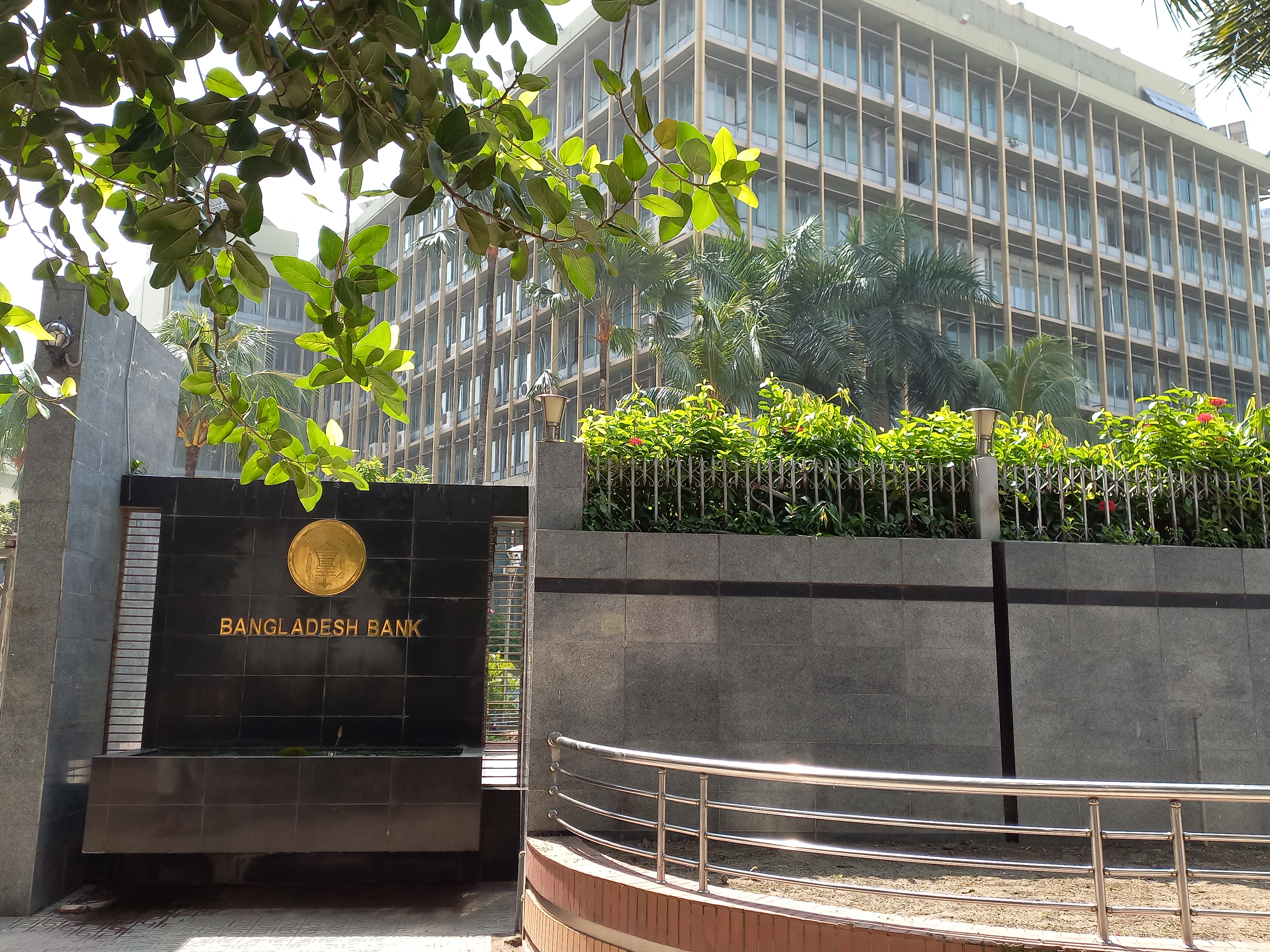
Bangladesh received about $2.018 billion in remittances in the first 20 days of July, according to Bangladesh Bank figures carried by the national news agency BSS on July 21. That is up 23.1% from $1.639 billion in the same stretch of July 2025, and it includes about $75 million on July 20 alone.
For Bangladeshi American households, that is a national open to fiscal year 2026-27, not a household budget meeting. Pew Research Center estimates put the Bangladeshi-alone population in the United States near 270,000, with the New York metro still the largest cluster. A strong Dhaka print does not pay Queens rent, a Northern Virginia mortgage, or a sibling’s share of a parent’s medical bill in Sylhet or Dhaka.
The early-July figure also lands after a record year. Bangladesh Bank data reported about $35.56 billion in workers’ remittances for FY2025-26, up from the prior record of about $30.33 billion in FY2024-25. Treat the new 20-day print as a provisional partial-month snapshot. It is not a full July total, and it is not a promise that every household can keep raising its BDT wire.
Official source-country tables have been noisy. Some FY2024-25 coverage put the United States near the top of reported inflows, around $4.73 billion. Later reporting explained that money routed through remittance houses registered in the U.S., U.K., or Gulf can get booked to the house’s home country rather than the sender’s workplace. After reattribution, Gulf and U.K. totals often look larger on paper. The useful family record is still the one siblings keep themselves.
Policy is trying to keep formal channels attractive. In the FY2026-27 budget, Finance Minister Amir Khosru Mahmud Chowdhury said the government would keep the 2.5% cash incentive on remittances sent through legal channels. That incentive is paid on the Bangladesh side and can matter for recipients, but banks have also reported delays getting reimbursed by the government. A headline incentive is not the same thing as a frictionless deposit every week.
Seasonal spikes still reshape expectations. Remittances often jump around Eid, and May 2026 inflows were widely reported near $3.4 billion after Eid-ul-Azha. When festival wires land on top of a standing monthly send, relatives can quietly treat the bigger total as the new normal unless someone names the extra as a one-season cost.
U.S. senders have a local cost wrinkle too. The federal remittance transfer tax that took effect in 2026 generally attaches to cash, money orders, and similar physical funding methods, while many bank-account and card-funded transfers sit outside that tax. A strong Bangladesh Bank month does not change that funding choice. It just makes an expensive cash counter send easier to overlook when a family ask feels urgent.
Keep sibling roles honest. If one person in New York covers parents’ monthly expenses while another covers school fees or hospital spikes, write that down. A $2 billion national print will not prevent double-paying the same bill or converting overtime into a permanent expectation.
For a calmer next step, open the Bangladesh corridor page for destination context, then put the monthly amount through the Family Support Budget Calculator so the BDT line sits beside housing and savings. When you need deeper rails and receiving details, read Send Money to Bangladesh from the U.S..
Related content
Generational Take
Get the next Generational Take
Get our latest practical tips and takes in your inbox. No spam.