
East West, Hanmi, and Hope just posted Q2 scorecards. First-gen banking still has room to grow.
Three Asian American franchise banks reported July earnings with record deposits at East West, sticky noninterest-bearing growth at Hanmi, and a clean sequential climb at Bank of Hope. For households that still need a bilingual desk, the numbers are a health check, not a stock tip.
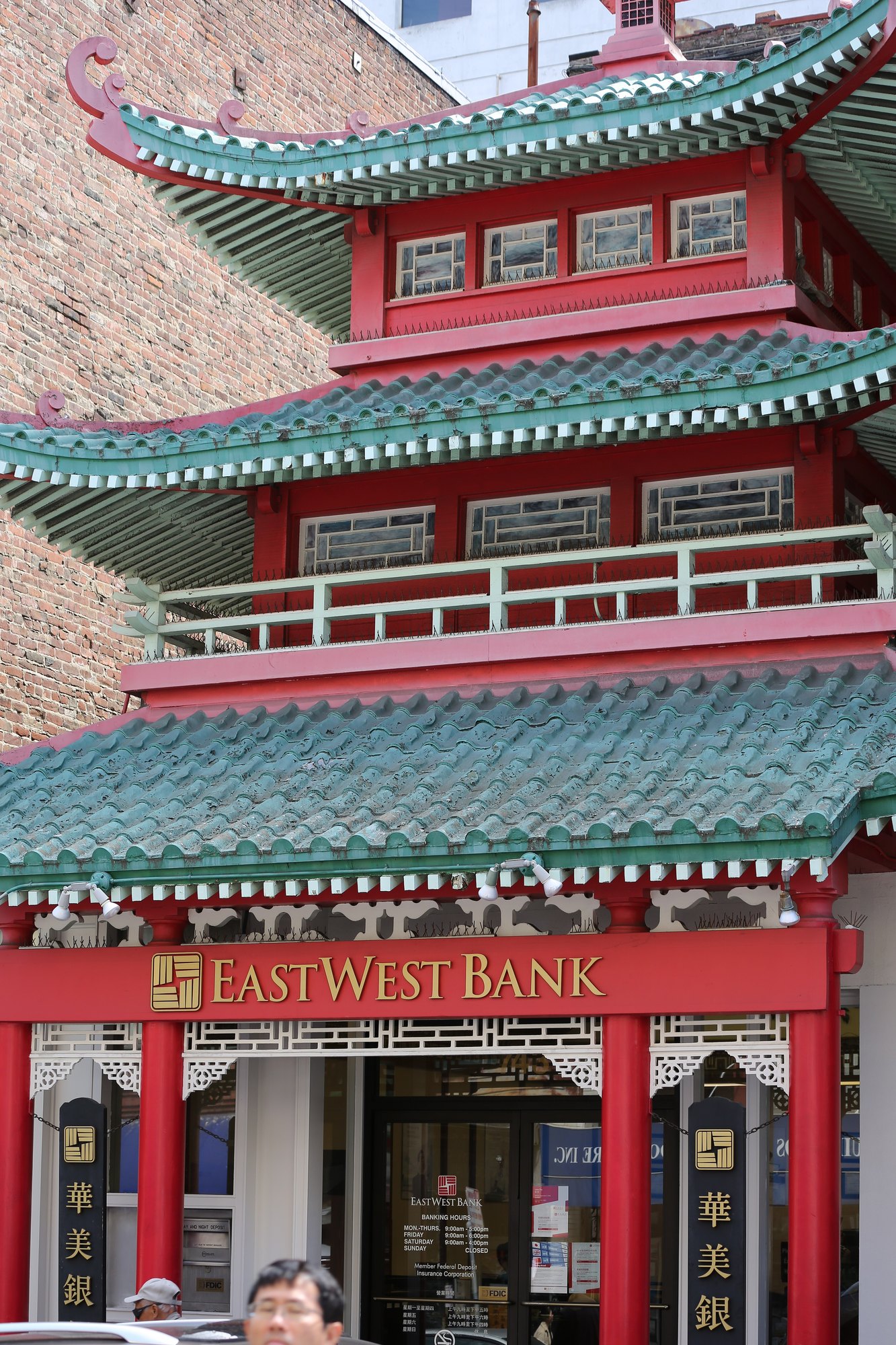
When a Chinese American family in the San Gabriel Valley or a Korean American shop owner in Koreatown picks a bank, the decision often sits beside language, SBA history, and who answers the phone when a wire looks odd. National apps can win on fees. They rarely win on that relationship file. In late July, three of the best-known Asian American franchises published second-quarter numbers that read like a franchise health check for those households.
East West Bancorp, parent of East West Bank, reported July 21 that second-quarter net income reached $364 million, or $2.63 per diluted share, up 18% from $2.24 a year earlier. Total revenue hit a record $791 million. Loans and deposits both set quarter-end records at $59.0 billion and $70.1 billion. Assets stood at about $84.8 billion. Return on average assets was 1.75%, and return on average common equity was 16.0%. Chairman and CEO Dominic Ng pointed to relationship banking and a jump in noninterest-bearing deposits as the engine behind balanced growth. Net charge-offs ran about 19 basis points annualized, with nonperforming assets near 29 basis points.
That scale still matters for Greater China corridor households. East West grew out of Los Angeles Chinatown in 1973, converted to a commercial bank in the 1990s, and remains one of the rare U.S. banks with a locally incorporated commercial banking subsidiary in mainland China. Pasadena headquarters and more than 110 locations across U.S. metros and Asia are the footprint behind the Q2 print. For a family comparing banks, the useful read is less the EPS line and more whether deposit and loan growth still look like a living franchise.
Hanmi Financial, parent of Hanmi Bank, reported the same day. Net income was $23.5 million, or $0.79 per diluted share, up 4.2% from the first quarter and about 56% from $15.1 million, or $0.50, a year earlier. Return on average assets was 1.20% and return on average equity was 11.09%. Deposits rose 2.3% sequentially to about $6.96 billion, with noninterest-bearing balances up 5.2%. Total assets crossed $8.00 billion. Credit stayed tight: nonperforming assets were 0.12% of assets and nonperforming loans 0.15% of loans. President and CEO Bonnie Lee said the bank returned 58% of quarterly earnings through dividends and buybacks while keeping tangible common equity near 10% of tangible assets.
Hanmi’s story is still Koreatown-first. Founded in 1982 as the first Korean American bank in the United States, it leans commercial and SBA more than national consumer marketing. New loan production in the quarter was about $372 million. Loans held for investment were roughly flat at $6.54 billion, so the quarter’s signal was funding quality and earnings recovery more than a loan-growth sprint. For immigrant small-business owners who still need a banker who understands cash-based books and bilingual paperwork, that deposit mix is the household tell.
Bank of Hope’s holding company, Hope Bancorp, reported July 27. Net income was $33.0 million, or $0.26 per diluted share, up 12% from the first quarter. A year earlier the GAAP print was a $24.8 million loss, or $0.19 per share, after securities repositioning, Territorial merger costs, and a California tax apportionment change. Excluding notable items, Hope said second-quarter earnings were $34.5 million, or $0.27, up 40% from $24.6 million, or $0.19, in the year-ago core figure. Net interest margin expanded to 2.96%. Gross loans reached $15.03 billion, up 2% sequentially, and deposits were $15.88 billion, with noninterest-bearing demand up 5% quarter over quarter. Assets were about $18.99 billion.
Chairman, President, and CEO Kevin S. Kim framed the quarter as revenue growth plus operating leverage: loan growth, lower funding costs, fee income, and expense discipline. SBA loan sales of $67.9 million contributed a $4.4 million gain. Criticized loans fell 19% year over year even as they ticked up slightly from the prior quarter. The Territorial Savings Hawaii division, added in April 2025, still shows up in the funding mix. A pending all-cash purchase of SMBC MANUBANK’s commercial banking unit, announced March 31, 2026, remains subject to regulatory approvals. Treat that as pipeline, not closed balance-sheet math.
Read together, the three prints sketch different jobs inside the same diaspora banking map. East West is the U.S.–Asia bridge at scale. Hanmi is the Koreatown-rooted commercial franchise with clean credit and rising demand deposits. Hope is the larger Korean American super-regional, still digesting Hawaii and pointing at middle-market expansion. None of those jobs replaces FDIC insurance math. Standard coverage remains $250,000 per depositor, per insured bank, per ownership category. Earnings strength does not raise that ceiling.
Household questions beat ticker questions. Ask whether noninterest-bearing checking is still growing, because that usually means operating businesses and families keep their daily cash in the franchise. Ask how commercial real estate and SBA exposures are behaving if your livelihood sits in a strip-mall loan. Ask whether the branch that speaks your parents’ language still staffs relationship bankers, not only a QR code. Keep a national online bank for pure rate shopping if you want, and keep the community desk for the wire, the gift letter, and the auntie’s LLC.
Generational’s first-gen bank profiles live at /banks. Start with East West Bank, Hanmi Bank, and Bank of Hope. Pair them with Immigrant-Owned Small Business Financing Basics and Small-Business Banking When Your Books Don’t Match Mainstream Templates. For the longer family wealth file, use How to Build Generational Wealth as a Child of Immigrants. Stress-test parent support beside business cash with the Family Support Budget Calculator.
Related content
Generational Take
Get the next Generational Take
Get our latest practical tips and takes in your inbox. No spam.