
Asia’s AI founders are packing for the Bay Area. The household file has to move with the company.
KPMG data put the U.S. at about 80% of global startup funding in Q1 2026 while Asia’s share fell to 9.6%. Antler has helped more than 30 Asian founding teams relocate since 2025. For diaspora households, that is a visa, dual-hq cash, and family-support story, not only a VC map.
Yoeven Khemlani started Interfaze, an AI model aimed at deterministic developer tasks like web scraping and OCR, with a small team in Singapore in 2025. As the product found early users, he told Fortune, many of those customers were already in the U.S., moving there, or selling into the U.S. market. He relocated to the San Francisco Bay Area in May. The go-to-market lesson was blunt: a U.S. customer base is one market; Southeast Asia is many.
He is not an isolated case. Fortune’s July 9 report describes Asian founders taking a second look at the United States, pulled by customers and capital and pushed by fragmented markets and regulatory friction at home. Since 2025, global early-stage firm Antler says it has helped more than 30 Asian founding teams relocate to the U.S. Jussi Salovaara, Antler’s co-founder and managing partner for Asia, told Fortune the pull of U.S. customers, talent, and capital is unmistakable for founders building global businesses.
The funding scoreboard explains the rush. KPMG figures cited in the piece put the U.S. at roughly 68% of global startup funding in 2025 and about 80% in the first quarter of 2026, helped by mega rounds for firms such as OpenAI and Anthropic. Asia’s share fell to about 12% in 2025 and 9.6% in Q1 2026. Southeast Asia’s tech funding collapsed nearly 80% between 2022 and 2024, from about $10.1 billion to $2.2 billion, leaving the region a thin slice of global venture dollars while India and China still dominate most of Asia’s absolute totals.
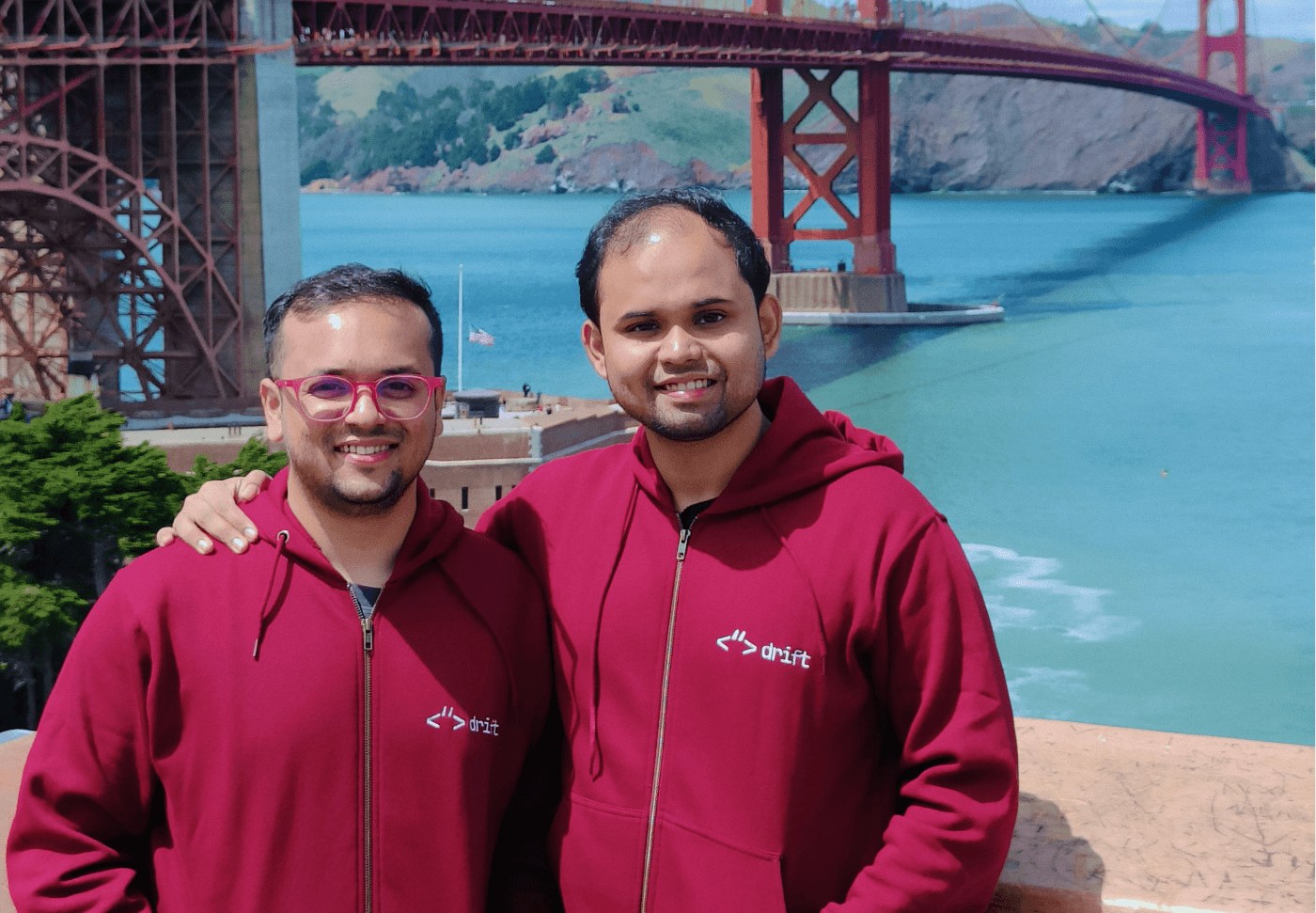
Sanjil Jain’s path shows how the move looks on the ground. An Indian founder, he and co-founder Nikhil Kumar built Drift, an AI platform for robotics simulation and evaluation, after an earlier ecommerce exit. They validated through Antler in Singapore, then shifted to San Francisco in April to sit closer to U.S. customers and networks. Jain told Fortune the Bay Area’s founder “whisper networks” are hard to replicate elsewhere, and that he hired three Americans onto a five-person team after the move. Antler’s own founder story puts Drift’s users across 30 countries and research labs including Stanford and MIT.
Antler’s public line still says founders can innovate from almost anywhere. CEO Magnus Grimeland has argued innovation is global, not limited to Silicon Valley, and the firm only opened its first Silicon Valley office in 2025, eight years after founding. That philosophy and the relocation numbers can sit in the same week. The firm’s U.S. residency pages still require at least one co-founder with independent work authorization; Antler does not sponsor visas. Its Embark program for immigrant AI founders targeting the U.S. market connects teams to immigration advisors on pathways such as B-1/B-2 or O-1 without claiming sponsorship.
For diaspora households, the useful story is the file that travels with the incorporation papers. A founder move changes where salary and equity vest, which tax residency clocks start, and whether a spouse can work. Indian and other Asian founders are already treating O-1, EB-1, and NIW routes as more predictable than H-1B lottery risk for early-stage companies. Visa wait times and documentation still sit on the critical path. Treat status as a runway item beside product milestones, not a weekend errand after the lease is signed.
Cash and family support need the same dual-hq honesty. Parent remittances that felt affordable on a Singapore or Bangalore burn rate can strain a Bay Area rent and healthcare bill. Cap the home send before the move locks a higher lifestyle floor. Keep equity, founder salary, and family wires on separate lines so a fundraising headline does not quietly raise the monthly Kakao or Wise expectation. If parents still live in Asia and the company now books revenue in California, update the household budget the week the ticket is booked.
Not every company should leave. Salovaara has noted that some infrastructure and energy startups remain cheaper to build in Asia; Fortune pointed to climate and hardware models that still fit local cost structures. The AI and developer-tool race is currently U.S.-centric on customers and capital. Khemlani’s own warning lands as practical advice: it is hard to raise in San Francisco while remaining physically based in Singapore. Location is a sales and fundraising choice as much as a lifestyle one.
What to do if you are in this corridor: write a one-page move plan that covers work authorization, U.S. entity and banking, personal tax residency, healthcare, and a capped family-support number. Ask your counsel which visa path matches founder extraordinary-ability evidence versus employment lottery risk. If you already hold U.S. equity or RSUs from a prior job, update the vest and withholding file before the new company’s fundraising calendar collides with it.
Start with Visa and Job-Change Runway When Leave Means Status Risk and Visa, Job Change, and Benefits Gap Basics for Diaspora Professionals. Keep the operating company solvent with Immigrant-Owned Small Business Financing Basics, and park equity decisions in RSU Vest-Day Playbook for Diaspora Households. Stress-test parent support beside Bay Area burn in the Family Support Budget Calculator.
Related content
Generational Take
Get the next Generational Take
Get our latest practical tips and takes in your inbox. No spam.