
Dental, Vision, and Part D Gaps for Aging Immigrant Parents
What Original Medicare usually leaves uncovered for teeth and eyes, how Part D drug caps interact with household budgets, and how adult children plan cash for aging immigrant parents.
Key takeaways
- Original Medicare generally does not cover routine dental, vision, or hearing care; limited exceptions exist for medically linked dental services.
- KFF: in 2023, traditional Medicare beneficiaries spent about $1,107 on dental and $564 on hearing out of pocket on average (among spenders in that analysis).
- Part D out-of-pocket drug costs are capped ($2,000 in 2025; $2,100 in 2026 per CMS/AARP reporting), but that cap does not create dental or vision coverage.
- Medicare Advantage may bundle limited dental or vision benefits with annual caps; read the plan’s maximums before assuming a crown is covered.
- Budget parent dental and vision as named household lines beside remittances and Part D deductibles.
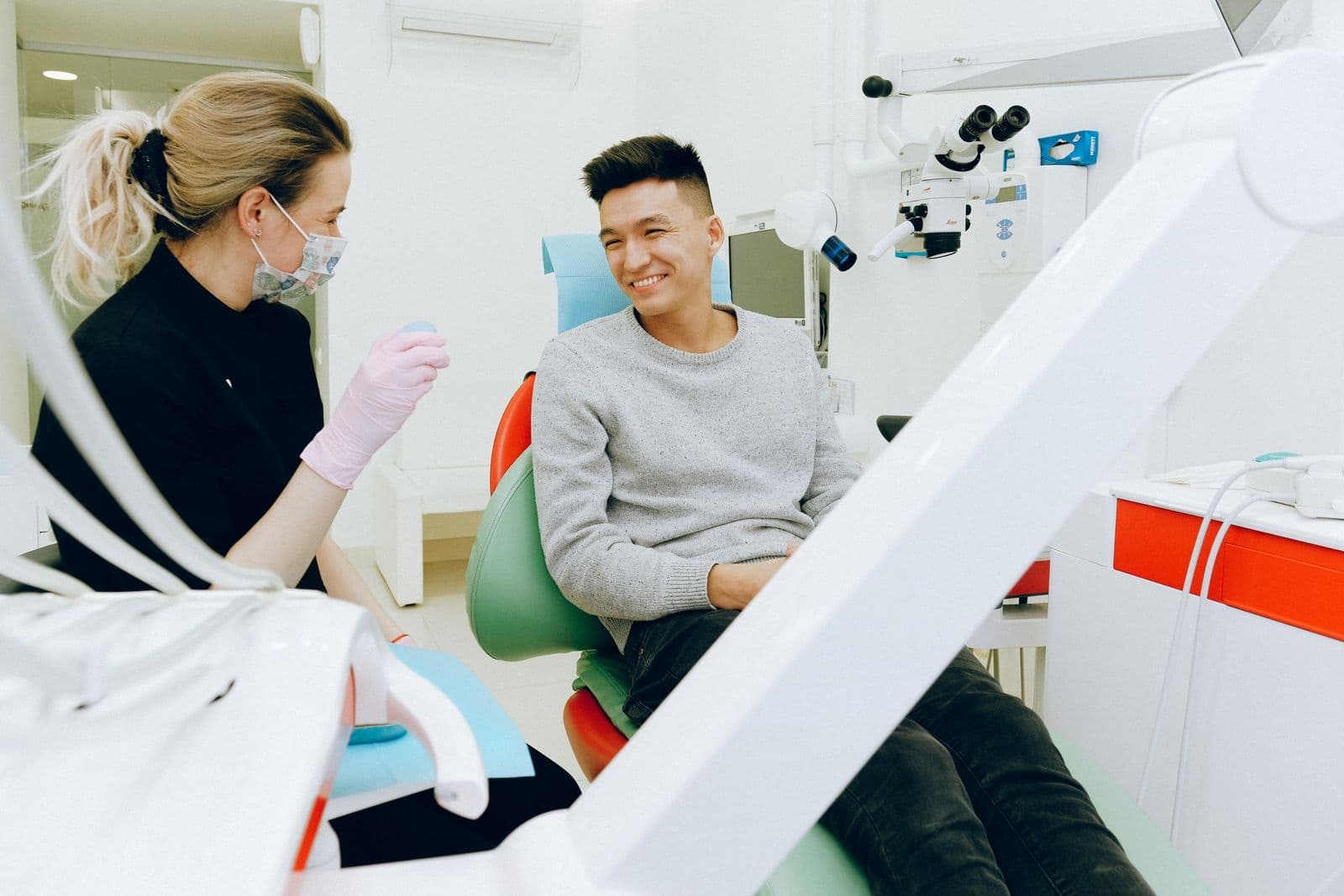
Your mother shows you a dentist estimate for $2,800 and asks whether Medicare will pay. The Part D app on her phone shows she is near the drug cap, so everyone assumes the hard part of medical costs is over. The dental invoice is still sitting on the kitchen table.
Medicare.gov states that in most cases Medicare does not cover routine dental services such as cleanings, fillings, extractions, dentures, or implants. KFF analyses show traditional Medicare beneficiaries can still spend large amounts out of pocket on dental and hearing care. This guide maps dental, vision, and Part D gaps for aging immigrant parents and the adult children who often pay the difference.
Key reminders
Drug cap relief is not a dental plan
When a parent hits the Part D out-of-pocket cap, celebrate the drug relief and keep the dental estimate on its own line. Mixing the two creates a false sense that Medicare finally “covers everything.”
Coverage gap snapshot for aging parents
High-level map. Confirm each parent’s plan documents for the current year.
| Need | Original Medicare (typical) | Planning note |
|---|---|---|
| Routine dental | Usually not covered | Cash, Medicaid (if eligible), MA extra, or standalone dental |
| Routine vision / glasses | Usually not covered | Narrow medical eye exceptions only |
| Hearing aids | Usually not covered | Large one-time OOP risk |
| Part D covered drugs | Subject to plan rules + annual OOP cap | Cap does not fund dental |
| Hospital inpatient (Part A) | Covered with deductibles/coinsurance | Different ledger from dental |
Source: Medicare.gov dental coverage; KFF Medicare affordability and dental/hearing/vision analyses
Illustrative parent gap set-aside (monthly)
Example for one U.S.-based parent. Replace with local quotes.
| Line | Illustrative monthly amount | Notes |
|---|---|---|
| Dental sinking fund | $80 | Builds toward cleanings and unexpected work |
| Vision set-aside | $25 | Exams and glasses cycle |
| Hearing set-aside | $40 | Slow build toward aids |
| Part D premium + deductible progress | $55 | From plan documents |
| Total gap planning | $200 | Beside remittance caps |
Source: Generational editorial planning example (not survey data)
What Original Medicare usually leaves out
Medicare.gov’s dental coverage page explains that in most cases Medicare does not pay for routine cleanings, fillings, tooth extractions, dentures, or implants. Routine eye exams for glasses and hearing aids are also outside standard Original Medicare benefits.
Limited dental services may be covered when they are inextricably linked to certain covered medical treatments, such as some transplant or cancer-related oral care. Those exceptions are narrow. Assume routine dentistry is a cash or supplemental-plan problem until a benefits specialist says otherwise.
How large the cash gaps can get
KFF’s affordability analysis reported that in 2023, traditional Medicare beneficiaries spent about $1,107 on dental services and $564 on hearing services out of pocket on average. Medicare Advantage enrollees still spent hundreds on dental and hearing even when plans advertised extras.
BLS Consumer Expenditure Survey data show healthcare is about 8% of average consumer unit spending in recent years. Parent dental crises do not arrive as a smooth 8% line item. They arrive as a crown, a denture, or an urgent extraction the same month as remittances.
Part D caps help drugs, not teeth
The Inflation Reduction Act created an annual out-of-pocket cap for covered Part D drugs: $2,000 in 2025, rising to $2,100 in 2026 according to CMS program instructions and AARP explainers. After the cap, enrollees generally pay $0 for covered Part D drugs for the rest of that year.
That relief can free cash for dental or vision in some households. It does not enroll parents in dental insurance. Keep Part D deductible, premium, and dental set-asides as separate rows so a lower drug month does not silently erase the dental fund.
Medicare Advantage extras still have ceilings
Many Medicare Advantage plans advertise dental and vision benefits funded partly through plan rebates. Benefits often include annual dollar maximums, waiting periods, or narrow dentist networks.
Before a parent switches plans for “free dental,” compare the annual dental maximum to the actual estimate on the kitchen table. A $1,000 dental max does not cover a $2,800 treatment plan. Medicare and Medicaid paperwork barriers for limited English parents covers enrollment friction; this guide covers the benefit gap itself.
Immigrant parent paperwork and translation
Limited-English parents may assume “Medicare” means all medical and dental care because translation collapsed several concepts into one word. Bring printed Medicare.gov dental and vision pages to appointments, or use a qualified interpreter.
Adult children often pay the gap while explaining why Part A hospital days and Part D drugs are covered differently from a cleaning. Write the explanation once in the family’s preferred language and reuse it at the next estimate.
Budget lines adult children can actually fund
Example monthly set-aside for one parent in the U.S.: $80 dental sinking fund, $25 vision, $40 hearing, plus Part D premium and deductible progress. Adjust to real quotes.
If you also send remittances abroad, keep those caps separate so a U.S. dental crisis does not raid the abroad living-cost wire without a family conversation. Use the Parent Care Cost Planner and log totals on the Household Dashboard.
Spot an error? Email hello@gogenerational.com. We correct verified mistakes promptly per our editorial policy.
Sources & further reading
Related content
Guides
- Medicare and Medicaid Paperwork Barriers for Limited-English Parents
- Healthcare Out-of-Pocket Benchmarks for Diaspora Households
- Caregiver Costs and Retirement Delay Benchmarks for Employed Adult Children
- When a Parent Care Month Stacks Hospital Bills, Remittances, and Unpaid Leave
- Parent Care When Money Is Not the Main Problem
Generational Take
Get the next Generational Take
Get our latest practical tips and takes in your inbox. No spam.