
USCIS can deny incomplete filings without an RFE. A missing page can cost a second fee.
A policy update effective August 5 lets officers deny many immigration benefit requests without first asking for more evidence. For green-card and work-permit packets, that can mean lost fees, a status gap, and no guaranteed fix-it window.
For years, a lot of diaspora households treated a Request for Evidence like a second chance. You filed the packet, U.S. Citizenship and Immigration Services asked for the missing letter or pay stubs, and you fixed it. That habit is now riskier.
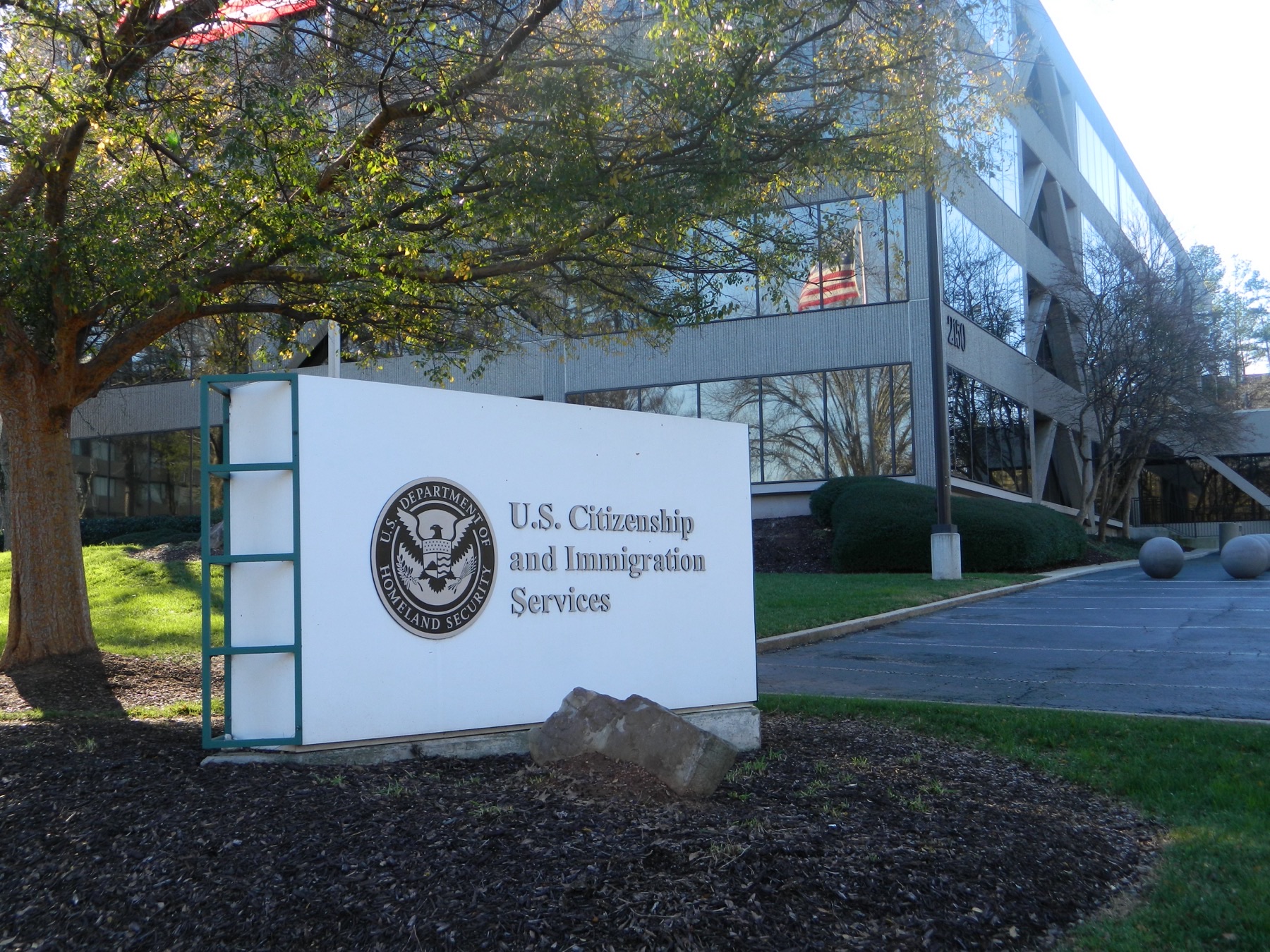
USCIS is the federal benefits agency inside the Department of Homeland Security that handles green cards, work permits, and many work-visa filings. On August 5, 2026, it updated its Policy Manual in an alert labeled PA-2026-05. Officers again have full discretion to deny a benefit request without first sending a Request for Evidence, or RFE, or a Notice of Intent to Deny, or NOID, when required initial evidence is missing or the filing does not show eligibility.
The change applies to requests pending or filed on or after that date, unless another regulation or USCIS policy says otherwise. Officers can still choose to issue an RFE or NOID. What faded is the expectation that they usually will.
For a household, that changes the money math. Form I-485 is the application to adjust status to a green card from inside the United States. An incomplete packet is no longer a cheap do-over. The USCIS fee schedule, Form G-1055, lists $1,440 for most paper filers age 14 and older, or $1,390 online. Form I-765, the employment authorization application many families file with or after adjustment, runs $520 on paper or $470 online in the general category, or $260 when it rides with a paid I-485 that is still pending. A denial can mean paying again, waiting again, and explaining a work-authorization gap to a landlord, a school, or parents who still expect the remittance on the fifteenth.
USCIS says the prior approach invited thin filings. A June 2021 Policy Manual update, from the Biden years, generally steered officers toward RFEs and NOIDs when more evidence might fix a problem. In its August alert, the agency argues incomplete packets slowed processing for everyone else and let some people chase associated benefits, including work permits, while the underlying case sat thin. The regulation underneath, 8 CFR 103.2(b)(8), already let officers deny or ask for more. The new guidance puts that choice back in their hands.
Congress did not pass a new immigration fee law here. USCIS changed how officers may use discretion they already had. If your calendar still assumes “they will ask if something is missing,” rewrite that assumption. Treat the first submission as the record you may have to live with.
Families waiting on documents from abroad feel the timing squeeze twice. When USCIS does issue an RFE, twelve weeks is a ceiling, not a promised default. Officers may set a shorter clock. Notices of Intent to Deny stay capped at thirty days. USCIS also dropped the old practice of adding fourteen extra days when a notice was mailed outside the United States. Mailed notices now get only the ordinary three-day mailing add-on, whether the address is in Edison, New Jersey, or Hyderabad. If parents are chasing university transcripts or property records across a corridor, start that chase before the envelope leaves your house.
If you do get an RFE or NOID and send anything back, even a partial reply, USCIS may treat that as a request for a decision on whatever is already in the file. A partial response is not a pause button.
India-born workers still make up most of the H-1B system that feeds many employment-based green-card queues. USCIS data for fiscal year 2025 put India-born beneficiaries at about 70 percent of H-1B petition approvals, with China a distant second. That is why a filing-quality rule lands hard in South Asian and Chinese American kitchens even when the Policy Alert never names a country. The August Visa Bulletin already warned that EB-1 India could go unavailable before the fiscal year ends, and EB-2 India is already unavailable. Deny-without-RFE is a separate risk on top of date availability. Even a current or soon-to-be-current case can stall if the packet is thin.
The households most exposed are the ones already juggling foreign paper. Families assembling I-485 packages with birth certificates, police certificates, or employer letters that arrive late. H-4 and L-2 spouses renewing work authorization while a principal’s petition sits in limbo. F-1 graduates stacking OPT paperwork beside a job offer that keeps shifting. Small-business owners whose counsel used to file thin and wait for the RFE list. “File now, gather later” is exactly the habit USCIS says it wants to shrink.
A denial is not the end of every case. Some people can refile. Some can file Form I-290B, the notice of appeal or motion, usually within thirty days of the decision, or thirty-three if it was mailed. The fee schedule lists a general I-290B cost of $800 on paper. Motions and appeals have their own rules, and not every denial is a good candidate. That path belongs with a lawyer. The money point for the kitchen table is simpler. Budget as if the first filing fee might not be the last, and as if a work-permit gap could interrupt income for months.
The useful prep is unglamorous. Read the form instructions for every form in the packet, not only a friend’s cover letter from two years ago. Build an exhibit checklist against the current USCIS instructions the week you plan to file. Keep scans of every page you send, plus proof of delivery. If relatives abroad hold originals, set a hard courier date before you pay the fee. Run the live USCIS fee calculator before you write checks, because schedules move. If rent, tuition, or remittances cannot pause when work authorization does, put a cash buffer next to the filing calendar in the Family Support Budget Calculator.
If a job change is also on the calendar, Visa Job Change and Benefits Gap Basics for Diaspora Professionals maps the runway questions that sit beside any petition. Cross-Border Family Wealth and Paperwork Basics helps when the missing document is a foreign deed or bank letter, not a U.S. pay stub. Keep dates, receipt numbers, and who holds which original on the Household Dashboard.
None of this is legal advice for your specific case. Status, form type, and what is already in the record decide the next move. If a receipt is pending or a denial lands, talk to a qualified immigration attorney before you refile or travel. The Policy Manual change does not invent a new fee. It can still turn a paperwork miss into a second fee and a harder month at home.
Complete on day one used to be best practice. After August 5, it is the safer way to plan.
Related content
Further diaspora reading
- August Visa Bulletin freezes EB-1 India at Oct. 15, 2022. State warns the category may go unavailable within weeks. (Generational)
- Visa Job Change and Benefits Gap Basics for Diaspora Professionals (Generational)
- F-1 “duration of status” ends Sept. 15. Your I-94 gets a hard end date, and travel can flip you early. (Generational)
- Green Card Holders, Even Naturalized U.S. Citizens, Face New Peril in International Travel (Goldsea)
- U.S. Visa Rules Are Tightening Just as Asian Travel Demand Accelerates (Transpacific Bound)
Generational Take
Get the next Generational Take
Get our latest practical tips and takes in your inbox. No spam.