
August Visa Bulletin freezes EB-1 India at Oct. 15, 2022. State warns the category may go unavailable within weeks.
EB-2 and EB-5 unreserved India are already closed for the rest of FY2026. For India-chargeable professionals, the new risk is a hard stop on EB-1 numbers before September 30, not a cancelled petition.
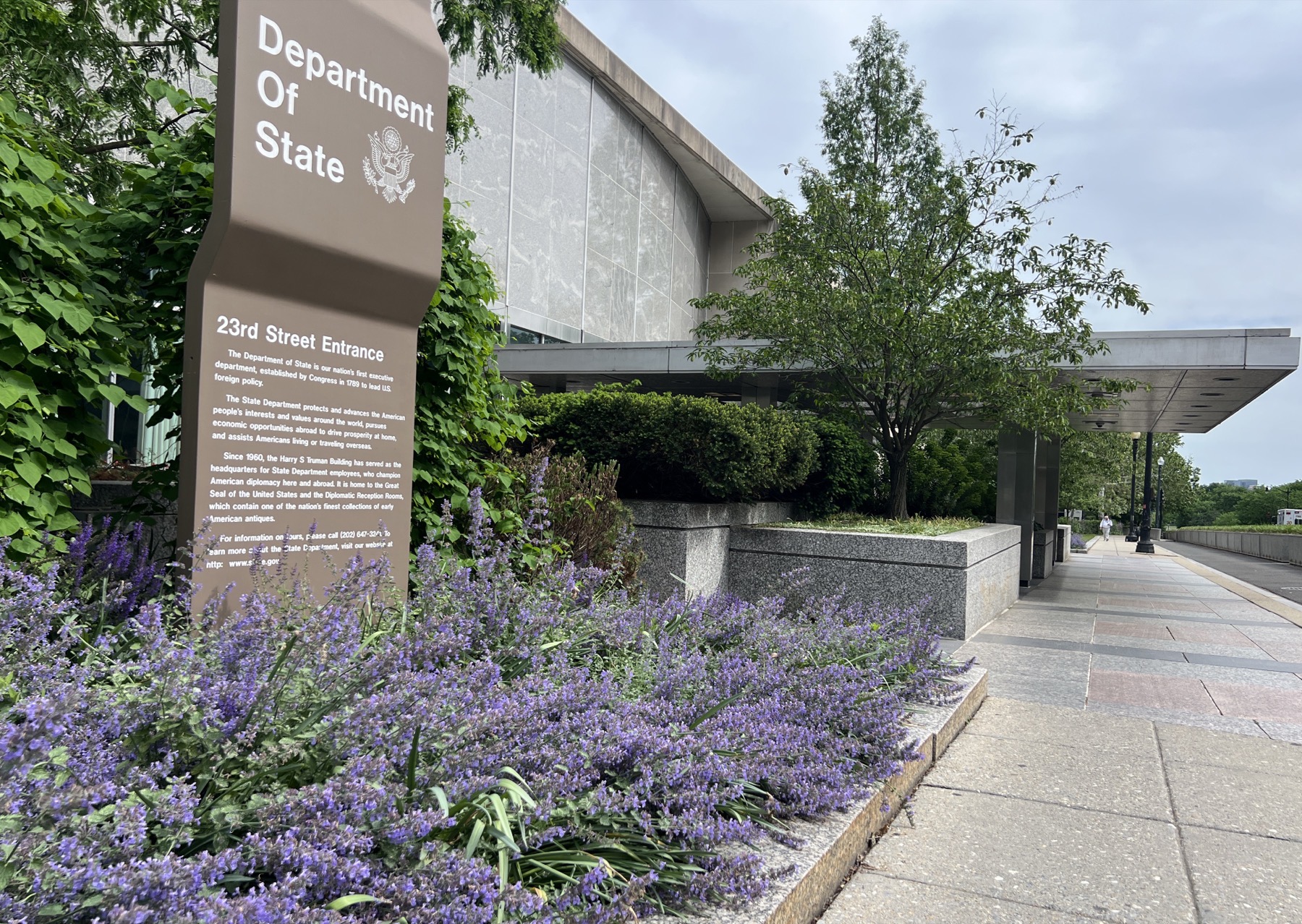
The August 2026 Visa Bulletin did not move India’s employment first preference. The Final Action Date for EB-1 India stays October 15, 2022. What is new is the warning in Section E: high demand and number use by India-chargeable applicants may force the State Department to make EB-1 India unavailable in the coming weeks if India’s prorated limit is reached before the fiscal year ends on September 30. For Bay Area, Seattle, and New Jersey tech households waiting on a green card, that is a calendar risk, not a rumor thread.
A Visa Bulletin is the monthly State Department table that says which immigrant visa numbers can be issued. Final Action Dates control when a green card can be approved or an immigrant visa stamped. Dates for Filing tell some applicants when they may submit paperwork earlier. “C” means current. A calendar date means only people with an earlier priority date can get a number. “U” means unauthorized: no numbers in that category until the next fiscal year opens, usually October 1. USCIS said that for August, employment-based adjustment filers must use the Final Action chart, while family-sponsored filers use Dates for Filing.
EB-1 is the employment first preference for priority workers: people with extraordinary ability, outstanding professors and researchers, and certain multinational executives and managers. It is supposed to be the faster employment lane. For most of the world it is still current. China advanced one month to July 1, 2023. India is the exception that matters for a large share of H-1B and L-1 households. Holding at October 15, 2022 means final approvals in August still need a priority date earlier than that cutoff. The Section E line says even that window could slam shut if demand burns the remaining India EB-1 allotment before year-end.
India already knows what Unavailable looks like. EB-2 India and EB-5 unreserved India stay marked “U” for the rest of FY2026. EB-3 India remains stuck at January 1, 2014. The bulletin also flags that EB-2 worldwide may need retrogression or unavailability in the coming months if demand stays hot. Those lines sit next to a quieter advance elsewhere: worldwide EB-3 Final Action moved to September 1, 2024, and China EB-3 edged to January 1, 2022. Progress for some chargeability areas does not refill India’s EB-1 bucket.
The structural reason is familiar. The Immigration and Nationality Act caps how many preference visas natives of any one country can take in a year, generally 7 percent of the combined family and employment preference limits. The August bulletin restates that per-country figure at 25,620 and names China-mainland born, India, Mexico, and the Philippines as oversubscribed. Demand from India-born professionals has outrun that architecture for years, which is why even EB-1, once nearly current for India, now carries a fiscal-year exhaustion warning.
Unavailable is a hard stop on number issuance, not an erasure of your case. An approved I-140 and a locked priority date do not disappear when a category flips to “U.” What stops is the government’s ability to issue immigrant visa numbers in that category until new fiscal-year numbers arrive. If you are already documentarily complete and your date is earlier than October 15, 2022, the practical pressure is to clear outstanding RFEs, answer National Visa Center document requests, and keep employer counsel in the loop while numbers still exist. This is not legal advice and not a prediction that Unavailable is certain. It is a reminder that State said it is monitoring the category week by week.
Do not let the family side of the same bulletin confuse the household plan. F2A, the preference for spouses and minor children of permanent residents, jumped on the Final Action chart to July 22, 2026 for most countries, an enormous leap from January 1, 2025. That is good news for many LPR family reunification cases. It does nothing for an India-born EB-1 principal whose employment numbers may run out. Read the employment chart for the job, the family chart for the relative, and keep the two decisions separate in the budget.
For money, treat green-card timing as a runway item beside rent, RSUs, and a spouse’s work authorization. A job change that breaks the petition path, a house purchase that assumes a card by a school year, or a parent-support promise that needs unrestricted travel all get riskier when EB-1 India might pause before October. Keep cash and employer benefits continuous through a status gap. Cap family sends so a delayed card does not force a scramble. Check the live bulletin and USCIS chart page before you treat any Reddit screenshot as current.
October 1 will refill the annual counters. It will not erase the multi-year India backlog that put October 2022 priority dates at the front of EB-1 in August 2026. The useful next step is narrower: know your priority date and chargeability, know which chart USCIS is using this month, and build a household plan that still works if EB-1 India goes dark for a few weeks at the end of the fiscal year.
For job and status sequencing, start with Visa, Job Change, and Benefits Gap Basics for Diaspora Professionals and Dual-Career Visa Household Planning for Diaspora Couples. Keep cash honest with Emergency Fund Benchmarks When Family Depends on You, and map equity timing with RSU Vest Day Playbook for Diaspora Households beside the Family Support Budget Calculator.
Related content
Generational Take
Get the next Generational Take
Get our latest practical tips and takes in your inbox. No spam.