
A school would pay $70,000 before the first OPT recommendation. The STEM extension is $30,000 more.
The school is the name on the form. Homeland Security says it may pass the $70,000 to the student or the employer. Comments close November 9, and today's work-permit filing is still $470 online.
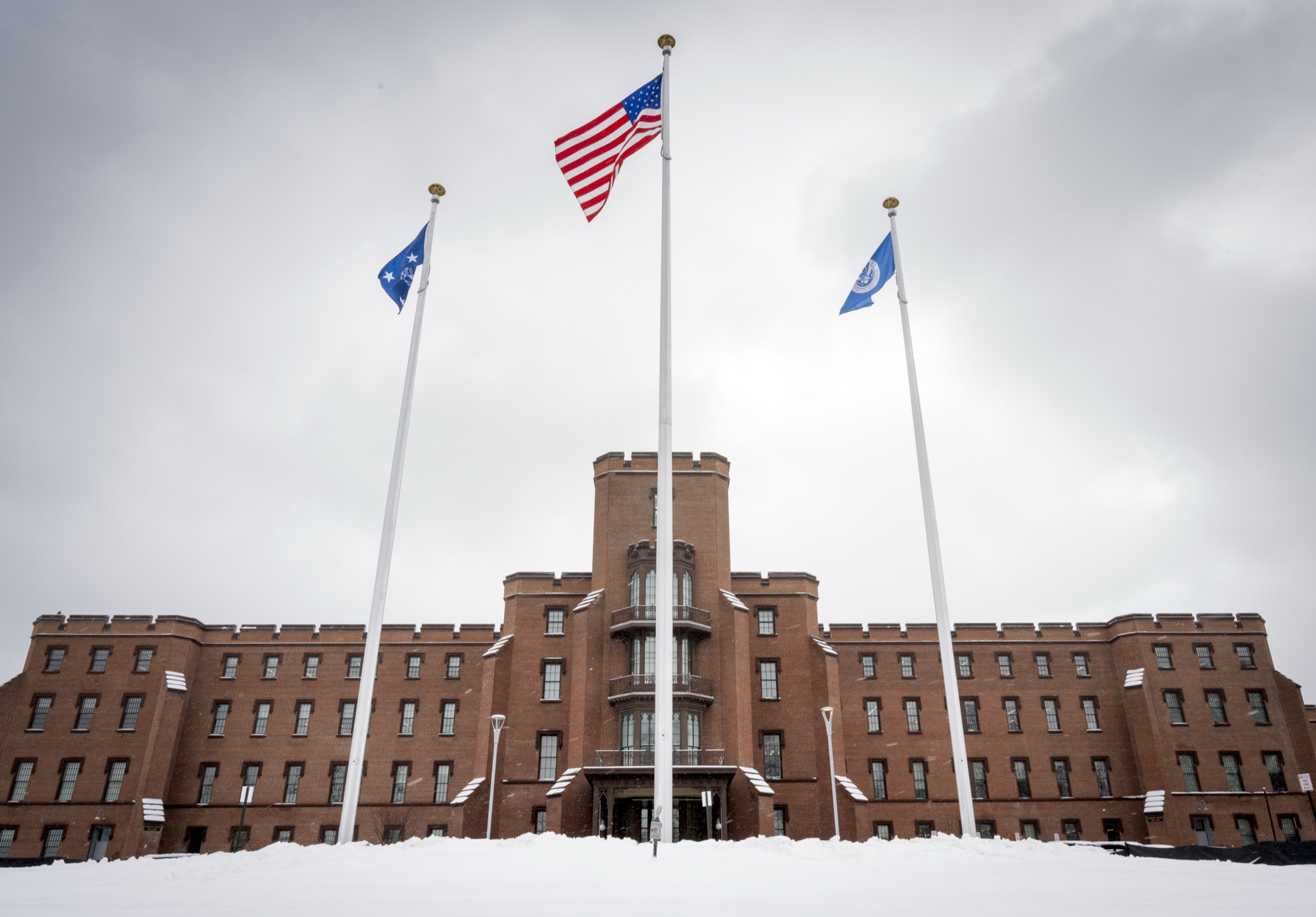
On October 8, Homeland Security proposed that a school pay $70,000 before it recommends the first work year for an F-1 student, and $30,000 before every recommendation after that. Comments close at 11:59 p.m. Eastern on November 9. Nobody is collecting the money.
The form is addressed to the school. The department says the school may hand the bill to the F-1 student, to every student on campus, or to the employer. A parent who has been wiring tuition does not have another $70,000 sitting in a U.S. account for a signature the international office gave for free last month. Email that office and ask which of the four it would do: pay, charge the student, ask the employer, or stop signing. Keep the reply.
Optional practical training is the work permission tied to the major. It runs up to 12 months at each degree. A science, technology, engineering, or math degree can add 24 months on top. The international-office staffer, a designated school official, signs the recommendation onto Form I-20, the eligibility form the school issues. The student still files Form I-765, the work-permit application, with U.S. Citizenship and Immigration Services. Online that form is $470. On paper it is $520. Rushing it costs $1,780. The new fee would have to clear before the school is allowed to sign, and the $470 would still be the student's.
Open Doors, the State Department census compiled by the Institute of International Education, counted 294,253 international students on this work permission in the 2024-25 year, up 21 percent. India had 143,740 of its 363,019 students in the United States on it. China had 61,981 of 265,919. About 206,000 of the 294,253 came from those two countries. If the family chat is full of cousins finishing computer-science degrees, this is the number that will get forwarded.
The 24-month extension is mostly the same two countries. Immigration and Customs Enforcement recorded 165,524 of those authorizations in 2024. India was 79,331 and China was 33,807, just over two-thirds of the file. South Korean citizenship accounted for 4,113. Open Doors still ranks South Korea third for enrollment, at 42,293 students.
The school pays before that staffer types the recommendation into SEVIS, the database ICE uses to track foreign students. Miss the payment and Citizenship and Immigration Services will hold the work card. Switching companies leaves the fee where it was. The school has to sign again, and that second signature is another fee. Homeland Security's own example is the path a lot of master's students take: training before graduation, then the year after, same company. First signature $70,000. Second signature $30,000.
A student who already has the recommendation, or who is already working on an approval from before any final rule, keeps that stretch. The department says a final version would start 60 days after publication. It has not published one.
The first signature dated after that start is the $70,000, even when the form is the STEM extension and the earlier year was approved under today's rules. Each signature after the $70,000 has been paid is $30,000. A 24-month extension is one signature, so that $30,000 covers both years. Training before the degree, the year after, and then the extension would be three: $70,000, $30,000, and $30,000.
Homeland Security says it chose a figure near the $100,000 payment in a September 19, 2025 proclamation on certain new H-1B petitions. Congress caps that visa at 65,000 a year, plus 20,000 for a U.S. master's or higher. The training program has no cap. The department says graduates and employers have been using it to skip the H-1B charge.
A federal court in Massachusetts vacated the guidance for that $100,000 payment on June 8, 2026, in State of California v. Mullin, a suit by twenty states. The First Circuit declined to pause the order on July 24. Citizenship and Immigration Services says it is following the court while it decides what comes next. The training proposal is still priced off the $100,000.
The checks would go to the Treasury as miscellaneous receipts, which is general federal money. ICE runs the student database and is barred from keeping the fee. In 2016 the department guessed the STEM extension might reach about 92,000 people by this year. The 2024 count was 165,524.
A summer job written into a course is a different permission, curricular practical training, and this proposal leaves it alone. In August, ICE told schools that kind of placement has to be required for the students in the program. If the offer letter says CPT, the $70,000 is not the line on it.
The school can ask for a refund if the work card never comes. After the card is issued, the proposal keeps the fee. Brown and Yale have both told students to file the application they have now. An I-765 due this month is still the $470 form.
A comment, if you want one on the public record, goes through regulations.gov under docket ICEB-2026-0100 by November 9. The notice says a letter or an email will not be treated as a comment, and that your name posts with it. December 7 covers only the paperwork section.
While you wait on the school's email, the other file is the gap between the degree and a sponsored job. Visa and Job Change Runway When Leave Means Status Risk is for those months. Visa Job Change and Benefits Gap Basics for Diaspora Professionals covers the health insurance that can lapse in the same stretch.
This is educational reporting on the proposed rule, the Open Doors census, ICE's 2024 student statistics, and the USCIS fee schedule. It is not immigration advice. The international office, and a lawyer on the student's own file, can say which form comes next.
Related content
Further diaspora reading
- Visa and Job Change Runway When Leave Means Status Risk (Generational)
- Visa Job Change and Benefits Gap Basics for Diaspora Professionals (Generational)
- Dual-Career Visa Household Planning for Diaspora Couples (Generational)
- On Blind, H-1B grace-period searches hit 36 per 1,000. Home and 401(k) talk collapsed. (Generational)
- Consular H-1B petitions fell 91% after the $100,000 fee. The annual cap still filled. (Generational)
Generational Take
Get the next Generational Take
Get our latest practical tips and takes in your inbox. No spam.