
A Midwest farmer hit $1 million at 41, with help from family land and discipline
An anonymous profile follows a public affairs director whose first farmland purchase became his best investment and whose mother helped with the down payment.
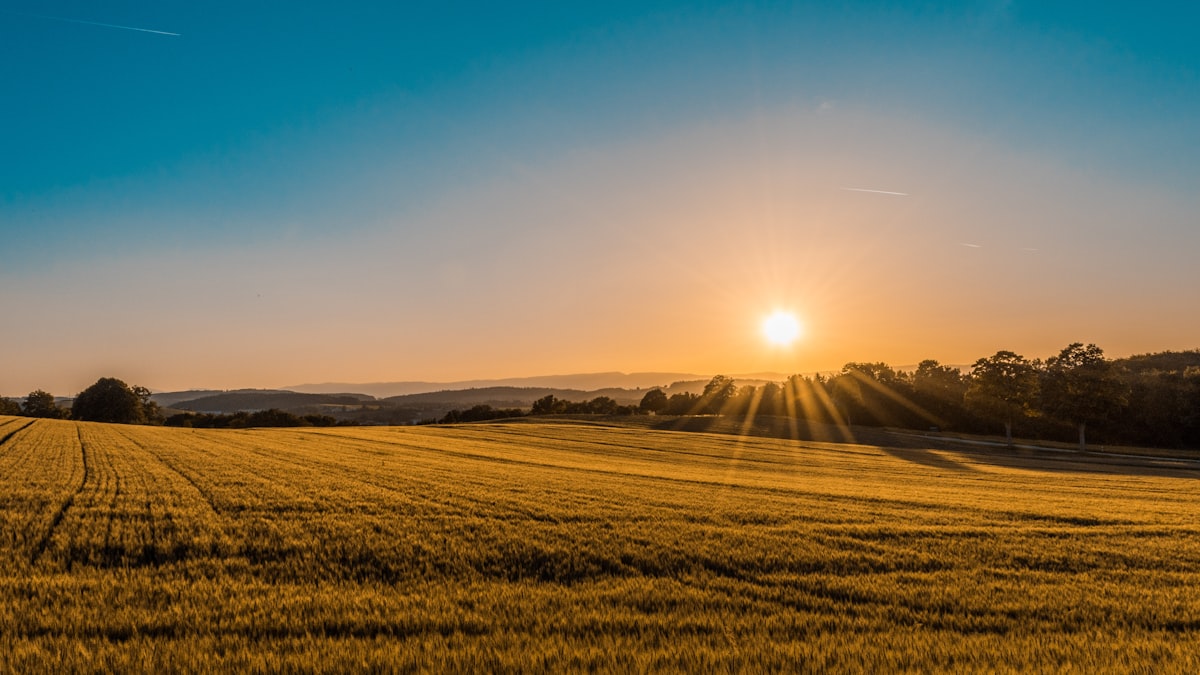
Kiplinger's My First Million series profiled an anonymous fifty-three-year-old public affairs director and farmer in the Midwest who reached a net worth of one million dollars at age forty-one. His first farmland purchase, priced around one hundred four thousand dollars, became his best investment over time. He described land as a long-hold asset that rewarded patience more than trading headlines.
Immigrant families understand land as more than an asset class. It can mean homeland left behind, a vineyard an uncle still tends, or the first house purchased where soil and stock indexes never came up at dinner. The mother's down payment gift rhymes with how diaspora wealth often starts: one generation supplies the lump sum, the next supplies the paperwork fluency and career income to keep it.
He identifies as land rich and cash poor, a common farm-country balance sheet shape where equity grows while monthly liquidity feels tight. Land rich, cash poor is a familiar tension when parents pour everything into property while children worry about liquidity for medical bills, tuition, or a sabbatical nobody in the family has taken yet.
He reported maintaining a fifteen to twenty percent savings rate across good years and bad, treating that band as a personal rule rather than a temporary challenge. A fifteen to twenty percent savings rate sounds disciplined. It also reflects privilege when housing costs are lower and family help already removed the hardest first rung on the ladder.
During market downturns he panicked internally but largely stayed the course, citing Warren Buffett and Charlie Munger as mental anchors against what he called financial pornography. Panic during downturns without selling is a muscle many first-gen builders are still training. Parents who lived through inflation abroad may read volatility differently than children who only know U.S. bull markets on a phone chart.
His W-2 income from public affairs work provided stability while farm operations and land appreciation built wealth on a slower clock. Public affairs work plus farming mirrors hybrid careers common in immigrant households: respected day job, side enterprise that feels like identity, both feeding the same long-term goal.
He emphasized boring decisions repeated: living below his means, reinvesting, and avoiding flashy products marketed as shortcuts. Farmland is not a universal diaspora strategy. It is a reminder that real assets with family story attached can outperform when held across decades, especially when paired with a steady paycheck.
Farmland values cycle with commodity prices, interest rates, and weather. The profile is one person's retrospective, not a guarantee that every acre duplicates his outcome. Kiplinger keeps identities anonymous to encourage candor on salaries, gifts, and mistakes. Readers see patterns more than a playbook to copy verbatim.
When elders gift down payments, younger recipients sometimes carry unspoken pressure to never sell. That pressure can lock up wealth exactly when the family needs flexibility. Reaching one million dollars at forty-one did not end his farming or public affairs career. The useful question is what cash buffer existed while net worth crossed seven figures, not just how fast it happened.
For children of immigrants, a parent's gift may echo stories of money wired from overseas for a first home down payment. The instrument changes; the intergenerational launchpad does not. The generational lesson is less buy acres and more name the inputs: family gifts, savings rules, emotional discipline, and skepticism toward hype are transferable even when the asset class is not.
Read your own family balance sheet alongside this profile: what was gifted, what was saved, and what still needs a cash cushion before anyone calls the household wealthy. See Family Gifts and Down Payment Home Buying and How to Build Generational Wealth as a Child of Immigrants for planning frameworks.
Related content
Generational Take
Get the next Generational Take
Get our latest practical tips and takes in your inbox. No spam.