
Bae Jin-hyung takes TonyMoly's largest stake at 26.5%. Gift tax still looks like about ₩14.6 billion.
Founder Bae Hae-dong gifted 4.86 million shares to his eldest daughter and co-CEO near a stock soft patch. Family control stayed at 52.9%. The useful file is succession equity plus the cash to pay Korea's gift tax.
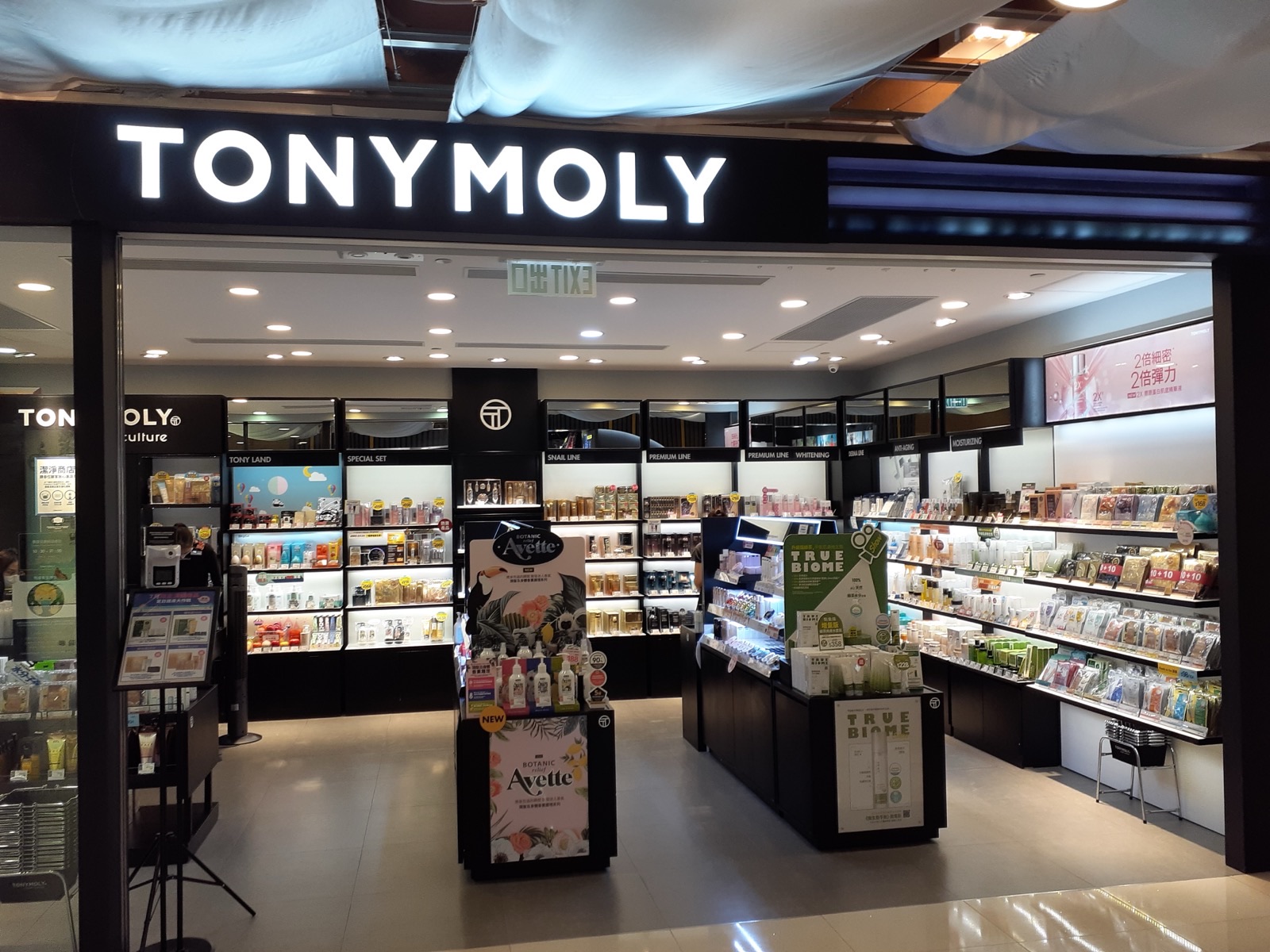
On September 3, TonyMoly disclosed that Bae Jin-hyung, the company's co-chief executive and the founder's eldest daughter, had become its largest shareholder. Her father, chairman Bae Hae-dong, gifted her 4.86 million shares. Her stake rose from 6.30 percent to 26.50 percent. His own holding fell from 27.81 percent to 7.61 percent.
The Bae family's combined control did not budge. Related parties still held 52.90 percent. What changed was whose name sat on top of the filing, and who now owes Korea's gift tax on a transfer timed while the stock was soft.
That is the useful file for Korean American and other diaspora households that still own a beauty shop, a franchise, or Korea-listed shares. The title can move in March. The ownership can move in September. The cash to pay the tax bill is a separate problem, and dividends rarely solve it.
TonyMoly is the Seoul K-beauty brand behind playful lip tints, sheet masks, and skincare already on Target, Ulta, and Macy's shelves in the United States. Bae Hae-dong built it in 2006 after years making cosmetics containers, first as a designer at Julia Cosmetics and then through the family firm now known as Taesung Industry. The packaging habit stuck. The brand name is a play on putting style into the bottle. TonyMoly listed on the Korea Exchange's main board in July 2015. Consolidated sales reached about ₩220.3 billion in 2025, up roughly a quarter from the prior year, while net income fell about 31 percent as marketing costs rose.
Bae Jin-hyung was born in 1990, graduated from New York University, and joined TonyMoly's overseas business team in September 2015. Six months later she was on the board at 26, which drew the usual second-generation side-eye in Korean coverage. She stayed inside the company for about a decade: overseas business head, then strategy and future-strategy roles, then executive vice president and vice president. On March 31, 2026, the board made her co-CEO beside Kim Seung-chul, a professional manager who has led TonyMoly since 2022 after a long stretch in Amorepacific's Korea sales ranks. Amorepacific is one of Korea's largest beauty groups, the parent of Laneige, Sulwhasoo, and other brands U.S. shoppers already know.
The pairing looks like a classic family-firm move: keep a proven operator on domestic channels, put the heir on the global brief. Overseas sales were still only about 22 percent of revenue in 2025, even after Target put TonyMoly into roughly 1,500 U.S. doors in 2023. First-quarter 2026 coverage put the overseas share closer to 27 percent. That is progress, not a finished turnaround. The March title gave her day-to-day authority. The September gift gave her the largest single stake.
The timing of the gift matters as much as the percentage. TonyMoly's share price had fallen hard from earlier peaks near ₩11,000 and higher, with a 52-week low around ₩4,190 in late July. Top Daily, a Korean business outlet that walked through the disclosure, valued the gift near ₩24.3 billion at about ₩5,010 a share around the filing window.
Under Korea's Inheritance and Gift Tax Act, gifts of shares from a largest shareholder can face a 20 percent valuation premium. Apply that premium and a rough top-bracket 50 percent rate, and Top Daily's estimate puts Bae's gift-tax bill near ₩14.6 billion, roughly $10 million at recent won rates. In Korea the person who receives the gift generally pays. Actual tax turns on deductions and how the National Tax Service, Korea's tax agency, scores the deal. A soft stock price can cut the tax base. It does not erase the bill.
Cash is the awkward part. Bae was not on the company's list of executives paid more than ₩500 million last year, about $360,000, and TonyMoly dividends to her before the gift were modest. Top Daily put those dividends around ₩75 million in a recent year, and about ₩260 million across 2024 and 2025 combined. The company also cut its cash dividend to ₩50 a share from ₩120. Even on her enlarged stake, ₩50 a share would throw off only about ₩319 million pretax. Restore the old ₩120 rate and she would still clear only about ₩765 million. Neither covers a ₩14.6 billion estimate. Korea does allow installment payments for large gift-tax bills, usually up to five years with collateral when the tax exceeds ₩20 million. That stretches the calendar. It does not invent liquidity.
The family has another cash faucet outside the listed company. Jeong Sook-in, Bae's mother, is CEO of Taesung Industry, the private cosmetics-container firm, and owns half of it. Bae Hae-dong holds 30 percent; Bae Jin-hyung and her elder brother Bae Seong-woo hold 10 percent each. Taesung resumed dividends in a recent year and paid out more than its net profit, according to Top Daily, sending cash straight to the family. That structure helps explain how a second-generation heir can owe a large gift tax without a matching public-company paycheck. It also means succession cash can come from a related private firm most U.S. shoppers never see on the shelf.
Other Korean beauty families have already shown what happens when the tax comes due. At Amorepacific, younger daughter Suh Ho-jeong sold shares in 2026 after gifts from her father, chairman Suh Kyung-bae, and said the sales were to raise cash for gift tax. One path is to keep the shares and find cash elsewhere. Another is to sell some of the gift to pay for the gift. Paper control and spendable cash are different columns on the same statement.
Inside the Bae household, the September filing also answers a quieter sibling question. Jeong kept her roughly 12.6 percent TonyMoly stake. Bae Seong-woo kept about 6.2 percent. Neither received the operating block. At Taesung the siblings still sit at matching 10 percent stakes. At TonyMoly the daughter who ran overseas and took the co-CEO seat got the control gift. Families that treat equal ownership as the same thing as equal operating power should read that difference twice.
U.S. readers should not paste Korea's rates onto a California LLC. For 2026, the IRS annual gift-tax exclusion is $19,000 per recipient, and the basic lifetime exclusion sits at $15 million per person under current law. Different country, different brackets. The shared homework is the same: if parents plan to gift business equity, price the tax and name the cash source before the paperwork, not after the family group chat.
If your family still runs a shop, start with Succession and Exit Planning for Immigrant-Owned Family Shops and How to Build Generational Wealth as a Child of Immigrants. Cross-border wills and Korea or U.S. property questions sit in Cross-Border Inheritance and Probate Awareness for Diaspora Families. For a cleaner cousin of a large family transfer, keep Parent Down Payment Gift Playbook That Closes Clean next to the accountant call. Put parent support beside rent in the Family Support Budget Calculator so a succession year does not quietly raise every other wire.
Bae now holds the largest single stake in a brand U.S. shoppers already recognize. The next test is whether overseas shelves grow fast enough, and family cash holds up long enough, that she never has to sell the shares that made her largest shareholder.
This is educational reporting on public disclosures and tax rules, not tax, legal, investment, or succession advice. Gift-tax estimates in Korean press are approximate. Your facts, residency, and counsel decide the real number.
Related content
Guides
Further diaspora reading
- Succession and Exit Planning for Immigrant-Owned Family Shops (Generational)
- Tina Lee takes T&T into California. San Jose's first week beat every Loblaw opening. (Generational)
- From Seoul with Glow: K-Beauty Skincare Regimen Revamps Beauty Practices (Goldsea)
- Cross-Border Inheritance and Probate Awareness for Diaspora Families (Generational)
- Equal Isn't Always Fair: How Asian American Families Divide an Inheritance (Generational)
Generational Take
Get the next Generational Take
Get our latest practical tips and takes in your inbox. No spam.