
Michael Chang left Wall Street so his Taiwanese immigrant parents’ sacrifice could mean time with his kids, not just a title.
Ten years of M&A at Citi, Merrill, and Jefferies. Then a 2018 exit into short-term rentals with his wife. The useful stake for first-gen readers is sandwich-generation calendar control, not an Airbnb course.
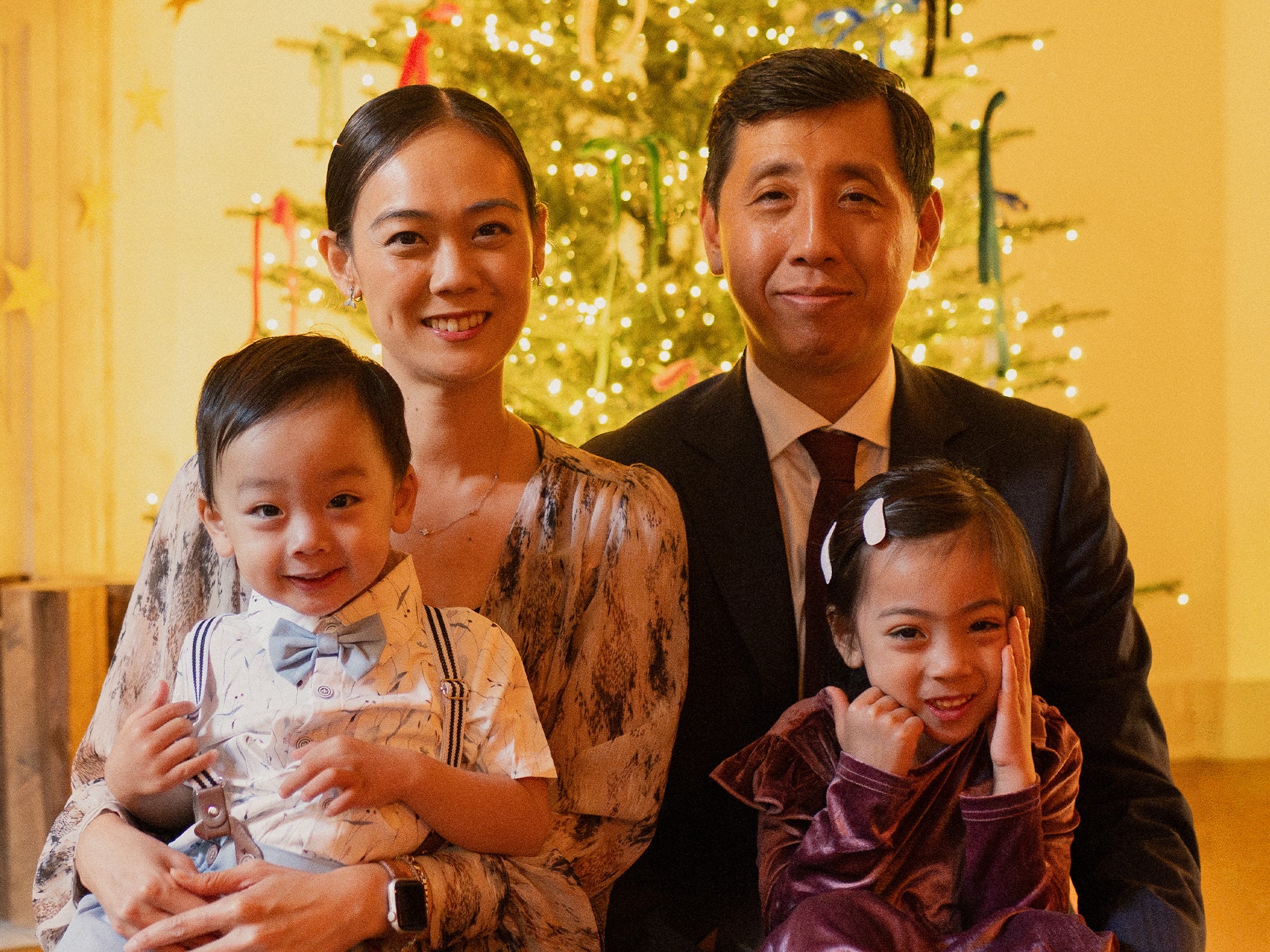
Michael Chang’s mother used to tell people her son worked on Wall Street. That sentence was the payoff for a Taiwanese immigrant household that moved to San Francisco when he was four, with his father in airport work and his mother in hotel union service jobs. She walked to work to save bus fare so the family could buy a house. He went to UC San Diego on Pell Grants, took a pay cut into a Craigslist temp role at the early Glass Lewis proxy shop, then earned a Cornell MBA and spent about a decade in mergers and acquisitions at Citi, Merrill Lynch, and Jefferies. In a July Business Insider as-told-to essay, he explained why he walked away in 2018. The useful file for first-gen readers is not a vacation-rental pitch. It is how a diaspora household prices time with kids and aging parents against a title their parents can finally brag about.
He saw the trade clearly before he had children. A colleague turned comments on a board deck while his first child was being delivered, then returned to the office the next day for the deal. “That’s the job,” Chang remembered thinking. Banking optimized his calendar for the firm. He wanted a life optimized for family. With his wife, Elizabeth, who worked in fashion at Kate Spade, he spent about a year and a half building a short-term rental side hustle on nights and weekends. Then he quit. One managing director froze when he heard the reason. Immigrant parents who had stretched for the bank badge often hear that freeze at the dinner table too.
The business did not soft-land. During COVID, bookings vanished while rent on leased apartments still came due. For a stretch he wondered whether he would have to return to banking. Later in 2020 they bought their first owned property in Tennessee’s Great Smoky Mountains, chasing short-term rental tax treatment as travel patterns shifted. Business Insider verified their claim of an eight-home portfolio and a mentorship practice that has helped more than 100 clients buy investment property. It took about three years, he said, to get back to the financial footing he had when he left the bank. That recovery math matters more than the highlight reel. Side hustles that look like freedom on LinkedIn still carry lease risk, occupancy risk, and a spouse’s career timing.
Elizabeth’s role is easy to miss in banker-exit stories. She married a banker and still helped build the exit ramp, then co-ran operations while they had two children in New York. Dual-career diaspora households know that version: one partner’s status climb and the other’s fashion or tech job both get renegotiated when the calendar breaks. Chang is blunt that entrepreneurship is also never off the clock. The difference is who owns the upside and the downside. He still misses the intellectual firepower of banking colleagues and clients. He does not miss someone else deciding whether he sees a first moment once.
This summer he is spending seven weeks in Taiwan, taking the children to summer camp and visiting Elizabeth’s parents while the business keeps running. He says he could never have done that as an investment banker. He would have dropped the kids off, hugged them, and disappeared for two months. His own parents are older now in San Francisco, and he can spend more time helping care for them. He frames that as a small repayment for the walk-to-work years. Care.com’s 2026 sandwich-generation survey found more than half of dual caregivers have turned down a promotion, raise, or new opportunity because of the load. Asian American caregivers often carry an extra cultural expectation that adult children will show up in person. Chang’s move is one household’s answer to that sandwich, not a template.
His mother can no longer say her son works at a big bank. She says he went to Cornell. He says they have come around after watching how much time the family actually spends together. That soft landing is the emotional core for many first-gen professionals: the prestige line that funded the Pell Grant path eventually has to make room for the care calendar. Generational wealth talk usually starts with RSUs, remittances, and down payments. It should also ask who gets your Tuesday afternoons when a parent in the Bay Area needs a ride and a child in New York needs a parent who is not on a deal call.
None of this is advice to quit finance for Airbnb, chase bonus depreciation, or buy a mentorship package. Short-term rentals are local regulation, insurance, and occupancy risk with a marketing layer. Tax rules around cost segregation and material participation change and depend on your facts. Treat Chang’s portfolio size as proof that some exits survive a wipeout year, not as a yield promise. The practical checklist is narrower. Write down what “good parent” and “good adult child” require in hours per month. Cap the career that buys those hours only if the household can fund rent, retirement, and parent support through a bad year. Decide with your partner who holds the status story for the grandparents and who holds the Tuesday calendar.
Start with How to Build Generational Wealth as a Child of Immigrants and First-Gen and Immigrant Layers of the Bamboo Ceiling. When aging parents enter the plan, keep Parent Care Cost Benchmarks for Diaspora Adult Children beside the Parent Care Cost Planner and the Family Support Budget Calculator. Dual-career couples renegotiating whose job funds the exit should also keep Dual-Career Visa Household Planning for Diaspora Couples in the folder even when status is not the binding constraint. Time is still a household asset.
Related content
Generational Take
Get the next Generational Take
Get our latest practical tips and takes in your inbox. No spam.