
Jejurikar puts P&G into Thorne for $3.8 billion. The kitchen-table file is your wellness aisle, not the M&A trophy.
The Indian-origin chairman and CEO told CNBC that Tide’s parent is buying the practitioner-trusted supplement brand from L Catterton. For diaspora households, the useful stake is premium self-care spend and what a Health Care bet means if you hold PG shares.
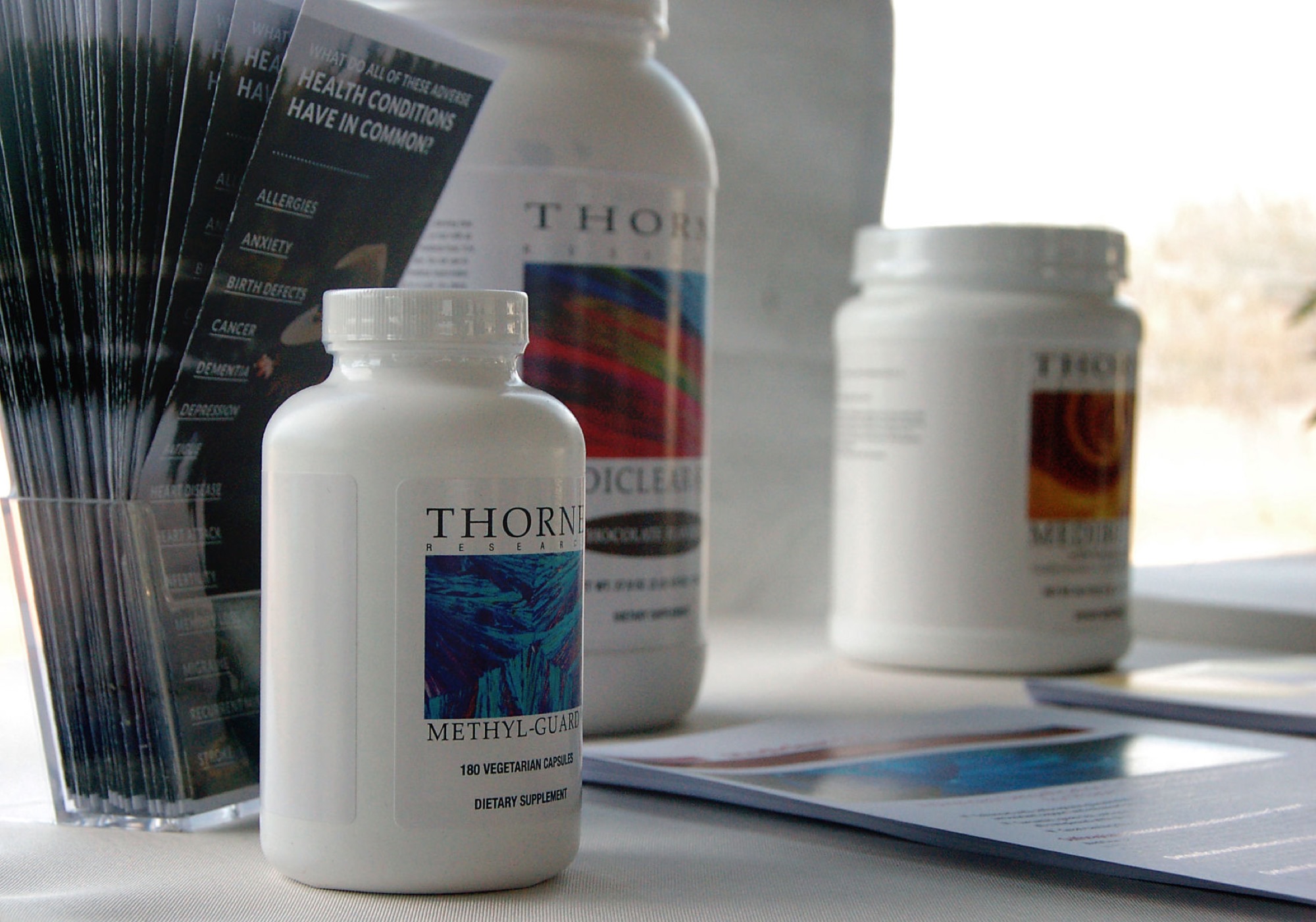
Shailesh Jejurikar did not wait for a quiet press release. On Tuesday morning he told CNBC’s Squawk on the Street that Procter & Gamble would buy Thorne, the science-backed supplement company, for $3.8 billion.
P&G later posted that Thorne would join its Health Care portfolio, with closing expected later in 2026 if regulators and other customary conditions clear. Jejurikar, who added chairman of the board to his CEO title on August 1, called the asset well run and long-lived. On price, he told CNBC it looked fair for Thorne’s growth rates and “in line with the industry benchmarks we’ve seen.”
For Indian American and other diaspora households, the useful file is not another Cincinnati victory lap. It is the aisle you already shop. Magnesium, probiotics, “clean” multivitamins, and practitioner-recommended bottles sit next to Vicks and Oral-B in a lot of first-gen medicine cabinets. Big consumer companies are paying private-equity prices to own that habit.
Thorne started in 1984 as a clinician-facing brand, later moved manufacturing and headquarters to Summerville, South Carolina, and built a reputation for purity testing and practitioner trust. It went public in late 2021 at a valuation around $525 million. L Catterton, the LVMH-linked consumer private equity firm, took it private in 2023 for about $680 million. CNBC, citing the company, said annual revenue topped $500 million in 2025. Earlier this year CNBC reported an expectation near $650 million for 2026. A majority of sales, the network said, come from shoppers under 40, with direct-to-consumer growing fast.
That math explains the auction. Reuters reported in June that Haleon, the Advil and Centrum owner, was among bidders while Financial Times coverage put process talk near $4 billion. P&G won. L Catterton’s roughly three-year hold turns a $680 million take-private into a $3.8 billion strategic exit if the deal closes as framed.
Inside P&G, Thorne would sit beside New Chapter vitamins, Metamucil, and Align Probiotic in a Health Care segment that also houses Oral-B and Vicks. Paul Gama, chief executive of P&G Health Care, said in the company note that Thorne’s practitioner credibility fits growing demand for self-care and personalized wellness. Company materials put Health Care at about 14 percent of P&G net sales and cite a consumer-health retail pool north of $375 billion. Thorne alone is still a small slice of an $87 billion company. The signal is where Cincinnati wants growth when laundry volumes are harder.
Timing matters for readers who hold PG in a brokerage or 401(k). On July 29, P&G reported fiscal 2026 net sales of $87.0 billion, up 3 percent, with organic sales up only 1 percent. Jejurikar called it a foundation-building year. For fiscal 2027 the company guided all-in and organic sales growth of 1 to 3 percent. In the April–June quarter, Health Care was the softest volume story, with organic volume down 3 percent and organic sales down 1 percent, while Beauty stayed firmer. A premium supplement brand is a bet that younger wellness spend can help where oral care and other health lines are softer.
The category is crowded and loosely regulated compared with drugs. Under the Dietary Supplement Health and Education Act of 1994, most U.S. dietary supplements are treated as a food category. Manufacturers generally do not need FDA pre-approval the way a new drug does. Quality still varies. That is part of why practitioner-trusted brands command multiples, and why a Tide parent wants the credibility. It is also why a $3.8 billion label does not make every bottle in your cart medically necessary. Supplements are not a substitute for care, insurance, or an emergency fund.
Rivals are buying the same trend. Unilever agreed in April to acquire U.S. greens-gummy brand Grüns as it leans into beauty and wellbeing. Forbes put that deal near $1.2 billion. Whether the bottle is clinical white or gummy-bright, CPG balance sheets are chasing adherence and premium pricing in vitamins, minerals, and supplements.
If you work at P&G or hold the stock, treat the announcement as a capital-allocation clue, not a vest-day permission slip. Map any RSUs or taxable shares against the Family Support Budget Calculator the same week you read the CNBC clip. If you are the household buyer, put the monthly supplement line next to rent and remittances before a brand acquisition changes the label on the bottle you already reorder.
Start with RSU Vest Day Playbook for Diaspora Households and High-Income Asian American Money Mistakes. Keep Bonus and Variable Pay Allocation Benchmarks for First-Gen Professionals and Taxable Brokerage Savings Rate Benchmarks for First-Gen Professionals beside How to Build Generational Wealth as a Child of Immigrants and the Family Support Budget Calculator.
Related content
Guides
- RSU Vest-Day Playbook for Diaspora Households
- The High-Income Trap: Why Upwardly Mobile Asian Professionals Still Feel Broke
- Bonus and Variable Pay Allocation Benchmarks for First-Gen Professionals
- How to Build Generational Wealth as a Child of Immigrants
- Taxable Brokerage Savings Rate Benchmarks for First-Gen Professionals
Generational Take
Get the next Generational Take
Get our latest practical tips and takes in your inbox. No spam.