
Katie Fang takes a beauty equity stake in ESW. Cash sponsorships pay rent; ownership pays later, if at all.
The Taiwan-born, Canada-raised NYU creator and Aliya Rachinski took ownership in ESW Beauty, a New Jersey K-beauty-inspired brand already past $11 million in sales. For diaspora Gen Z readers, the useful file is cash fee versus ownership when rent still needs dollars.
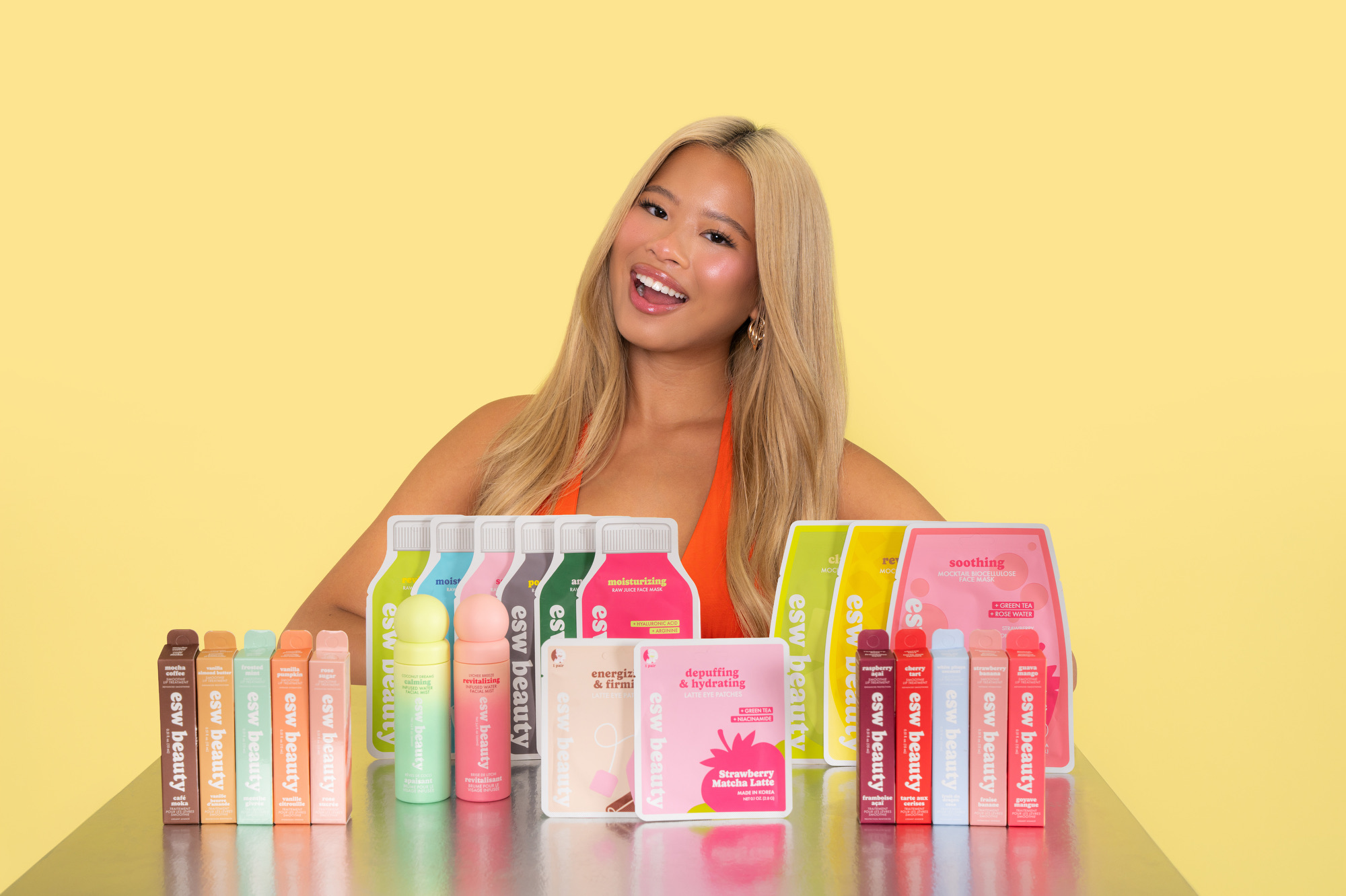
Katie Fang has spent years getting paid to recommend skin care. Late July, she took a different check: an ownership stake.
Women’s Wear Daily reported that Fang, 20, and fellow creator Aliya Rachinski, 18, became the first “creator equity partners” at ESW Beauty, a Hazlet, New Jersey clean skincare brand known for juice-themed sheet masks made in South Korea. Terms were not disclosed. Both women said it was their first time investing in a beauty brand rather than posting for a fee.
That is the kitchen-table file for Taiwanese, Chinese, Korean, and other diaspora Gen Z readers watching creator income look like a career. A Glow Recipe kit or a Cetaphil campaign pays rent this month. Equity ties your upside, and your risk, to whether the company grows.
Fang was born in Taiwan, spent early years between Taiwan and Hong Kong, then grew up in Canada before landing at New York University’s Gallatin School. Forbes put her on the 2026 30 Under 30 Social Media list. BeautyNewsDaily puts her audience above 8 million. She has told Elite Daily that an Asian household often pushes the doctor-or-lawyer path, and that her mom researched the creator industry instead of shutting it down. Sisters helped manage early deals before United Talent Agency signed her.
ESW is not a garage startup pitching vibes. Co-founder and CEO Elina Sofia Wang, whose initials name the brand, launched in 2019 with co-founder and COO John Hu on a $25,000 bank loan after packing orders in her mother’s New Jersey K-beauty distribution company. Wang has told Business Insider the company hit about $11.4 million in 2025 revenue, sits in roughly 19,000 doors including Target and Whole Foods, and is aiming past $20 million in 2026 as it expands beyond masks into daily skincare.
Wang framed the Fang and Rachinski deals as a shift away from one-off influencer buys. In brand statements carried by BeautyNewsDaily, she said the next wave of beauty brands will be built with creators who use the products and have a real seat at the table. Fang’s quote was blunt about the difference: she liked helping build something, not only recommending it. Rachinski, who built her following on an acne and skincare journey, pointed to a women-owned brand and accessible clean formulas.
Creator equity is spreading across beauty and wellness. WWD noted Bethenny Frankel’s stake in DpHue and Alix Earle’s brand investments. Glossy has covered programs that hand equity to teen creators so their incentives match long-term sales. The glam language hides ordinary finance: illiquid shares, vesting schedules, tax paperwork when equity is compensation, and FTC-style disclosure when you own a piece of what you promote.
Do not treat an undisclosed stake as a net-worth headline. Private beauty equity does not cash out when tuition or a family remittance is due. Hybrid deals that keep a cash floor plus upside are common for a reason. If you create on the side while on a work visa, side-income and 1099 rules still apply to fees; equity adds lawyers and a CPA conversation, not a shortcut around compliance.
For readers who will never meet Wang’s cap table, the useful question is simpler. When a brand offers “partnership,” ask what you own, when it vests, what happens if you stop posting, and how much guaranteed cash still hits your account. Put that cash beside rent and family support the same way you would a bonus. Ownership is real wealth only if the company lasts and you can eventually sell or get paid from it.
Start with High-Income Asian American Money Mistakes and Side Income and 1099 Planning for Diaspora Professionals on Work Visas. Keep Bonus and Variable Pay Allocation Benchmarks for First-Gen Professionals and How to Build Generational Wealth as a Child of Immigrants next to When to Hire a CPA for Diaspora Tax Complexity and the Family Support Budget Calculator.
Related content
Guides
- The High-Income Trap: Why Upwardly Mobile Asian Professionals Still Feel Broke
- Side Income and 1099 Planning for Diaspora Professionals on Work Visas
- Bonus and Variable Pay Allocation Benchmarks for First-Gen Professionals
- How to Build Generational Wealth as a Child of Immigrants
- When to Hire a CPA for Diaspora Tax Complexity
Generational Take
Get the next Generational Take
Get our latest practical tips and takes in your inbox. No spam.