
Chinese buyers fell to third in U.S. home purchases. The kitchen-table question is who is on the deed.
NAR puts mainland, Hong Kong, and Taiwan buyers at 7,400 homes and $7.6 billion, still tops by dollars but no longer by units. For Chinese American households, the useful file is status, title, and Florida or Texas rules when parents help fund.
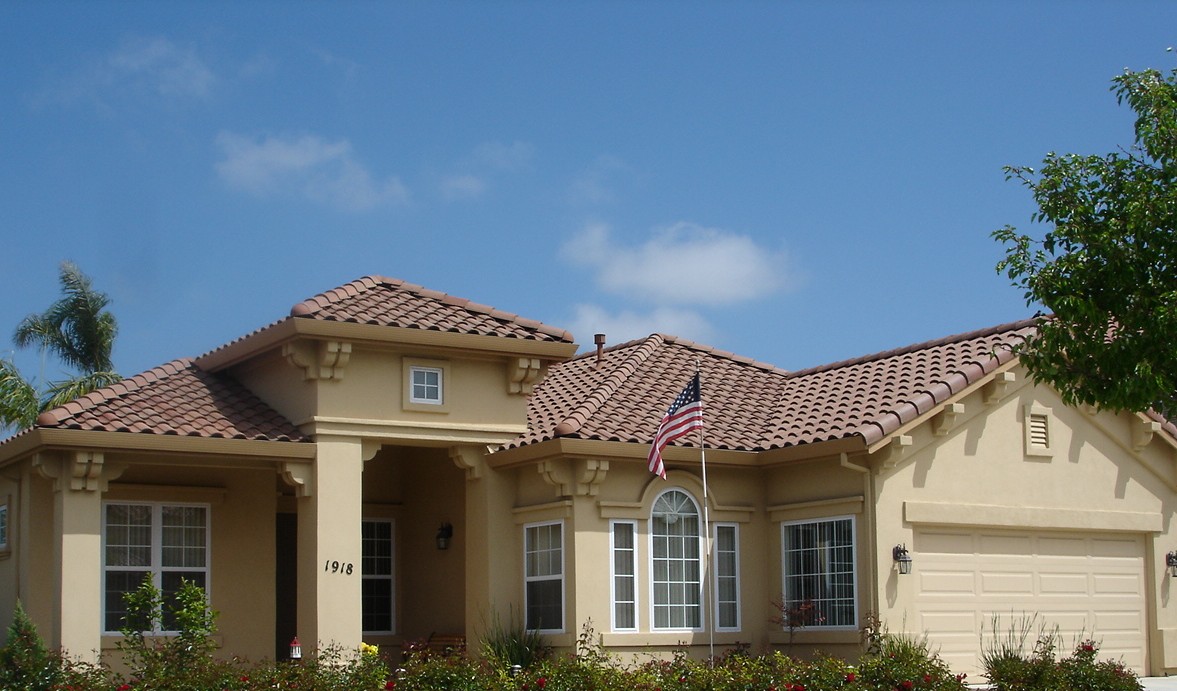
Chinese buyers are no longer the largest foreign group buying U.S. homes by unit count. They still spend the most.
That split, from the National Association of Realtors’ latest international transactions report, is the quiet math behind a louder political story. Nikkei Asia’s August 3 piece from New York tied the pullback to state laws that bar certain foreign nationals from owning property. For Chinese American and China-corridor households, the useful question is smaller and sharper: when parents help with a condo or second home, whose name is on the deed, and in which state?
NAR covers purchases from April 2025 through March 2026. Buyers from mainland China, Hong Kong, and Taiwan closed about 7,400 existing homes, 11 percent of foreign purchases. That put the group third behind Canada and Mexico. A year earlier, the same bucket led the ranking.
Dollar volume tells a different dinner-table story. Those buyers still accounted for $7.6 billion, the most of any origin group, at roughly $1 million a home on average. That is down hard from $13.7 billion in the prior twelve months. They are buying fewer doors, and still often expensive California ones.
Across all foreign buyers, the market cooled. International clients bought 67,100 homes for $45.3 billion, down 14 percent in units and about 19 percent in dollars, the second-lowest unit count since NAR started tracking in 2009. Lawrence Yun, NAR’s chief economist, said the slide mirrors fewer international visitors. A slightly weaker dollar did not pull more shoppers back.
Florida still drew the biggest share of foreign buyers overall, at 20 percent. California followed at 19 percent, then Texas at 12 percent. Realtor.com’s write-up of the same report said about 38 percent of Chinese foreign buyers landed in California, and 44 percent used the home as a primary residence. Plenty of those purchases are people trying to live somewhere, not only absentee capital parking.
State laws are rewriting who can even try. Florida’s Senate Bill 264, in force since July 2023, restricts “foreign principals,” including people domiciled in China who are not U.S. citizens or lawful permanent residents, from buying Florida real property, with a narrow residential exception.
Texas Senate Bill 17, effective September 1, 2025, blocks designated-country buyers, China among them, from acquiring real property, with carve-outs for citizens, green-card holders, and some homestead paths. Indiana’s SEA 256, effective July 1, 2026, expands similar foreign-adversary limits into residential and commercial deals.
California has not passed a matching residential China ban. An agricultural-land bill failed in committee this spring. That geographic split matters for San Gabriel Valley, South Bay, and Orange County households who still treat California as the default map while a sibling eyes Florida sun or a Texas job offer.
Here is the kitchen-table hinge most wire stories skip. U.S. citizens and green-card holders are usually outside these “foreign principal” definitions. The NAR foreign-buyer series itself counts noncitizens, recent immigrants, and visa holders, not every Chinese American family with a mortgage. Your cousin with a passport and a W-2 is not the same file as a parent still domiciled in Shanghai who wants to co-own a Miami condo.
Parent money still shows up. Adult children hold title. Gift letters and wire trails get the underwriter through. That pattern can work when the buyer’s status clears the state rulebook. It breaks when a noncitizen parent is added to the deed in a restricted state, or when a title company asks for affidavits nobody budgeted time to understand a week before closing.
Mainland capital controls tighten the same corridor from the other side. China’s individual foreign-exchange facilitation quota is not a clean channel for overseas property. Families already stretch through Hong Kong relatives, savings already in the United States, or years of careful transfers. When U.S. states add ownership bans on top of that friction, unit counts fall even if the California homes that do close stay pricey.
Committee of 100, the Chinese American leadership group that tracks these bills, warns that the wave revives alien-land-law logic and spills stigma onto citizens who are formally exempt. That community cost is real even when your closing packet is fine. A surname on a purchase contract can still invite a harder look at the table.
None of this is a verdict that foreign buyers “ruined” housing, or that every diaspora purchase is now illegal. High prices and thin inventory still do most of the cooling NAR describes. Treat state statutes as local law, not dinner-table rumor. Status, domicile, property type, and military-buffer rules differ by bill.
If a cross-border relative is helping you buy, start with three lines on paper: who holds title, which state, and whether every person on the deed is a citizen or lawful permanent resident. Then walk the gift trail with your lender before you fall in love with a listing. Parent Down Payment Gift Playbook That Closes Clean and Gift Down Payment and Lender Paperwork for Diaspora Buyers keep the underwriting file honest. Mortgage Readiness Benchmarks With a Family Support Line and Multigenerational Housing When Parents Move In or You Move Home help when the house is also a care plan. The Family Support Budget Calculator still belongs next to the rate sheet.
Related content
Generational Take
Get the next Generational Take
Get our latest practical tips and takes in your inbox. No spam.